-
Blake.Chu sales consultant
-
Email: 113217160@qq.com
-
Phone/WeChat +86 19129108136
Can You use a Diamond Blade On a Circular Saw
Introduction
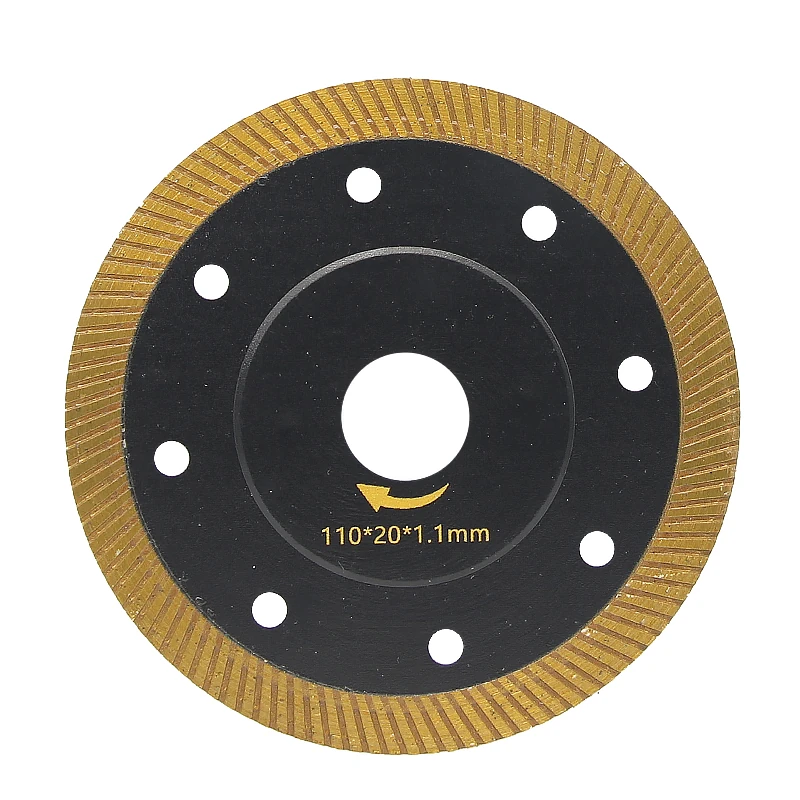
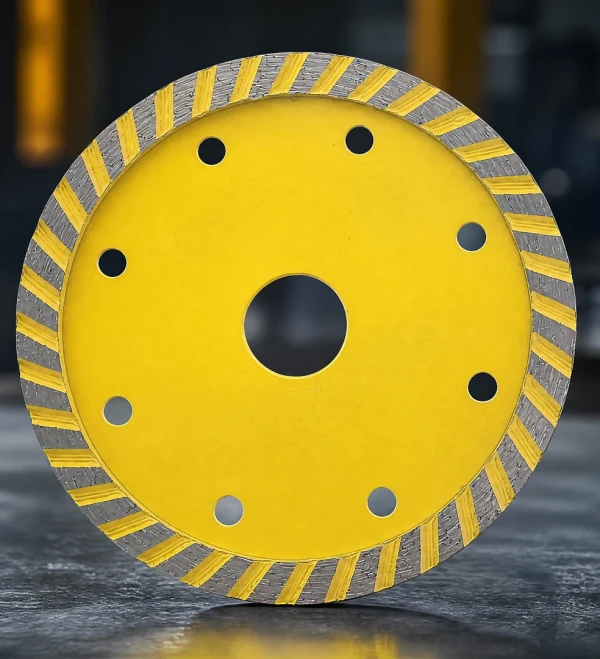
Many workers wonder: Can I put a diamond blade on a circular saw? The answer is yes. A handheld electric circular saw can work with diamond circular saw blades. You do not have to use big cutting machines only. Diamond blades have very hard cutting tips and fit hard materials well. But you must match the blade’s outer diameter, hole size and speed limit. Follow the installation rules. This article talks about blade selection, installation steps and common technical problems.
Why Use Diamond Saw Blades on a Circular Saw
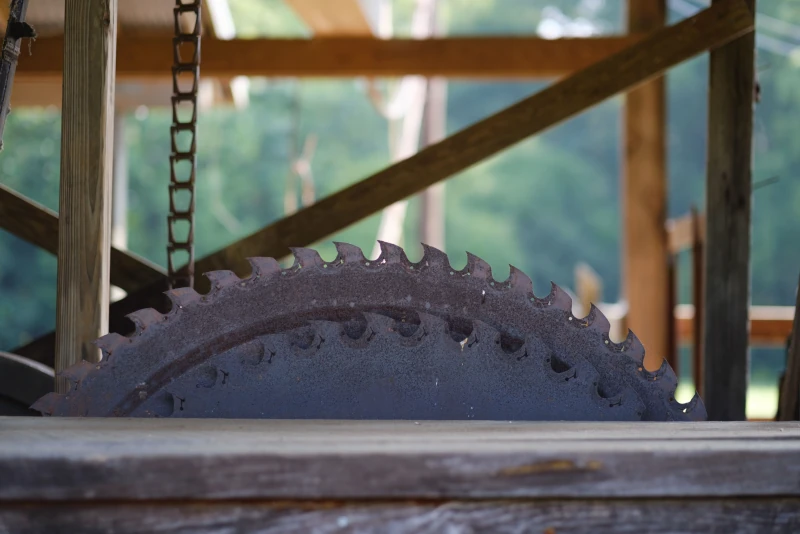
For electric circular saw work, high-speed steel blades and carbide blades only cut soft materials like wood and plastic. When they cut hard materials, their teeth wear out fast, crack or bend. Diamond circular saw blades use super-hard diamond tips. They last much longer, fit more materials and make cleaner cuts.
- Much longer service life: Diamond has very high hardness. It wears slowly. One diamond blade can last dozens of times longer than normal carbide blades. You spend less money on new blades and save time from stopping work to change blades.
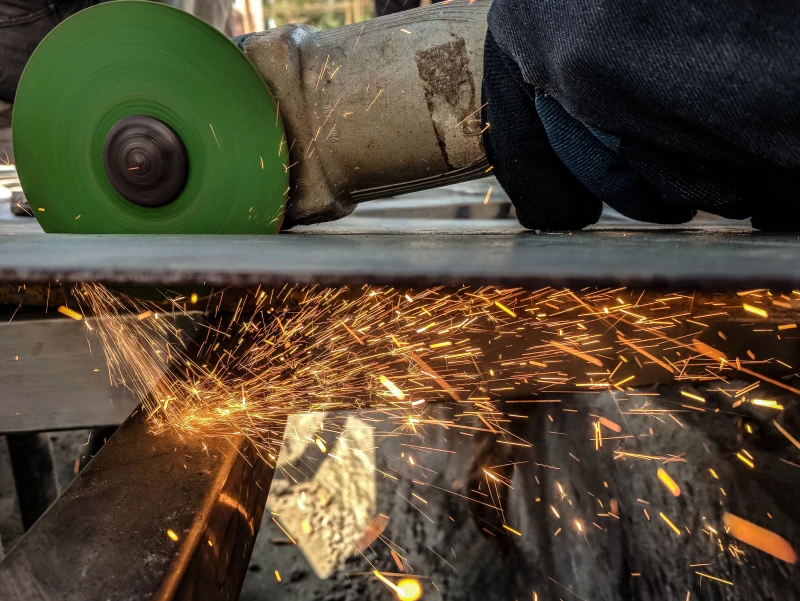
- Cut many kinds of materials: It cuts hard materials that normal blades cannot handle easily, such as concrete, asphalt, stone and metal profiles. One machine can finish different jobs.
- Make cleaner cuts: The cut surface is smooth. The material seldom breaks at the edges. There are no rough burrs. You waste less material and do not need extra polishing work after cutting.
- Work steadily: When the circular saw spins fast, the blade body does not bend easily. It rarely gets stuck during cutting. Stable, continuous work helps you finish construction faster.
Advantages of Diamond Saw Blades for Circular Saws
Normal high-speed steel or carbide blades for electric circular saws only fit soft materials like wood and plastic. When cutting hard materials, their cutting edges wear quickly, teeth break, and the blade body bends. Diamond circular saw blades use super-hard diamond tips. They have clear benefits in service life, material fit and cutting quality.
- Much longer service life: Diamond resists wear well. It can work dozens of times longer than common carbide blades. You change blades less often and reduce downtime costs.
- Cut many kinds of materials: It cuts hard materials that normal blades struggle with, including concrete, asphalt, stone and metal profiles for different construction jobs. One machine handles multiple tasks.
- Make cleaner cuts: The material rarely chips at edges. No rough burrs appear. The cut surface is flat. You lose less material and skip extra polishing work.
- Work steadily: When the circular saw spins fast, the blade body keeps its shape well. The blade does not get stuck easily as you push it forward. Stable, continuous work speeds up your site work.
Types of Diamond Saw Blades for Circular Saws
Compared with traditional high-speed steel and carbide circular saw blades, diamond circular saw blades have big technical advantages. They perform well in material quality, job fit, full-cycle cost and machine protection. They meet the requirements for high-precision and heavy-duty cutting of hard materials. They are good supplies for home renovation and industrial construction.

Material performance benefits
Diamond tips are made by sintering or brazing. Diamond has high hardness and good heat resistance. The blade resists wear, high temperature and impact. It works for both dry cutting and wet cutting with cooling water. Under high speed and high heat, the cutting edges will not turn dull easily. The diamond tips do not fall off, and the blade body will not bend from heat. It works well in different environments.
Multi-job fit benefits
The blade works for many tasks and fits common electric circular saws. It supports home renovation, building work and road repair. It cuts uniform and non-uniform hard materials such as concrete, asphalt, stone and metal profiles. It expands what your circular saw can cut.
Long-term cost benefits
A diamond blade costs more at first, but it cuts for a very long time and wears slowly. You change blades far less often. You reduce work stops and maintenance costs. If you calculate total costs over its whole life, it saves more money than normal blades. It fits heavy and frequent construction work.
Machine protection benefits
Diamond tips create less cutting resistance. Workload stays steady. It lowers the circular saw’s spindle torque and motor current. It stops the machine from overloading or overheating. It reduces wear on bearings and drive parts. Your machine runs more stably and lasts longer.
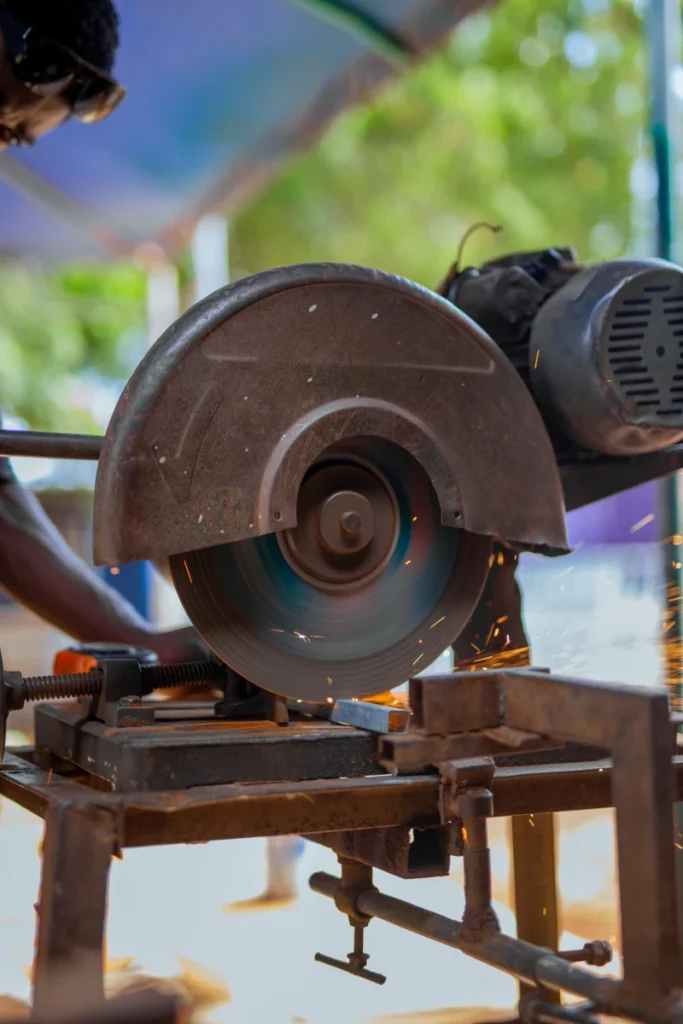
How to Pick the Right Diamond Saw Blade for Your Circular Saw
To choose the correct diamond blade for your circular saw, do not pick blades randomly. Think about your machine’s mechanical specs, the material you cut, blade quality and work conditions. This avoids bad installation, fast uneven wear and safety risks.
Match machine installation sizes
Check your circular saw’s required blade outer diameter carefully. Common sizes include 6-1/2 inches, 7-1/4 inches and 165 mm. Match the spindle hole size and installation tolerance. Wrong sizes create big gaps. The blade will not spin straight. It shakes, gets stuck and cuts crookedly. This hurts machine accuracy and safety.
Fit the material you cut
Blade tip formula and base hardness are designed for specific materials. Do not use a concrete blade to cut metal, or use a stone blade to cut asphalt. Wrong use makes edges turn dull fast, breaks diamond tips and increases cutting force. This shortens blade life greatly.
Check blade quality and speed limit
Good blades have flat bodies. Diamond tips are firmly brazed or sintered. Diamond grains are spread evenly. The blade’s maximum allowed no-load speed must be higher than your circular saw’s top working speed. Never run blades over their speed limit. High speed can crack the blade body or make diamond grains fall off.
Choose dry or wet cutting types
Dry diamond blades work outside where you have no water. Cooling air comes through blade slots. Wet diamond blades need running water. Water reduces heat wear on tips and reduces dust. Wet blades fit clean, high-precision construction work.
Steps to Install a Diamond Saw Blade on a Circular Saw
Good blade installation decides whether the blade spins straight, runs steadily and safely. Bad fitting causes shaking, shifting blades and machine vibration. Even new workers can finish proper installation with these rules.
1. Cut off power for safety
Pull out the power plug completely before you change blades. The machine cannot start by accident. This stops injuries from unexpected machine movement and meets safety rules for machine maintenance.
2. Fix the machine and lock the spindle
Place the electric circular saw flat and hold it steady. Engage the spindle lock button. The spindle cannot spin freely while you install or remove the blade. This keeps your operation safe and easy.
3. Take off the old blade and clean mounting surfaces
Use the special lock wrench to turn the spindle nut counterclockwise. Remove the old blade, pressure plate and buffer washer one by one. Clean all dust and small debris from the spindle slot and mounting surfaces. No dirt or bumps can stay here. Dirty surfaces cause uneven gaps.
4. Put the new blade in the right direction
Check the rotation mark on the blade. The blade must spin in the same direction as your circular saw cuts. Match the blade hole with the spindle carefully. Put the washer and pressure plate back. Tighten the nut by hand first to center the blade correctly. Do not install the blade crookedly.
5. Tighten the nut with proper force
Use your special tool to lock the spindle nut firmly. Remove all axial and radial gaps between parts. If the nut is loose, the blade may slide, shift or fly out when spinning fast. This creates serious safety risks.
6. Test run without load for checking
After installation, turn the machine on for a 3-to-5-second test without cutting anything. Watch the blade spin. If it does not shake, make strange noises or vibrate strongly, your installation is good. Now you can start cutting materials.
Rules to Use Diamond Saw Blades
The blade’s service life, cutting quality and safety depend on standard operation and regular care. To avoid damaged tips, bent blades, machine overload and accidents, follow work rules, speed limits and maintenance tips during construction.
Do not push the blade too hard
When cutting hard materials like concrete, stone or metal, push the saw forward at a steady speed. Let diamond grains cut the material. Do not force the saw forward or keep pushing when it gets stuck. Sudden heavy force breaks diamond tips, bends the blade body and makes the motor overheat.
Use dry or wet cutting correctly
Match your cutting method to your blade type. Wet blades must use cooling water. Water lowers heat wear on tips and reduces dust to stop heat damage. Dry blades use air cooling through slots. They need no water and fit outdoor mobile work. Never mix up dry and wet use.
Check and clean blades often
Look over the blade before and after work. Check diamond tip wear, flatness of the blade body and weld quality. Look for cracks, chips or bends. Clear dust and stuck material from blade slots. Built-up debris stops smooth cutting, causes shaking and speeds up wear.
Store blades properly
Keep diamond saw blades separately. Do not pile many blades together. Knocks and hits break diamond tips or make grains fall off. Keep the storage place dry and well-ventilated. This stops the blade body from rusting and keeps its shape and cutting performance stable.
Never exceed the speed limit
Check your circular saw’s speed and the blade’s maximum working speed before work. Do not run the blade faster than its limit. Too high speed creates huge centrifugal force. It may crack the blade body, make diamond tips fall off and throw the blade out at high speed. Match machine and blade specs for safety.
FAQ
Q1: Can I put a diamond saw blade on a circular saw?
A: Yes. Handheld circular saws and electric circular saws can use diamond saw blades if size and speed match. This is a common setup for construction.
Q2: Can any diamond saw blade fit my circular saw?
A: No. The blade must match your circular saw’s size, hole diameter and speed. You also need to pick blades for the material you cut. Blades with wrong specs cannot be used and create safety risks.
Q3: Must I use water when cutting with a diamond blade?
A: Not always. There are dry-cut and wet-cut diamond blades. Wet-cut blades need water to cool, reduce dust and stop material edges from breaking. Dry-cut blades cut without water and work where you cannot get water.
Q4: How do I know I install the blade correctly?
A: First, the blade spins in the correct direction and sits tightly on the slot. Second, the lock nut is tight with no loose gaps. Third, no shaking, strange noises or shifting during no-load spinning. If all these are true, your installation is correct.
Q5: Can I cut concrete with a circular saw fitted with a diamond blade?
A: Yes. Use a special diamond circular saw blade for concrete. It cuts concrete, cement blocks and stone efficiently. The cut surface is smooth and works much better than normal blades.
Q6: What blades work for circular saws?
A: Circular saws fit diamond blades, carbide blades and high-speed steel blades of matching sizes. Diamond blades are for hard materials such as metal, concrete and asphalt. They work for more situations.
Q7: What do diamond circular saw blades cut?
A: They mainly cut concrete, asphalt, different kinds of stone, steel and aluminum. Workers widely use them for home renovation, municipal construction and industrial repair.
Summary
In short, you can fit diamond circular saw blades on handheld electric circular saws. But you must choose blades with matching outer diameter, hole size and speed limit. Common sizes for circular saw diamond blades include 6-1/2 inches, 7-1/4 inches and 165 mm. Different blades work for concrete, asphalt, metal and other hard materials.
Compared with normal carbide blades, diamond blades resist wear, make cleaner cuts and cost less over their whole working life. Follow standard installation steps to make sure the blade spins straight. Choose dry or wet cutting properly. Keep a steady feed speed and never overload or overspeed the blade. Check blades regularly and store them well. These habits reduce tip wear and blade bending. They keep cutting work safe and stable and improve your construction efficiency.