-
Blake.Chu sales consultant
-
Email: 113217160@qq.com
-
Phone/WeChat +86 19129108136

How to Sharpen Diamond Saw Blade: Step-by-Step Guide
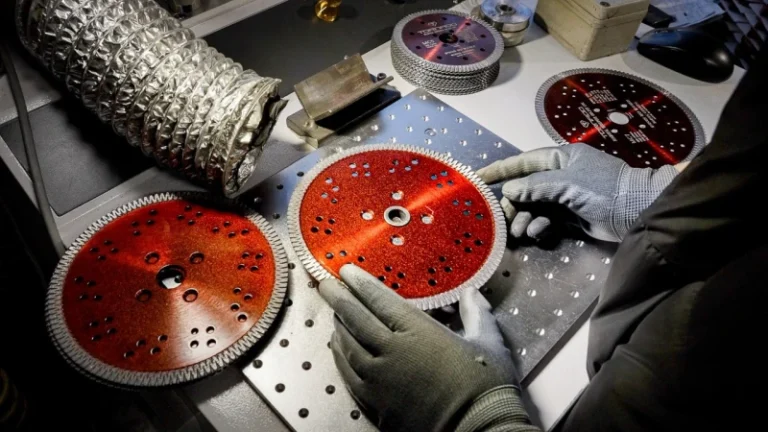
1. Why You Need to Dress Your Diamond Blade Regularly
A diamond blade uses diamond grains held by a metal bond to grind hard materials. When you cut stone, tile or concrete for a long time, the blade easily gets glazed and dull.
The metal bond on the surface becomes smooth and covers diamond grains. As a result, new sharp cutting edges cannot show up, so the blade cuts much slower. If you skip dressing, cutting gets stuck, workpieces chip or burn. Higher cutting resistance overheats the machine and wears out the blade base and equipment.
Regular dressing removes the glazed layer and exposes new diamond grains. It keeps cutting accurate and fast, lowers replacement costs and reduces machine breakdowns. This key maintenance step effectively extends your blade’s service life.
2. Understand Blade Dulling and Glazing (Why Blades Go Dull)
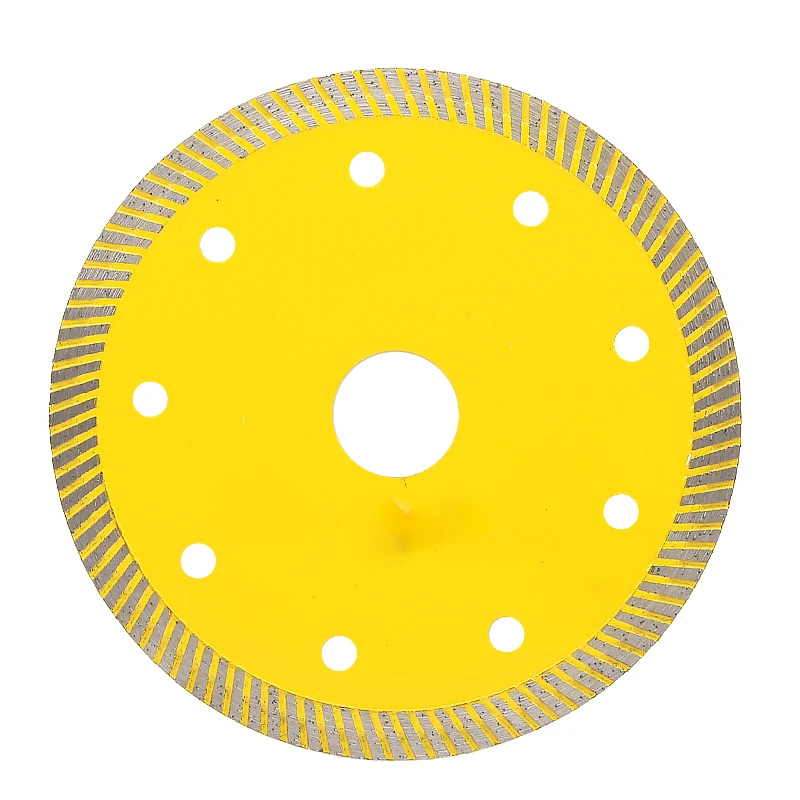
Diamond blades do not turn dull mainly because diamond grains wear away. Instead, the primary causes are glazing and dulling. A metal bond holds diamond grains, and these tiny sharp grain edges undertake the core grinding work for various materials. When you cut hard stone, tile or concrete continuously, friction heat polishes the surface bond into a shiny mirror finish. It covers diamond edges completely so grains cannot perform cutting functions, a phenomenon defined as blade glazing.
At the same time, stone dust and mud fill gaps between grains and cause clogging dullness, which further weakens grinding performance. If the bond wears at an improper speed and diamonds cannot stick out normally, grains will fail completely. Consequently, the blade cuts slowly, slips violently, shakes heavily and leaves burn edges on workpieces. Learning about glazing and dulling helps you dress blades correctly, pick the right bond and reasonably control wet or dry cutting processes.
3. Clear Signs That Your Diamond Blade Needs Dressing
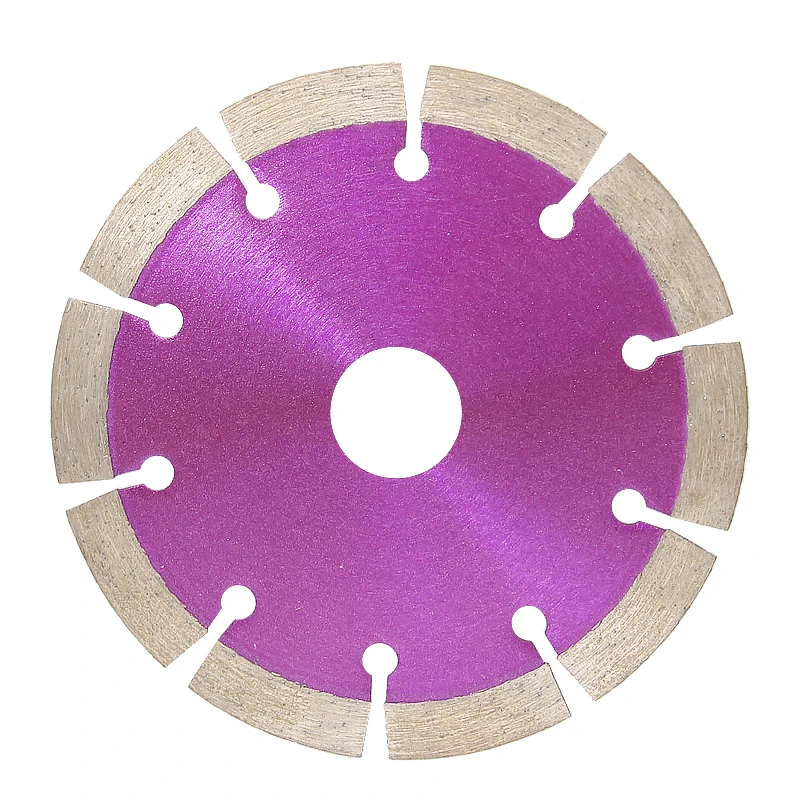
When your diamond blade becomes glazed and dull, you can spot multiple obvious signs in daily operation. Timely dressing can avoid defective workpieces and irreversible machine damage.
First, cutting power drops and pushing resistance increases significantly. Under identical working settings, cutting speed decreases obviously. The blade slips frequently and deviates from the preset cut line; it rubs materials instead of grinding, indicating invalid diamond grain protrusion.
Second, workpieces suffer more processing defects. Brittle materials like porcelain and quartzite chip easily, and black burn marks appear on cut lines due to excessive accumulated friction heat.
Third, the machine operates abnormally, producing a high-pitched sharp noise with intensified vibration. Meanwhile, motor load and electric current rise for extra cutting resistance.
Fourth, visual inspection after cooling works well: shiny and mirror-like metal bond means glazing, while mud and stone dust clogging segment gaps leads to clogging dullness.
Note: Only glazing and clogging can be fixed by dressing. If segments fall off or the blade base cracks, do not dress and replace the blade immediately.
4. Main Purpose of Diamond Blade Dressing: Get Clean Cuts Again
Dressing a diamond blade removes the glazed outer layer and clears trapped dust residues. It exposes tiny sharp diamond edges and maintains a standard grain protrusion height, which fully restores the blade’s original grinding ability. When the metal bond covers diamond grains, the blade only rubs and slips during operation, causing common chipping and burn mark defects. Standard dressing ensures straight cuts and improves workpiece surface quality. Furthermore, it reduces cutting resistance, motor load and friction heat, effectively preventing blade warping and secondary glazing. Proper dressing realizes uniform segment wear, extends blade service life, cuts tool supply costs and stabilizes overall processing conditions.
5. How to Pick Tools for Diamond Blade Dressing (Dressing Stones & Supplies)
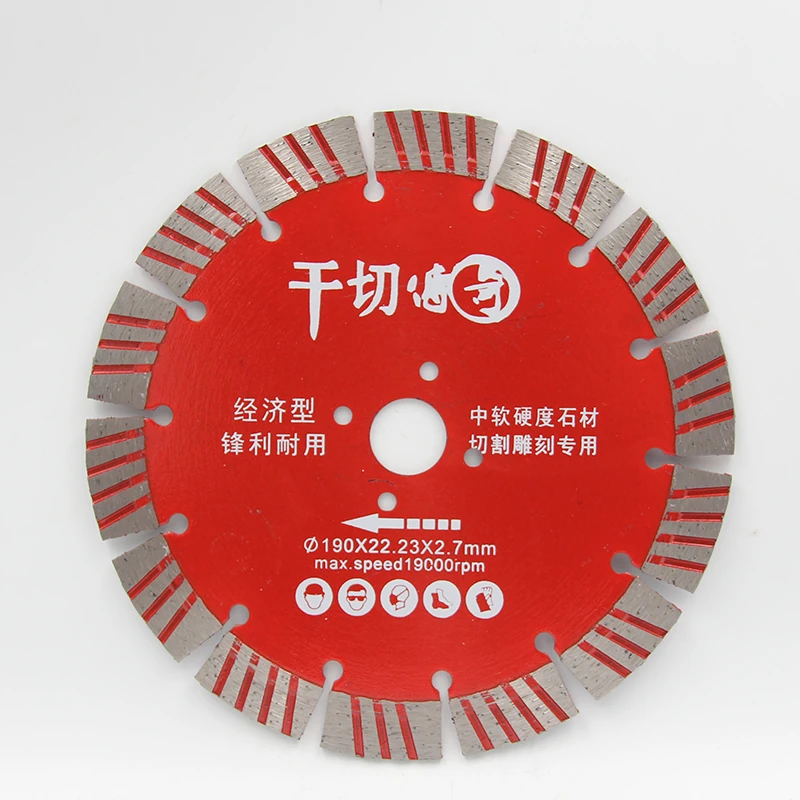
The core of tool selection is matching the blade’s metal bond to avoid excessive material removal and diamond grain damage. A 60-grit diamond dressing stone serves as the optimal daily tool. Its uniform grit evenly removes blade glazed layers and precisely controls diamond grain protrusion, perfectly fitting wet tile saws and continuous rim blades for routine dressing. Silicon carbide blocks feature strong cutting force, suitable for rapid glaze removal of segmented stone and concrete blades with light operating pressure.
Cinder blocks are only for emergency fixes and not for daily use, as uneven grit causes unbalanced segment wear. Besides basic tools, safety glasses and gloves are essential PPE, and wet cutting requires stable circulating water. To prevent premature grain falling off, use fine-grain stones for soft-bond blades and coarse-grain stones for hard-bond blades.
6. Standard Step-by-Step Guide to Dress a Diamond Blade
6.1 Wear Safety Gear and Check for Blade Damage
Put on safety glasses, gloves and hearing protection before operation. Unplug the machine and wait for the blade to stop completely and cool down fully. Clean mud and dust off blade segments, and distinguish between superficial glazing and structural damage. If segments fall off, the base cracks or the rim is worn too thin, dressing is prohibited and blade replacement is required.
6.2 Check Blade Type, Bond and Cutting Material
Confirm the blade style, including continuous rim, segmented or turbo types, and identify its metal bond attribute. Different processing materials lead to different glazing rates. Accordingly, tile, granite and concrete blades require different dressing strength and cutting passes. Set operating parameters accurately to avoid insufficient or excessive dressing.
6.3 Get Your Dressing Tools and Supplies Ready
Prepare the core 60-grit diamond dressing stone and cooling water for wet cutting, and wear complete safety gear. Reserve silicon carbide blocks only as emergency backups. Inspect all tools for intact performance, and clamp the dressing stone firmly to prevent displacement during operation.
6.4 Set Up Saw, Work Table and Cooling System
Power off the saw and clean the work table and flanges thoroughly. Calibrate the fence to ensure right-angle precision, check the blade rotation direction and fasten the locking nut. For wet saws, adjust the water system to ensure uniform water supply on both blade sides. For dry cutting machines, arrange frequent intermittent cooling to lower temperature and avoid thermal deformation.
6.5 Match Saw and Blade, Choose the Right Dressing Method (Avoid Common Mistakes)
Adopt short-pass dressing with diamond dressing stones for wet tile saws. For segmented blades, cut off the power and tap segment tops lightly with a serrated flat file to remove surface glaze. Cinder blocks are limited to emergency use, while rough bricks are forbidden for regular dressing. Most importantly, avoid over-dressing to prevent irreversible blade damage.
6.6 Standard Dressing Steps: Cut Path, Pressure and Even Full-Rim Work
Adopt a shallow and light cutting mode, letting the blade contact the dressing stone gently. Complete 3 to 10 stable short passes, and let the blade finish cutting independently without forced pressing or motor stalling. Slightly adjust the dressing stone position after each pass to ensure full and uniform contact of the entire blade rim, so as to remove the glazed layer evenly.
6.7 Test Cut and Visual Inspection to Check Sharpness
After finishing dressing, perform trial cutting with waste materials of the same type. Power off the equipment and flush residual mud clean. Visually inspect blade segments to confirm evenly exposed diamond grains and no residual mirror glaze on the bond surface. Observe cutting speed, operating vibration and workpiece chipping conditions. If the cutting performance is still poor, repeat a small number of light dressing passes.
6.8 Adjust Speed, Feed and Water to Stop New Glazing
Run the saw at rated speed and maintain stable and uniform material feeding. For wet cutting, keep continuous water supply at the cutting front to form protective milky slurry, avoiding slow feeding or insufficient water supply that triggers re-glazing. For dry cutting, adopt segmented short cutting and idle cooling frequently, and do not keep the blade fixed at the cutting point for a long time.
7. When to Replace Your Blade Instead of Dressing
Blade dressing only repairs superficial faults such as glazing and clogging, and cannot fix permanent structural damage. You must replace the blade immediately once the following problems occur, as invalid dressing wastes cost and brings major safety hazards.
First, damaged segments: fallen, chipped or fully worn flat segments mean exhausted diamond grains, and dressing cannot restore cutting performance, while flying broken segments may cause personal injury during high-speed rotation.
Second, base structural damage: blade base cracks, bending, out-of-round arbor holes or persistent shaking after flange cleaning belong to irreversible damage, and such blades must be scrapped.
Third, failed bond: if cutting efficiency and surface quality fail to improve after 3-10 standard dressing operations and parameter optimization, the metal bond is worn out or mismatched with processing materials, making dressing ineffective.
Fourth, damaged mounting parts: deformed or worn flanges cannot clamp the blade stably, causing high-speed shaking. Replace damaged accessories or blades in time.
Important warning: Never dress structurally damaged blades, as they may burst at high speed and cause serious accidents.
8. Product Parameter & Application Scenario Table
8.1 Diamond Saw Blade Standard Parameter Reference
| Parameter Item | Standard Specification |
|---|---|
| Common Blade Diameter | 105mm / 110mm / 125mm |
| Standard Aperture | 20mm |
| Conventional Segment Height | 10mm – 15mm |
| Blade Thickness Range | 1.1mm – 1.8mm |
| Recommended Dressing Tool | 60-grit diamond dressing stone |
| Dressing Pass Times | 3 – 10 short light passes |
8.2 Blade Application Scenarios
| Blade Type | Applicable Materials | Working Scenarios |
|---|---|---|
| Ceramic & Tile Blade | Ceramics, porcelain, quartzite, microcrystalline stone | Home renovation, tile laying, stone fine processing |
| Concrete & Wall Cutting Blade | Concrete, cement wall, red brick, stone | Wall slotting, construction renovation, concrete cutting |
| Universal Stone Blade | Granite, marble, common building stone | Engineering construction, stone processing factory |
9. FAQ
Q1: Can I dress a diamond blade by hand at home?
A: Yes. But only perform hand dressing on glazed and dull blades. Power off the equipment completely before operation, and use a flat file or dressing stone. Never dress blades with structural damage.
Q2: How do I quickly tell if a diamond blade is dull?
A: You can judge through visual inspection and operating status. Shiny glazed bond surfaces, slow cutting speed, increased feeding resistance, workpiece chipping and burn marks, as well as abnormal machine vibration and noise all indicate a dull blade.
Q3: Should I use water or oil for my diamond dressing stone?
A: Water dressing is the standard choice. Flowing water removes cutting dust and cools the blade to prevent secondary glazing. Oil dressing is only for ordinary knives and not compatible with diamond blade wet saws, which will cause mud accumulation and affect blade performance.
Q4: What is the best tool to dress a diamond blade?
A: A 60-grit diamond dressing stone is the top choice. It evenly removes blade glazed layers and stably controls diamond grain protrusion height for standardized dressing results.
Q5: Why is maintenance important for diamond tile blades?
A: Regular maintenance reduces tile chipping and burn defects, lowers motor operating load, delays blade glazing failure and effectively improves finished product quality and processing efficiency.
Q6: How do I clean a diamond tile blade?
A: Rinse mud and dust on blade segments with clean water, and dry the blade base thoroughly. Do not use strong corrosive chemicals, which will damage the metal bond and cause premature diamond grain falling off.
Q7: Why does my diamond blade turn dull so often?
A: Frequent dulling is mainly caused by insufficient cooling, improper feeding speed, or mismatched bond and processing materials, which accelerate blade glazing and clogging dullness.
Q8: How can I quickly get cutting performance back for a dull diamond blade?
A: Conduct shallow standard dressing with a diamond dressing stone, and optimize equipment speed, feeding rate and cooling water flow. Replace the blade directly if it has structural damage.
Q9: What is the right way to store a diamond tile blade?
A: Clean and fully dry the blade before storage. Place blades flat or hang them up with spacers between each blade. Store blades in a cool and dry environment to protect the cutting rim from collision and damage.