-
Blake.Chu sales consultant
-
Email: 113217160@qq.com
-
Phone/WeChat +86 19129108136
Fiber Cement Saw Blade with Polycrystalline Diamond Tips?
1. Introduction to PCD Fiber Cement Saw Blade
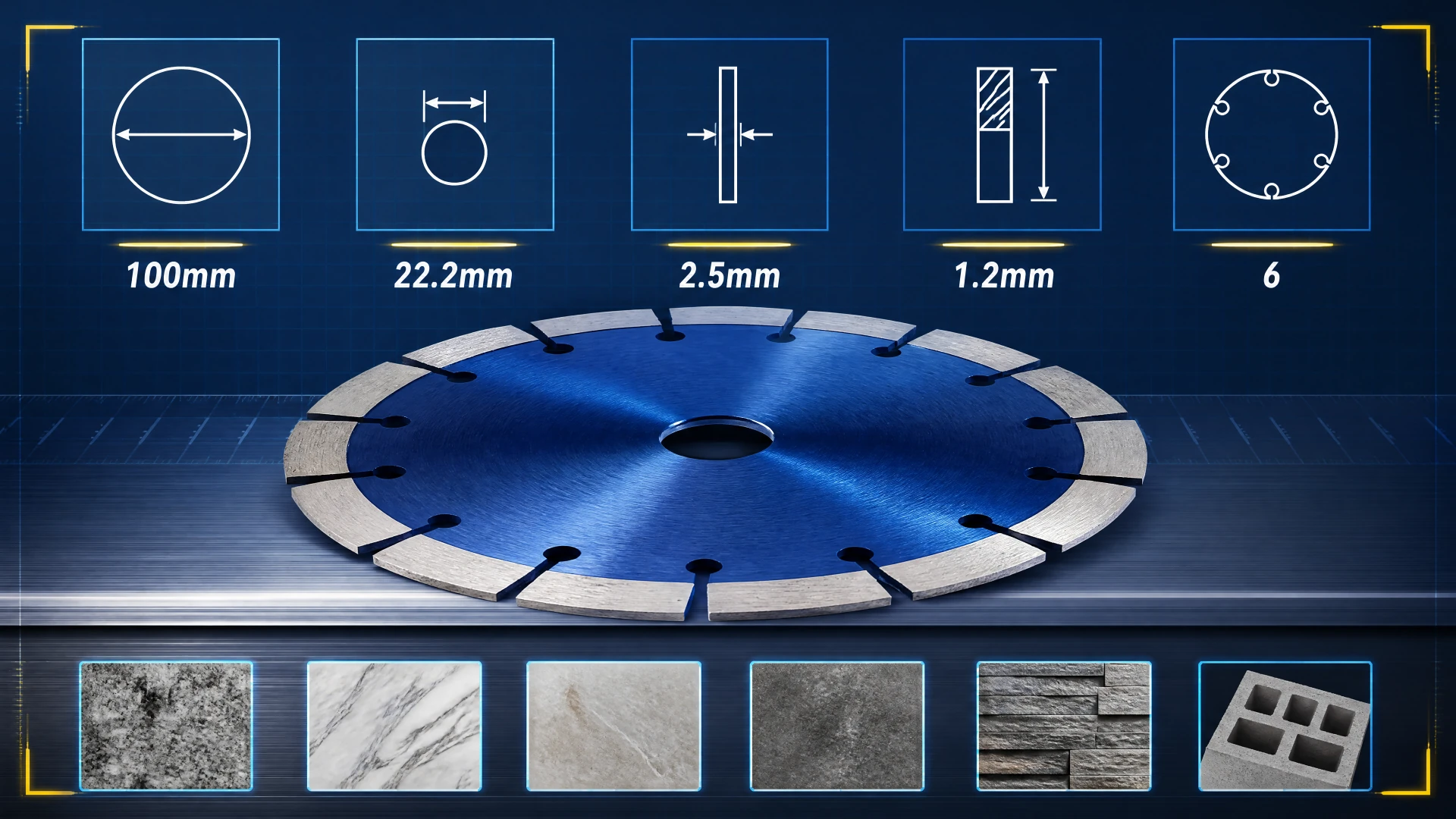
A PCD fiber cement saw blade, also called a fiber cement saw blade with polycrystalline diamond tips, is a professional diamond saw blade. Engineers build it for highly abrasive building panels. It works well with handheld circular saws, table saws and other tools. The popular 7‑1/4 inch (714) fiber cement saw blade is the top choice for contractors and DIY users.
This saw blade uses polycrystalline diamond (PCD) tips. It is different from fiber cement saw blades with tungsten carbide tips. You can use it to cut fiber cement boards, Hardie siding, calcium silicate boards and other hard panels full of silica. Normal carbide saw blades get dull quickly from cement and silica dust after cutting just a few boards. PCD polycrystalline diamond tips have extreme hardness. They resist continuous wear from cement dust and keep sharp edges. This greatly extends the blade’s service life.
As a fiber cement blade for table saws, the PCD fiber cement saw blade balances cutting speed, cut quality and durability. Building contractors use it for large exterior wall jobs and renovation projects. DIY home users can also cut panels with it. It uses a low-tooth trapezoid tooth design. This design lowers cutting resistance and reduces panel chipping. It creates finer dust and reduces construction dust. You can reliably cut fiber cement exterior panels, cement backer boards and calcium silicate decorative boards. It is the best cutting tool for fiber cement materials.
2. What is a Polycrystalline Diamond (PCD) Tip?
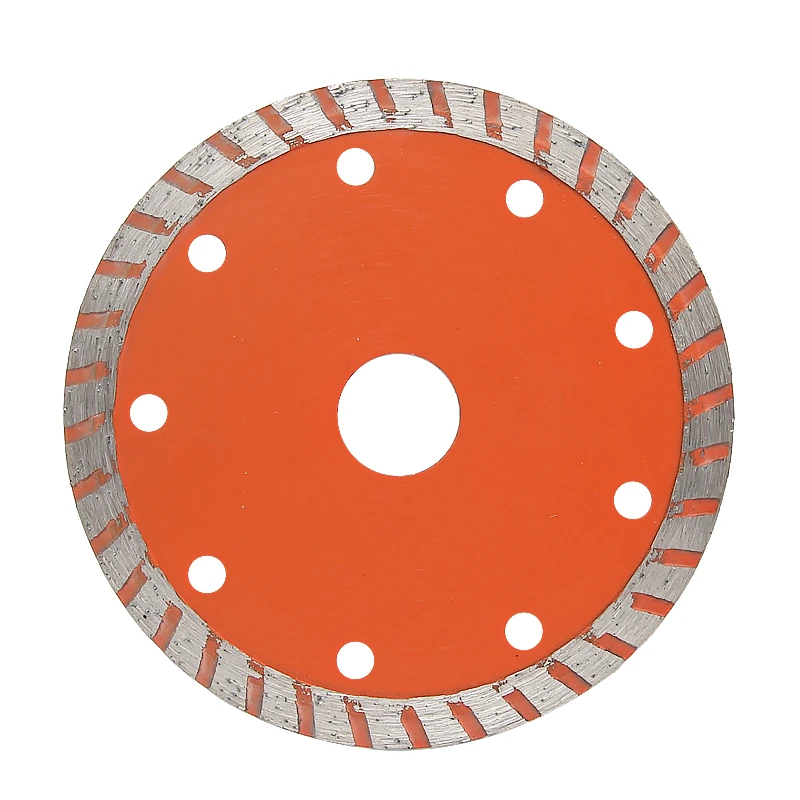
Workers make polycrystalline diamond (PCD) tips with a high temperature and high pressure sintering process. They are superhard composite cutting tools. Each tip combines a PCD cutting layer and a WC-Co carbide base. They belong to high-end superhard cutting tools. They have high hardness, strong wear resistance, low friction coefficient and high thermal conductivity. People use them to cut non-ferrous metals, highly abrasive non-metals and composite materials. They solve common problems of traditional carbide tools: fast wear and poor stability during high-volume, high-precision cutting.
2.1 Material Properties of PCD Tips
PCD is an isotropic superhard polycrystalline material. Manufacturers sinter tiny diamond powder with metal binders. Diamond grains lock together to form a tight self-locking structure. This is different from natural single-crystal diamond, which has anisotropic traits. Its Vickers hardness reaches HV 8000–10000. Its wear resistance is 50 to 100 times better than standard carbide. It keeps complete cutting edges for a long time. Its low friction stops built-up edge. High thermal conductivity lowers heat in the cutting zone and prevents workpiece thermal deformation. However, PCD has low fracture toughness and weak impact resistance. It also has carbon affinity, so you cannot use it to cut iron-based ferrous metals.
2.2 Structure Principle of PCD Tips
PCD tips have a two-layer composite structure. The top 0.5–2.0 mm layer is the PCD working layer and does all cutting work. The bottom carbide base adds rigid support. The isotropic polycrystalline structure prevents directional wear and edge chipping. You can grind sharp, precise cutting edges for fine cutting. The carbide base has high toughness and good weldability. It compensates for PCD’s brittleness, improves the tip’s overall strength and makes assembly easier. It keeps stable continuous cutting.
2.3 Main Differences Between PCD Tips and Normal Carbide Tips
Normal carbide tips are homogeneous metal-ceramic tools. Their hardness only reaches HV 1500–2200. They do not resist wear well, but they have high fracture toughness and strong impact resistance. They handle heavy, interrupted rough cuts on steel and cast iron. They work for many tasks and cost little. PCD is a superhard composite tool. It is extremely wear-resistant and creates excellent surface finish. It works for mass fine cutting of aluminum, copper, carbon fiber, stone and engineered wood. PCD tools cost more at first, but they last far longer than carbide tools. They reduce blade changes and machine downtime. They offer better total cost for automated mass production.
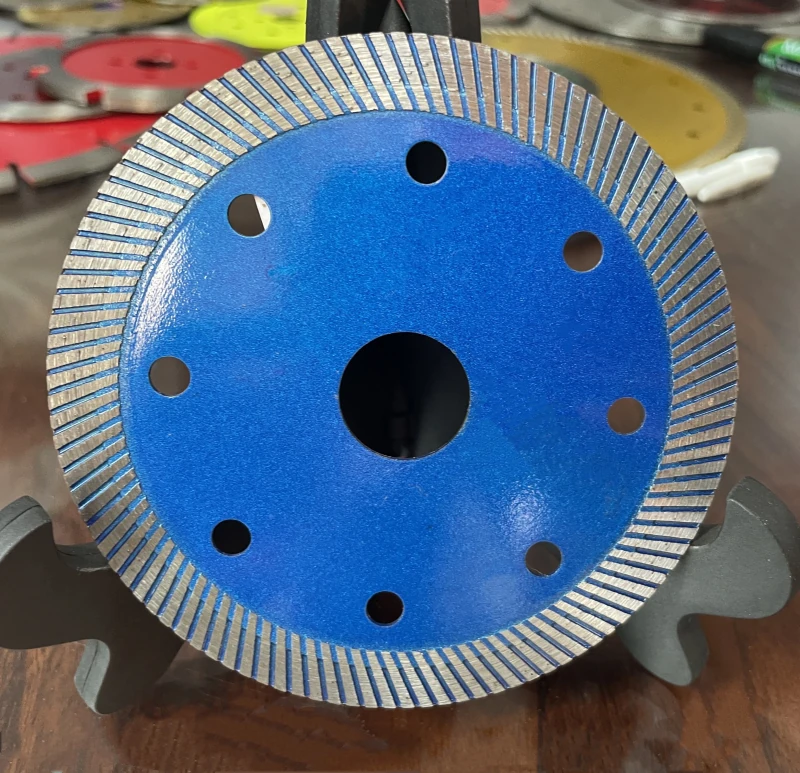
3.Why Choose PCD (Polycrystalline Diamond) Tips to Cut Fiber Cement Board?
Workers press fiber cement boards from cement, cellulose fiber and mineral fillers. These strong building boards contain quartz sand and hard mineral powder. They are highly abrasive hard-to-cut composite materials. Normal WC-Co carbide tips wear down from hard particles. You will see dull edges, tooth chipping, heat burns, wide kerfs, heavy dust and layered rough cuts. Cutting becomes unstable and slow. PCD polycrystalline diamond tips use superhard material and isotropic structure. They fit fiber cement cutting perfectly and are the top choice for precise mass processing.
3.1 Great Wear Resistance Extends Tool Service Life
Hard fiber fillers wear down normal carbide tools quickly and bring frequent stops for blade swaps. PCD tips have Vickers hardness above HV 8000. Their dense interlocked polycrystalline structure resists abrasion from hard particles in boards. The cutting edges stay sharp and complete. They prevent edge and tooth breakage. You change blades much less and reduce machine downtime for continuous mass production. To better grasp blade durability standards, you can learn about diamond saw blade service life for professional reference.
3.2 High Thermal Conductivity Creates Cold Cuts and Prevents Heat Damage
Fiber cement boards are heat-sensitive. High heat causes carbonization, delamination and cracks. PCD material has a low friction coefficient and high thermal conductivity. Compared with carbide tools, it cuts with less friction and moves heat away from the cutting zone fast. It creates stable cold cutting. It stops burned edges, dark marks and fiber aging on boards. It improves cut surface quality and product yield.
3.3 Narrow Kerf Cutting Reduces Raw Material Waste
Normal carbide tips wear and deform easily. They leave wide kerfs and large dimensional errors, which waste raw materials. You can grind ultra-thin sharp edges on PCD tips. The edges resist wear and shape change. They create precise narrow kerfs. They cut away less material. Boards maintain consistent sizes and you save raw material costs for mass production.
3.4 Shear Cutting Reduces Cutting Dust
Normal tools cut by squeezing and tearing. They rip board fibers and make lots of fine dust and burrs. PCD tips stay very sharp and use clean shear cutting. They cut board fibers and hard powder evenly. This reduces fine dust at its source and improves workshop conditions. It also leaves fewer burrs. You skip later sanding steps and simplify work.
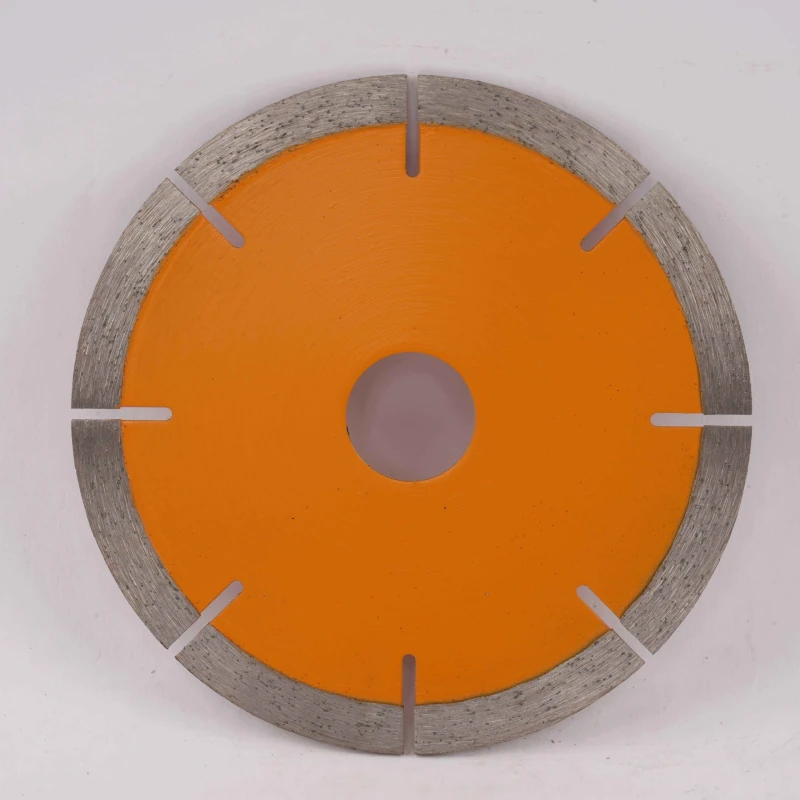
4. PCD Saw Blade vs Carbide Saw Blade Parameter Comparison
People use PCD (polycrystalline diamond) saw blades and traditional carbide (tungsten carbide) saw blades widely to cut fiber cement boards, engineered wood, non-ferrous metals and composite materials. The two blade types differ greatly in material structure, physical performance, cutting behavior, service life and suitable jobs. We use this parameter table to show their strengths, weaknesses and selection rules clearly. It helps you pick blades for different mass production cutting tasks.
We compare key production factors: material hardness, wear resistance, cutting temperature, cutting accuracy, service life, total cost and suitable materials. The table shows their use cases and cost performance.
| Comparison Item | PCD Polycrystalline Diamond Saw Blade | Carbide (Tungsten Carbide) Saw Blade |
|---|---|---|
| Core Material & Structure | Two-layer composite: polycrystalline diamond + carbide base; self-locking isotropic polycrystalline material | Homogeneous WC-Co tungsten carbide material; sintered as one piece, no composite layer |
| Vickers Hardness | HV 8000–10000, superhard grade | HV 1500–2200, medium-hard grade |
| Wear Resistance | Extremely strong; 50–100 times better than carbide. No obvious dulling after long cutting | Average. Edges dull, wear or chip fast when cutting highly abrasive materials |
| Cutting Temperature Control | High thermal conductivity, low friction coefficient. Cold cutting; no burned edges or carbonization | Average thermal conductivity, high friction. Heat builds up during continuous cutting; easy to burn or split boards |
| Cutting Accuracy & Kerf | Can grind ultra-thin edges. Narrow kerf, stable size tolerance, smooth cuts with few burrs | Thick original edges. Kerfs widen as it wears. Large dimensional errors; cuts easily chip or turn rough |
| Tool Service Life | Very long life. Fits large continuous production; much longer time between blade swaps | Short life. Needs frequent stops for sharpening or replacement; poor work continuity |
| One-time Purchase Cost | High upfront price | Low entry price |
| Total Operating Cost | Good value. Less downtime, blade swaps and material waste. Lower total cost for mass production | High hidden cost. Frequent maintenance and material waste; uneconomical for long mass production |
| Suitable Materials | Focus on abrasive materials: fiber cement board, calcium silicate board, stone, carbon fiber, aluminum alloy, high-density engineered wood | Wide application: steel, cast iron and other ferrous metals, ordinary wood, plastic. Not good for mass cutting of abrasive boards |
| Working Condition Fit | Fits automated, large-volume, high-precision continuous fine cutting | Fits small-batch, interrupted cutting, heavy rough cutting and general common cutting |
In short, tungsten carbide saw blades work for many jobs, cost little and resist impact well. They fit normal general cutting work. PCD saw blades deliver super wear resistance, cool precise cuts and low waste. They work best for mass production of hard abrasive fiber cement boards. They are the top choice for high-efficiency, high-precision industrial cutting.
5. Fiber Cement Saw Blade Size and Arbor Hole Parameter Table
Fiber cement saw blades are special heavy-duty cutting tools for abrasive fiber cement boards, calcium silicate boards and exterior wall panels. Different outer diameters, arbor holes and tooth shapes fit circular saws, table saws, miter saws and other machines. The 7‑1/4 inch (714) fiber cement saw blade is the most common and widely used model. It fits most handheld power tools and small stationary cutting machines. This table lists common fiber cement saw blade sizes, arbor holes, tooth shapes and matching machines. It supports product selection, machine installation and bulk purchasing.
| Saw Blade Size | Outer Diameter | Arbor Hole | Tooth Count | Blade Thickness | Matching Machines | Application Notes |
|---|---|---|---|---|---|---|
| 7‑1/4 inch (714 Main Model) | 185 mm | 20 mm (standard) /16 mm (with reducer bushing) | 24T /30T flat teeth | 1.8–2.2 mm | Handheld circular saw, portable table saw, miter saw | The 714 fiber cement saw blade works for most cases. PCD superhard teeth are made for cement boards. It cuts cool, creates little dust and resists wear. It handles large on-site construction cuts and is the main blade for fiber cement processing. |
| 8 inch | 200 mm | 25.4 mm | 32T flat teeth | 2.2–2.4 mm | Small table saw, miter saw | Good for small precise cuts and short fixed-length cuts. More stable for small-batch fine cutting. |
| 9 inch | 230 mm | 25.4 mm | 36T flat teeth | 2.4–2.6 mm | Medium table saw, standing miter saw | Deeper cutting depth. Fits thick fiber cement boards and multi-layer composite panels. |
| 10 inch | 255 mm | 25.4 mm /30 mm | 40T flat teeth | 2.6–2.8 mm | Industrial table saw, large miter saw | Industrial mass production model. Cuts wide panels into strips efficiently. |
5.1 Key Spec Notes (7‑1/4 inch /714)
The 714 fiber cement saw blade optimizes for handheld work and small machines. Its 185 mm outer diameter meets normal cutting depth needs for fiber cement boards. The standard 20 mm arbor hole fits most circular saws, table saws and miter saws. You add a reducer bushing to fit 16 mm arbor machines, so it works with most equipment. This model uses PCD polycrystalline diamond flat teeth, different from alternating teeth on wood or metal saw blades. It reduces chipping, fraying and delamination on cement boards. It creates low-dust cold cuts. Its teeth wear much slower than carbide saw blades. It is perfect for large fiber cement cutting tasks on building sites.
5.2 Selection Tips
Fiber cement boards wear tools heavily. You must use a special PCD flat-tooth saw blade. Do not substitute wood saw blades or metal saw blades. Choose the common 7‑1/4 inch (714) model for most construction jobs. Use larger industrial blades for mass fine cutting. Match the arbor hole size and reducer bushings to your machine to keep safe and precise cutting. For targeted blade selection guidance, you can refer to diamond saw blade selection guidelines.
6. FAQ
Q1: What blade cuts fiber cement?
A: Choose PCD polycrystalline diamond blades first. They resist heavy abrasion from quartz fillers within boards and perform better than WC-Co carbide blades.
Q2: Which saw blade works best for fiber cement?
A: Use a PCD flat-tooth special saw blade. The 7‑1/4 inch (714) fiber cement saw blade fits circular saws, table saws and miter saws.
Q3: Can diamond blades cut Hardie board?
A: Yes. PCD blades work with Hardie fiber cement boards. They resist wear and create stable clean cuts.
Q4: Can diamond blades cut cement?
A: They fit fiber cement boards. Solid concrete carries heavy impact load and chips PCD teeth easily. Use sintered diamond saw blades for solid concrete. You can browse professionalconcrete cutting blades for heavy-duty concrete processing.
Q5: Can I cut wood with a PCD saw blade after cutting fiber cement?
A: It works in theory, but we do not recommend mixing uses. Cement residue scratches wood and shortens blade service life.
Q6: Can I use negative hook angle PCD saw blades on trim saws?
A: Yes, when the size and rotational speed match your machine. Negative hook angles lower cutting impact and reduce board chipping.
Q7: How do I clean a PCD saw blade?
A: Unplug your machine and remove the blade. Use a soft brush and neutral cleaner to remove deposits from tooth gaps. Never grind the PCD cutting edges. Professional diamond blade cleaning methods can extend blade usability effectively.