-
Blake.Chu sales consultant
-
Email: 113217160@qq.com
-
Phone/WeChat +86 19129108136
Diamond Saw Blade: Speed Calculation Guide
1. The key importance of choosing the right speed for diamond saw blades
In diamond sawing, speed decides the cutting speed at the blade’s edge. It is a key setting to balance cutting precision, blade life and workplace safety, and it must match your working conditions. With proper speed, diamond grains work in the best state. You get clean cuts, fewer chipped edges and tiny cracks. The diamond grains will not fall off easily, so the blade lasts longer.
Different materials, material thicknesses, rough cutting and finish cutting need different edge speed values. There is no fixed RPM for all jobs. Wrong speed causes many problems. Too high speed creates heavy cutting heat. It burns workpieces and makes the blade vibrate. Too low speed increases cutting resistance. The cut surface becomes rough and the machine runs under heavy load. Running over the maximum allowed speed may break the blade.
So choosing the correct speed helps keep good product quality, control production costs and meet EHS safety rules.
2. Basic rules and key definitions of saw cutting speed
Spindle speed and blade edge cutting speed are two core settings for sawing. They change how cutting works, how fast the blade wears, how smooth the cut surface is and how stable the machine runs. This part explains speed features of cutting machines, the rule of steady edge speed and basic definitions.
2.1 Speed differences among different cutting tools
Different saw machines have different speed stability because of their drive systems, power output and control modes. Hand-held cutters run fast with low torque and weak structure. Their speed drops easily under load and the speed changes a lot. They are only fit for simple cutting tasks. Table-mounted precision saws use strong drive parts and steady torque. Their speed barely drops. They can keep stable cutting for mass, precise production. CNC automatic saws use frequency conversion speed control and load adaptive systems. They adjust spindle speed in real time based on cutting force and material thickness. They repeat the same cutting results well and support continuous high-precision production.
2.2 Core rule: keep steady cutting speed at the blade edge
The most important rule for sawing is to keep the blade edge’s cutting speed steady. Cut quality and blade wear do not depend only on spindle RPM. They mainly depend on the edge’s instant cutting speed. When you change blade size, workpiece material or cutting depth, adjust spindle speed to keep edge speed inside the best range for that material. Steady edge speed controls cutting heat, stops grain chipping and blade vibration. It makes the cut surface smooth and keeps cutting stable.
2.3 Definition and working logic of blade edge cutting speed
Blade edge cutting speed means the instant circumferential speed of the outermost diamond grains when the blade spins. It measures how strong the cutting action is. The common formula is:
$$V=\frac{\pi D N}{60000}$$
If blade size stays the same, edge speed rises when spindle speed rises. If spindle speed stays the same, edge speed rises when the blade gets larger. In real work, use the material’s safe cutting speed to calculate the best spindle speed. This keeps the whole cutting system in a good range for low wear, straight cuts and stable work.
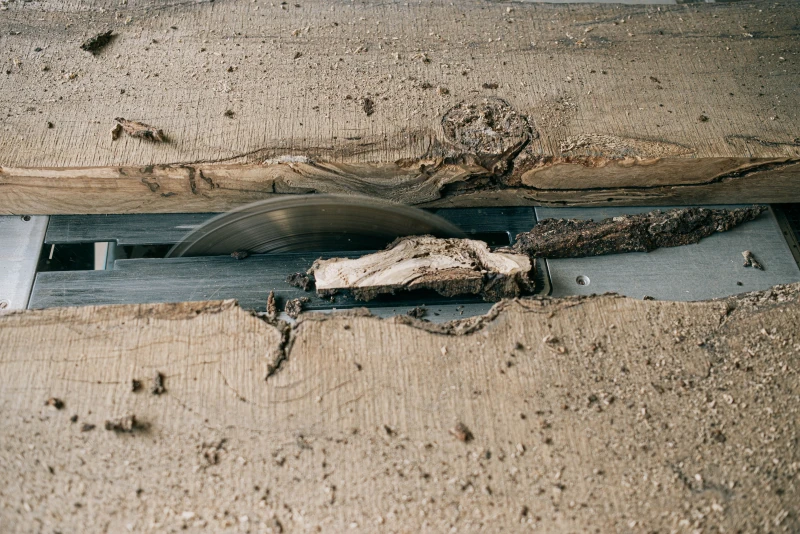
3.Main factors that affect diamond saw blade speed
Diamond saw blade speed is controlled by blade size, workpiece material, blade geometry and cutting fluid. It changes how diamond grains cut, how sharp the grains stay, cutting heat and surface quality. Good speed helps you cut precisely with less blade wear.
3.1 Links between blade diameter, cutting speed and spindle speed
Based on circumferential cutting rules, blade size, edge speed and spindle speed follow the steady edge speed rule. Blade diameter and spindle speed work in opposite ways. A large blade has a big turning radius. At the same RPM, its edge speed gets too high. High speed overheats diamond grains, weakens the metal bond and makes grains fall off, so we use lower RPM. A small blade has low base edge speed, so we raise RPM to avoid poor cutting and rough marks. Spindle speed and feed speed must balance. Too low speed with heavy feed makes each diamond grain cut too deep and break. Too high speed with slow feed causes idle rubbing and heat that burns the workpiece.
3.2 How workpiece material changes speed choice
Material hardness, brittleness, toughness and thermal conductivity set the safe speed range. Hard and brittle materials like granite or ceramic crack easily under impact. Use medium-low speed to lower force on each grain and stop edge chipping. Aluminum, resin and soft flexible materials easily stick to the blade. Use medium-high speed to cut material fibers cleanly and clear cut waste. Harder and more brittle materials need a narrower speed range, and you must control speed more carefully.
3.3 Speed requirements for diamond blade geometry
Blade head shape, diamond grain settings and tooth slots set the speed limit. Thick blade heads touch more material, create more friction and heat, so use lower speed to stop bond failure. Thin blade heads cut with less resistance and can run faster for high efficiency. Big, high-protruding diamond grains have more space for cut waste and handle impact well; they fit medium-high speed. Fine grains are for smooth finishing and only work well at medium or low speed. Blades with many small slots cannot release heat and waste easily, so slow them down. Blades with few wide slots clear waste better and work across a wider speed range.
3.4 Matching speed with surface smoothness and cutting fluid
Spindle speed connects closely with surface roughness and cutting fluid. Within the safe range, properly higher speed reduces the depth each grain cuts. It lessens scratches and makes the surface smoother. If speed is too high, vibration and heat wear the grains. This creates wave marks and burn marks on the workpiece. Cutting fluid cools, lubricates, removes waste and reduces vibration. For heavy-load low-speed cutting, it mainly reduces friction and grain wear. For light-load high-speed cutting, it removes heat fast to stop diamond grain overheating and blade bending. Good matching of speed and cutting fluid improves cut quality and blade life.
4.Cutting defects and workpiece damage from wrong speed
If spindle speed does not match cutting conditions, blade specs or material, cutting becomes unbalanced. Extra heat and impact force cause poor workpiece quality and fast blade damage. This raises defect rates and shortens machine life.
4.1 Surface and precision problems from wrong speed
Wrong speed changes how diamond grains cut and creates many defects. At too low speed, edge speed is not enough. Each grain cuts too deep. It squeezes instead of slicing the material. This causes chipped corners, torn surfaces and rough lines. Brittle materials get hidden tiny cracks. Straightness and flatness go out of tolerance, so the workpiece fails size checks. At too high speed, heat builds up in the cutting zone. It burns and changes the workpiece’s color, cracks glazed layers and bends the material. High speed causes blade vibration, making wave marks and rough surfaces. This creates many defective parts in mass production.
4.2 Blade damage and machine faults from mismatched speed
Bad speed settings make diamond blades fail early and break machines. At low speed with heavy load, grains face huge squeeze and impact force. Grains crack and fall out. Long heavy load bends the blade and makes it swing from side to side, leading to wandering cuts and noise. At too high speed, high heat makes diamond grains lose cutting ability. The metal bond softens, so many grains fall off. Strong centrifugal force shakes the blade and causes resonance. In serious cases, the blade cracks and breaks. Wrong speed also overloads the motor and wears machine transmission parts.
5.Diamond Saw Blade RPM Calculator: Professional Calculation Methods and Rated Standards
We calculate diamond blade speed using mechanics models, steady edge speed rules, machine transmission data and safety limits. This keeps cutting steady, controls precision and sets standard process values.
5.1 Full explanation of the standard cutting speed formula
The industry uses this circumferential cutting formula:
$$V=\frac{\pi D N}{60000$$
V = edge cutting speed; D = blade outer diameter; N = spindle speed (RPM). This formula shows the link between blade size, spindle speed and edge speed. It supports the steady edge speed rule. You can calculate real cutting speed, or work out the required spindle speed from target edge speed. This stops bad results from guessing speed.
5.2 Practical spindle speed calculation for machines
For field setup, rearrange the formula to get spindle speed:
$$N=\frac{60000V}{\pi D}$$
First pick the target edge speed for your material. Plug in the blade’s real size to get the theoretical speed. Then adjust for power loss and speed drop under load to fix errors from belt slip or torque loss. Frequency-controlled machines can lock the calculated speed. Fixed-speed machines use the closest speed gear and adjust feed speed together to keep cutting stable.
5.3 How to use the table of blade diameter, edge speed and spindle speed
Parameter tables help workers set speed quickly. They list matched speed values for different blade sizes. Use the table like this: find your blade size on rows, pick the edge speed for your material on columns, then check if it stays under the machine’s speed limit. Table values are for no-load conditions. When cutting heavy material, add 5%–10% speed compensation to offset speed drop under load.
5.4 Rules for maximum safe rated speed of saw blades
Manufacturers set the maximum safe rated speed by testing blade body tensile strength, bond strength and blade structure. It is a strict safety limit. Working speed must stay below this rated value. Never run the blade over this limit. Large thin blades need extra safety margin. Blades that bend, swing or are worn need lower working speed to avoid tearing, grain loss and resonance.
6.Standard speed and accurate speed selection for different working conditions
We choose diamond blade speed by combining blade specs, material properties, machine stiffness and cutting conditions. We follow the steady edge speed rule to avoid vibration, burn marks, tiny cracks and fast grain wear. It supports high-precision, low-wear standard cutting.
6.1 Official recommended standard working parameters for diamond saw blades
Industry standards take blade edge speed as the main index, with a common range of 18–35 m/s.
| Material Type | Recommended Edge Speed | Notes |
|---|---|---|
| Hard brittle materials (stone, ceramic, concrete) | 18–25 m/s | Low speed, lower impact force to stop cracks and chipping |
| Aluminum and other non-ferrous metals | 25–35 m/s | Medium-high speed, prevent material sticking on grains |
| Artificial boards and composites | 28–38 m/s | High edge speed, remove cut waste fast and create smooth cuts |
Follow the rule: large blade → lower speed; small blade → higher speed. Working speed must stay below the blade’s safe rated speed.
6.2 Match the best speed based on material, working condition and machine
We match speed in three ways: material, task and machine. For hard, low-heat brittle materials, use steady medium-low speed to reduce compressive force. For tough materials, use medium-high speed to improve cut surface quality. For rough cutting with deep cuts, slow down to protect diamond grains from breaking. For fine finishing cuts, raise speed properly to reduce cut depth per grain and lower surface roughness. Rigid CNC machines can use the standard values directly. Weak hand-held cutters lose speed and vibrate under load, so reduce speed by 5%–10% to keep cutting stable.
7.Fine speed adjustment and cost-saving skills for sawing
Fine speed adjustment balances spindle speed, feed rate and machine state. It stabilizes cutting and controls production cost. It is an important optimization method for mass standard production.
7.1 Balance speed, feed rate and machine parameters
Sawing follows the balance rule of speed-feed-load. Under steady edge speed, raise feed when you raise speed. If not, grains rub empty, heat builds up and the metal bond gets tired. If you lower speed, also lower feed. Or each grain cuts too deep, causing vibration and broken grains. Adjust for machine spindle stiffness, torque and speed drop to keep the cutting zone stable.
7.2 Practical skills to control production cost by optimizing speed
Good speed control cuts tool cost, energy cost and rework cost. Proper edge speed slows grain overheating and wear, so blades last longer. Stable cutting reduces chipping, cracks and thermal deformation, cutting waste and rework. Proper speed also eases machine load, reduces wear on transmission parts and cuts motor power use.
7.3 Speed matching and process adjustment for many working scenarios
Use targeted speed for different jobs. Use low steady speed for hard brittle materials to reduce stress and cracks. Use medium-high speed for tough materials to stop sticking and improve surface smoothness. Slow down for deep cuts on thick material. Raise speed for fine shallow cuts. This fits all cutting tasks and balances stability, productivity and cost.
8.Safety rules for diamond saw blade speed
High spinning speed creates centrifugal force and impact force. Controlling speed is critical for safe work. This part defines the rated speed limit and lists forbidden actions and standard operating rules.
8.1 Maximum safe rated speed limit of saw blades
Manufacturers test blade strength to set this limit. It depends on blade body tensile strength, bond holding power and blade structure. Leave 8%–15% safety margin for real work. Large thin blades, bent or swinging blades need even lower speed to avoid resonance, blade tearing and grains flying off.
8.2 Banned actions and operating rules for over-speed running
Running over rated speed is very dangerous. Too much centrifugal force can break the blade and throw sharp pieces. Never test at over speed with no load, and never run a damaged blade at high speed. Start at low idle speed. Check for noise, shaking and swing before raising to working speed. Set the variable-frequency machine’s speed upper limit to block over-speed and keep work safe.
9.FAQ
Q1: What is the recommended standard speed for diamond saw blades?
A: We use blade edge cutting speed as the standard. Brittle materials:18–25 m/s. Non-ferrous metals:25–35 m/s. Follow the rule: large blade, lower speed.
Q2: How to calculate edge cutting speed from RPM?
A: Formula: V=πDN/60000. D = blade outer diameter, N = spindle RPM.
Q3: What speed range fits gem cutting blades?
A: Highly brittle gems use edge speed of 10–18 m/s. It lowers impact force and stops tiny cracks.
Q4: How to calculate blade edge cutting speed accurately?
A: Use the effective blade diameter. Add 5%–10% compensation for heavy cutting to make up for speed drop under load.