-
Blake.Chu sales consultant
-
Email: 113217160@qq.com
-
Phone/WeChat +86 19129108136
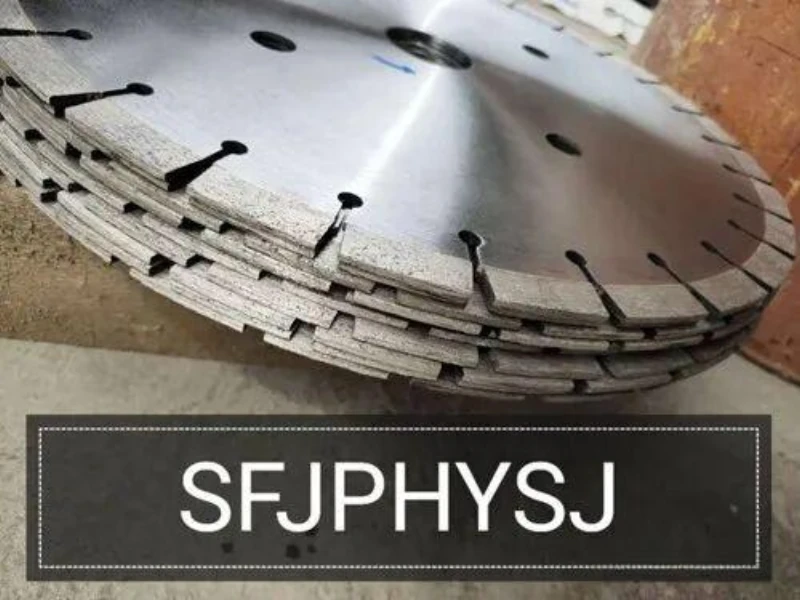
How do they make diamond saw blades
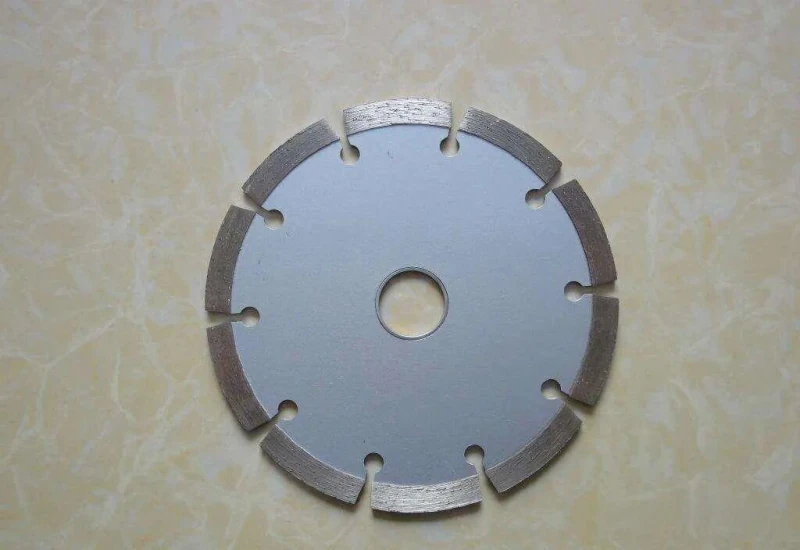
A diamond saw blade is a cutting tool widely used for processing hard and brittle materials such as stone and ceramics. Factories use it often for industrial processing work. It features high hardness, sharp cutting performance and long service life, which makes it essential in construction and material processing industries. Today we will share how to produce high-quality diamond saw blades with stable performance and excellent cutting effects.
Choose High-Performance Diamond Grains
We select stable, coarse diamond grains with great heat resistance. A diamond tool fixes diamond particles and metal matrix onto a base body under special production conditions. The diamond grains cut and grind different stone materials. Therefore, the quality, grain size and concentration of raw diamond grains decide the performance of diamond tools.
Improve the Matrix’s Holding Power on Diamond Grains
During operation, if the metal matrix of blade segments firmly holds diamond grains, diamonds can stick out properly without falling off early. The blade stays sharp and works efficiently. We have two practical solutions. First, coat diamond surfaces with strong carbide-forming metals such as titanium, chromium, and nickel. This strengthens the bond between diamond and matrix powder. It also stops diamonds from being oxidized or turning into graphite during high-temperature sintering. Second, add small amounts of carbide-forming powder including molybdenum, chromium and tungsten into matrix powder. These powders easily stick to diamond surfaces. They form carbide alloys between diamonds and metal matrix after sintering. Strong chemical and metal bonding greatly improves the matrix’s ability to lock diamond grains.
Optimize Diamond Grain Size Matching
In traditional ways, workers use more coarse diamond grains for sharper cutting, and fine grains for other needs. This method cannot reach the best working efficiency. Diamond is very hard and stiff. It hardly deforms under high temperature. Suitable grain matching raises the packing density of diamond particles before sintering and improves the service life of cutting segments. Repeated tests prove that blade segments mixed with coarse, medium-coarse and fine diamond grains get the best result. The optimal ratio is 1 : 0.0227 : 0.071.
Apply Ultra-Fine Powder and Pre-Alloyed Powder
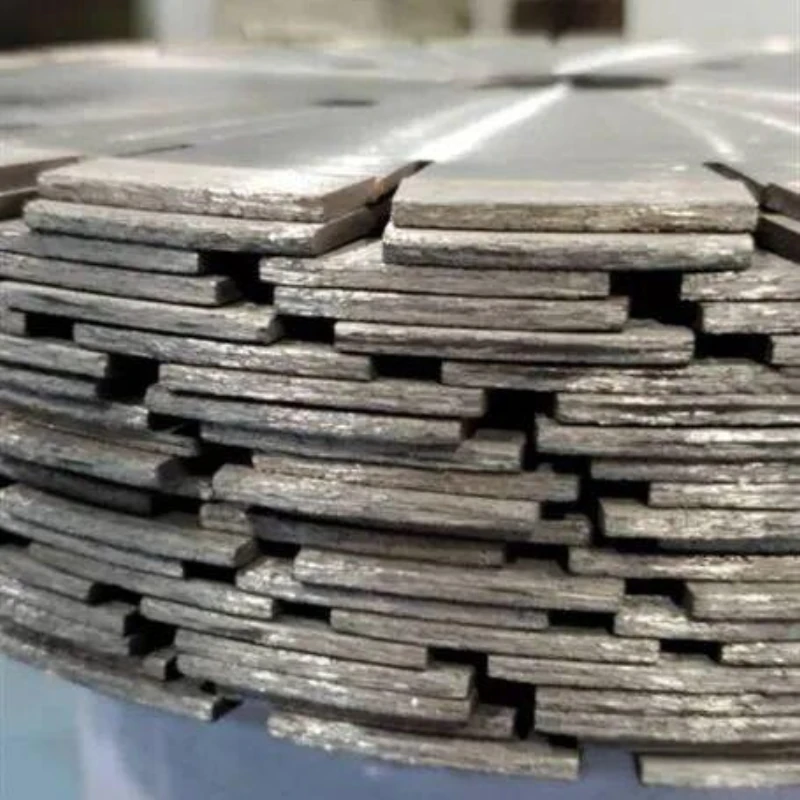
Ultra-fine powder lowers sintering temperature and increases matrix hardness. Pre-alloyed powder mixes evenly in three dimensions. It shortens the contact time between powder and air. It prevents low-melting metal from flowing out or uneven distribution. It makes sintered parts stronger and helps the matrix hold diamond grains better.
Add Proper Rare Earth Elements
Put suitable rare earth elements like lanthanum and cerium into matrix powder. These special chemical elements can optimize the internal structure of the metal bond and reduce unnecessary material loss during high-speed cutting. They clearly adjust the wear feature of bonding metal and greatly improve the cutting speed of diamond saw blades for various stone processing projects. Meanwhile, they also enhance the overall stability and durability of the saw blade, letting the tool work more smoothly and steadily in long-time continuous operation.
Adopt Cold Pressing and Hot Sintering Technology
We use cold pressing followed by hot sintering under vacuum protection atmosphere. Segments made with this method stay sharp during cutting and greatly raise production efficiency. Vacuum sintering stops powder oxidation and supports active sintering. It improves segment performance, extends graphite mold service life and cuts production costs.
Use Standard Welding Methods
Most circular diamond saw blades use high-frequency welding machines. Poor welding easily causes overheating damage to cutting segments and makes segments fall off. It brings safety risks and delays production. Manufacturers should use high-strength silver brazing sheets with good penetration for welding work.
Conclusion
Many key factors work together to make reliable diamond saw blades. Manufacturers need to select high-quality diamond grains and boost the matrix’s holding force on diamonds. Optimized grain matching, proper powder materials and rare earth additives also greatly improve blade performance. Besides, standardized cold pressing, sintering and welding processes help avoid defects. If factories strictly follow these methods, they can produce sharp, long-lasting and safe high-quality diamond saw blades for cutting stone, ceramics and other hard brittle materials.