-
Blake.Chu sales consultant
-
Email: 113217160@qq.com
-
Phone/WeChat +86 19129108136
What is a Turbo Rim Type Diamond Saw Blade
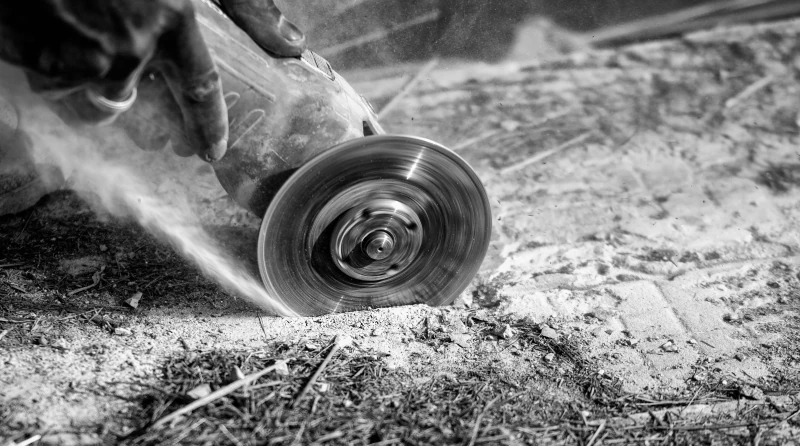
What is a Diamond Saw Blade
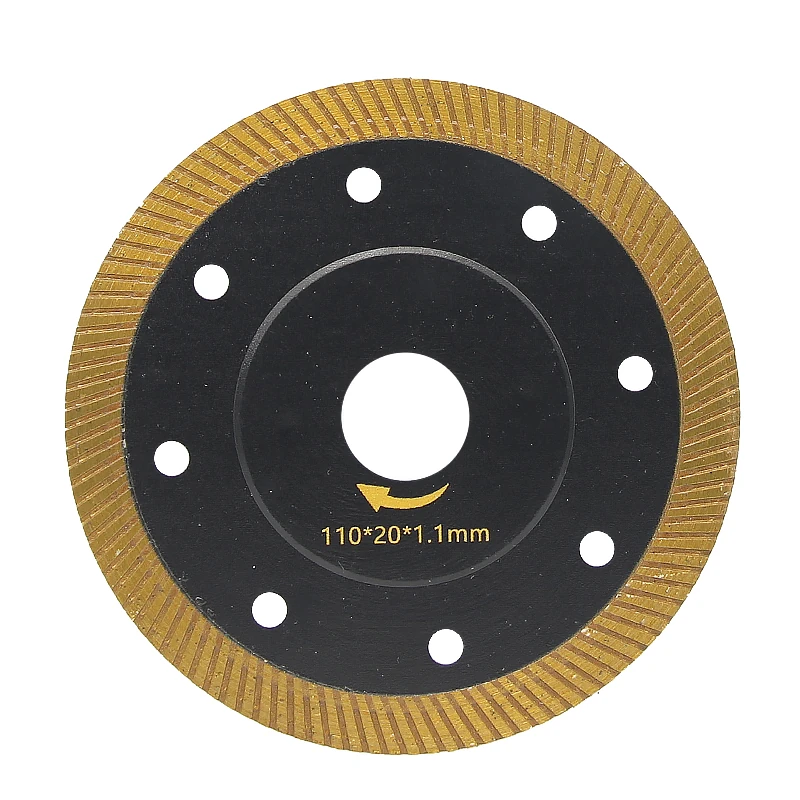
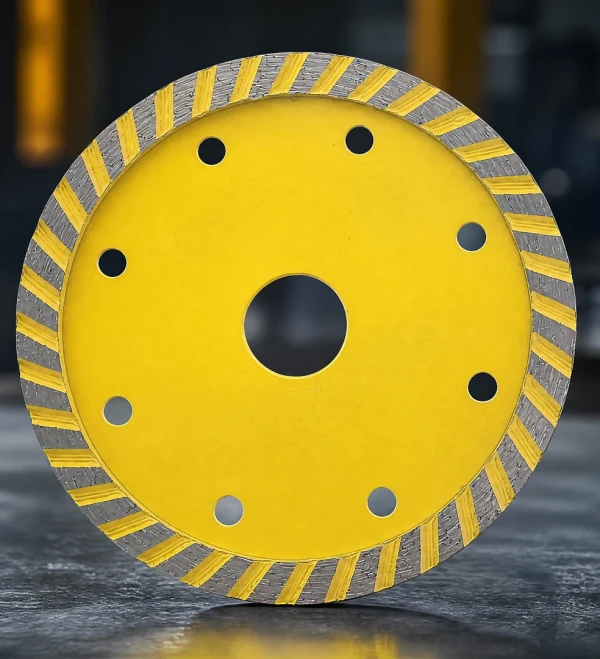
A Turbine‑tooth diamond saw blade is a superhard abrasive cutting tool which uses artificial diamond abrasive as grinding units and is sintered and compounded with metal matrix and metal‑bonded segments. It is widely used in stone, building materials and hardware processing industries.
Different from the mechanical cutting mechanism of ordinary steel saw blades, this saw blade relies on the extremely high microhardness of diamond and the unique structure of turbine teeth to achieve efficient grinding and removal of brittle and difficult‑to‑machine substrates such as stone, concrete and ceramics. It has the characteristics of high machining accuracy, smooth kerf, long service life, strong substrate adaptability and balanced cutting efficiency. It is a key superhard tool with a wide range of adaptation scenarios in the fields of industrial manufacturing, home improvement and infrastructure engineering.
Three Mainstream Rims of Diamond Saw Blades
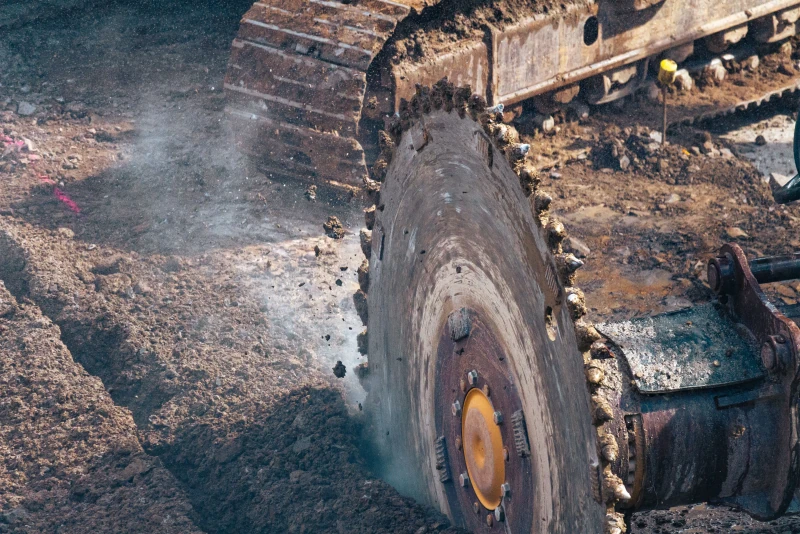
Three mainstream rims of diamond saw blades: segmented rim, continuous rim and turbine rim. The rim of a diamond saw blade determines the cutting accuracy, heat dissipation effect and applicable conditions. The mainstream types are divided into segmented‑rim diamond saw blade, continuous‑rim diamond blade for ceramics and turbine‑rim blade. The following six dimensions are horizontally compared from rim style, cutting speed, cutting performance, applicable materials, working conditions and core advantages and disadvantages, which provides a basis for the selection of saw blades for different processing materials and construction scenarios.
| Contrast dimension | Segmented‑rim diamond saw blade (segmental) | Continuous‑rim diamond blade for ceramics (continuous teeth) | Turbine‑rim blade (Turbine‑tooth rim saw blade) |
| Rim style | Intermittent segmented rim, independent diamond segments are evenly distributed, and wide hollow grooves are arranged between the segments, so the structure is firm and thick. | Integral closed‑loop continuous‑rim structure, no hollow groove, rim covered with diamond abrasive, smooth and coherent tooth surface. | Spiral streamlined gear rim, staggered cutter teeth, with fine guide grooves, giving consideration to continuous cutting and hollow‑out heat‑dissipation structure. |
| Cutting speed | Fast speed, small cutting resistance, smooth chip removal, fast rough cutting and rough‑cutting efficiency are the best. | Slow speed, suitable for low‑speed smooth cutting, unable to work at high speed, avoiding ceramic edge chipping and damage. | Moderate‑to‑fast speed, small resistance, long‑term continuous high‑speed cutting, stable working efficiency. |
| Cutting performance | The flatness of the cut section is average, with slight lines and fine burrs, which only meets the requirements of basic rough machining. | The cut surface is smooth and flat, without edge chipping and scratches, and the precision is extremely high, which is suitable for ceramic finishing scenes. | The cut surface is clean and regular, the flatness is better than that of segmented blade, close to the continuous‑tooth blade, and the comprehensive processing quality is excellent. |
| Applicable material | General hard coarse materials such as concrete, pavement, red brick and ordinary granite. | Vitrified brick, ceramic tile, microcrystalline stone, artificial stone and other fragile fine materials. | High‑precision hard materials such as slate, quartz stone, thick ceramic tile, high‑density stone and hard concrete. |
| Adaptive working condition | Dry and wet cutting is universal, with good heat dissipation, and can be dry‑cut for a long time, which is suitable for complex and heavy‑duty working conditions on construction sites. | Wet cutting is the main method, and dry cutting can only be carried out with light load for a short time. Dry cutting is easy to accumulate heat, burn out teeth and damage materials. | Excellent adaptability of wet and dry cutting, excellent heat dissipation and chip removal, and long‑term continuous and stable operation. |
| Core advantages and disadvantages | Durable and impact‑resistant, good heat dissipation, low cost and wide adaptability; The disadvantage is that the cutting accuracy is low and it is not suitable for finishing. | High precision, no edge chipping, exclusive for ceramic finishing; Disadvantages are low efficiency, poor heat dissipation and only suitable for light‑load operation. | Balanced accuracy and efficiency, high temperature resistance and wide adaptation scenarios; The disadvantage is that the manufacturing cost is high and the extreme overload resistance is average. |
To sum up, the segmented type is durable and universal, the continuous‑tooth type delivers fine and flat cuts, and the turbine‑tooth type offers efficient and balanced performance, which can be selected according to the cutting accuracy and operation intensity.
The Unique Advantages of the Turbine‑tooth Rim Diamond Saw Blade
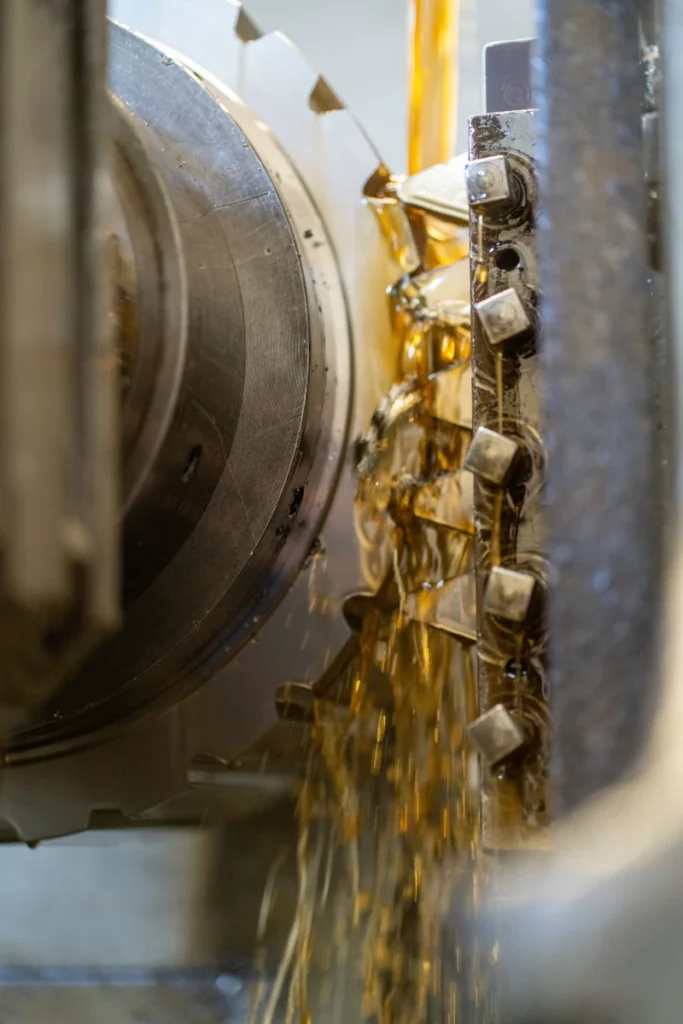
The diamond saw blade with turbine‑tooth rim relies on the spiral staggered turbine‑tooth structure, which makes up for the performance defects of segmented‑rim diamond saw blade and continuous‑rim diamond blade for ceramics, and belongs to an all‑round cutting tool with excellent comprehensive performance.
This saw blade adopts a compromise structure balancing efficiency and accuracy. Compared with the segmented saw blade, it has higher cut‑section flatness and higher cutting feed efficiency than the continuous‑tooth blade. Its spiral guide groove can form a turbulent airflow heat‑dissipation structure, which has excellent heat exchange and slag‑discharge performance and supports stable dry‑cutting and wet‑cutting operations. The product has strong material compatibility, and can adapt to many kinds of building materials such as stone, concrete, rock slab, ceramics, etc., effectively reducing the frequency of tool changing. Compared with the other two types of saw blades, it has no obvious performance shortcomings, more balanced heat resistance, continuous operation and machining accuracy, and outstanding comprehensive application competitiveness.
Working Principle of Turbine‑tooth Diamond Saw Blade
The diamond saw blade with turbine‑tooth rim completes material removal processing through wavy turbine gear rim, powder‑metallurgy sintered matrix and self‑sharpening effect of abrasive particles.
- How does the wavy serrated rim structure guide air flow and remove chips?
When the saw blade rotates at high speed, the wavy saw‑tooth guide groove generates a turbulent air‑cooled channel, which strengthens the interface heat exchange and inhibits thermal burning loss of the cutter teeth. The chip space inside tooth cavities is used to discharge chips in time, so as to avoid abrasive particle clogging and ensure the stability of the cutting interface under dry and wet cutting conditions.
- Synergistic grinding principle of diamond particles and metal bond
The rim is a sintered composite of diamond abrasive grains and metal bond. Diamond abrasive grains act as cutting edges to perform micro‑ploughing and crushing; The metal matrix holds abrasive particles, transmits cutting torque and buffers impact load, and the two work together to complete abrasive removal of workpiece materials.
- How can the self‑sharpening effect ensure the continuous cutting performance?
During the cutting process, worn abrasive particles are gradually consumed, and the metal matrix wears synchronously in a controlled manner, so that fresh internal diamond abrasive particles keep exposing. Depending on this self‑sharpening mechanism, effective cutting edges can be continuously updated to prevent the saw blade from passivation and slipping, and maintain long‑term cutting ability.
Skills to Improve Saw‑blade Performance
Match equipment with the saw‑blade spindle bore and rated maximum speed, and distinguish between angle grinders and circular saws. For dry cutting, adopt layered cutting with intermittent idling for heat dissipation; do not apply forced pressure. For wet cutting, ensure cooling water is continuously aimed at the cutting area to avoid alternating cold‑hot cycles. When the saw blade glazes and slips, use a silicon‑carbide grinding block to dress the rim, so as to promote fresh abrasive particles to expose and restore cutting ability.
Core Points Affecting the Service Life and Performance of Saw Blades
Pair hard materials with soft bond to promote exposure of new abrasive particles; use hard bond for soft work‑piece materials to prevent premature abrasive‑particle shedding. Higher diamond concentration brings longer service life yet higher cutting resistance; the taller the segment, the more diamond layers can be consumed and the longer the service life. Overheating and overload will lead to diamond graphitization, reduced matrix strength and segment detachment, and shorten the service life of saw blades.
Post‑cutting Treatment and Grinding
- Burr treatment for stone and tile incisions
After cutting, stone and ceramic tile cuts are prone to burrs and flash. Remove edges and corners by grinding step by step from coarse to fine, and control operating force on brittle ceramic tiles to prevent secondary cracking.
- Practical usage of grinding wheel, polishing blade and impeller
Grinding wheel quickly smooths burrs; polish with polishing sheets step by step; the impeller is used for corner chamfering and grinding. Control working pressure, avoid workpiece overheating, and gradually increase abrasive grit size to obtain an excellent surface.
FAQ
Q: Which of the three saw blades has the fastest cutting speed? Segmented‑rim diamond saw blade is the fastest, followed by turbine‑tooth blade, and continuous‑rim blade is the slowest.
Q: Can a turbine‑tooth diamond saw blade cut concrete? Yes, dry/wet cutting is supported; It is suggested to select the thickened‑matrix model for reinforced concrete under heavy‑load conditions.
Q: Is the turbine‑tooth saw blade better than the continuous‑rim saw blade? There is no absolute advantage or disadvantage. The turbine‑tooth type has strong comprehensive versatility; The continuous‑rim diamond blade for ceramics is preferred for ultra‑fine ceramic‑cutting scenarios.
Q: What is a turbo diamond blade? It is a spiral staggered wavy‑tooth saw blade. It relies on diversion grooves to realize turbulent heat dissipation and chip removal, balancing efficiency and cut‑notch quality.
Q: What is the key difference between segmented‑rim and turbine‑rim diamond blades? The segmented rim features wide kerfs, strong impact resistance and average cut‑section quality; The turbine‑tooth profile delivers fine cuts with better notch quality yet slightly weaker impact resistance.
Q: What are the different types of diamond blades? It is mainly divided into three categories: segmented‑rim, continuous‑rim for ceramics and turbine‑tooth diamond saw blade.
Q: Can diamond turbine‑rim blades cut metal? It is not recommended. High temperature will cause diamond graphitization; these blades are only suitable for non‑metallic materials such as stone and concrete.