-
Blake.Chu sales consultant
-
Email: 113217160@qq.com
-
Phone/WeChat +86 19129108136
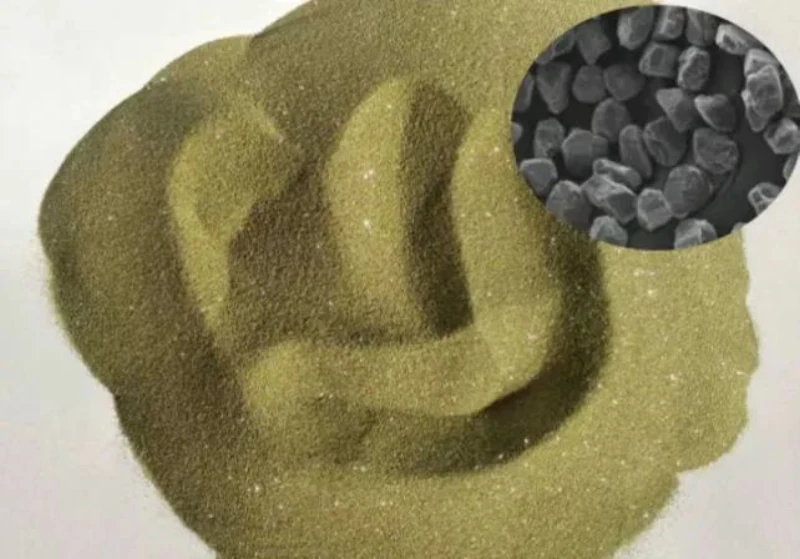
How does diamond dust stick to saw blades
Metal‑Coating Technology for Synthetic diamond dust
As manufacturing upgrades toward high‑end levels, clean‑energy industries grow fast, and the semiconductor plus photovoltaic sectors expand, market demand keeps rising for diamond tools with high efficiency and precise processing ability. Synthetic diamond dust serves as the most important raw material for diamond tools. However, it has common drawbacks. It does not stick firmly to tool bases. It also burns away too early, so tools wear out quickly.
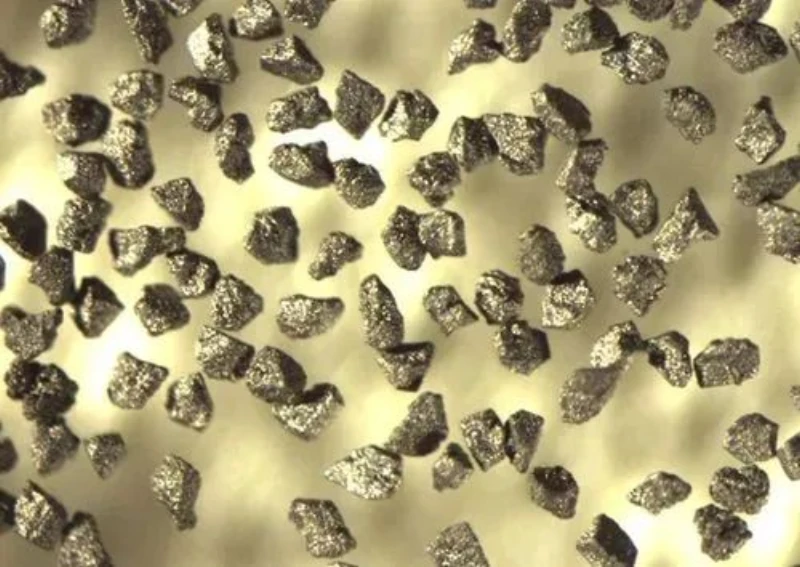
To solve these problems, the industry coats diamond dust with metal layers. This method changes its surface property, makes it more durable, and improves the overall quality of diamond tools.
Today people use many coating methods for diamond dust. These methods include electroless plating, electroplating, magnetron‑sputtering coating, vacuum micro‑evaporation coating, and thermal‑explosion reaction. Among them, electroless plating and electroplating are the two most widely‑used industrial technologies.
They have mature processes. They create even coating layers. People can exactly control coating composition and thickness, and make custom‑fit coatings for different needs.
Electroless Plating
For electroless plating of diamond dust, workers put pre‑treated diamond dust into special liquid plating solution. Reducing agents inside the solution trigger chemical reactions. They turn metal ions in the liquid into solid metal. The metal settles on diamond surfaces and forms tight metal coats. Nickel‑phosphorus (Ni‑P) alloy plating, commonly called nickel electroless plating, is the most popular choice for diamond dust today.
Components of Electroless Nickel Plating Solution
Plating‑solution ingredients decide chemical‑reaction progress, solution stability and final coating quality. A typical solution contains main metal salts, reducing agents, complexing agents, buffer agents, stabilizers, accelerators and surfactants. Workers carefully adjust the share of each substance to get ideal coating results.
- Main metal salts: Common choices are nickel sulfate, nickel chloride, nickel sulfamate and nickel carbonate. They supply nickel metal for coating.
- Reducing agents: They produce atomic hydrogen. The hydrogen changes Ni²⁺ ions into solid nickel metal, which sticks to diamond grains. Reducing agents are key parts of the whole solution. Factories mostly pick sodium hypophosphite. It has strong reducing power, costs little and keeps the solution stable. This chemical system works well both at low and high temperatures.
- Complexing agents: They stop unwanted solid bits from forming inside the liquid. They make the solution last longer, speed up nickel deposition and improve coating quality. Factories often use organic acids or their salts such as succinic acid, citric acid and lactic acid.
- Other ingredients: Stabilizers slow down unnecessary breakdown of plating liquid. Users must add the right amount, because too much stabilizer will stop the target chemical reaction. Buffer agents manage H⁺ produced during nickel plating. They keep pH values steady. Surfactants lower tiny holes inside finished coating layers.
Electroless Nickel Plating Process
Sodium‑hypophosphite electroless plating needs surfaces with catalytic activity. Raw diamond surfaces have no such active spots. So workers must pre‑treat diamond dust before plating. Traditional pre‑treatment steps go in this order: oil removal, surface roughening, sensitization and activation.
- Oil removal and surface roughening
Oil‑removal work takes away grease, dirt and other organic waste on diamond dust. Clean surfaces help later metal coats stick tightly and work properly. Roughening creates small pits and tiny cracks on diamond surfaces. It raises surface roughness. These spots catch more metal ions for later plating. They also build small steps for metal layers to grow.
Workers usually use alkaline liquid like NaOH to remove oil. They use acid liquid such as nitric acid to etch and roughen diamond. People often use ultrasonic cleaning machines for both steps. Ultrasonic treatment speeds up cleaning and roughening work, saves time and guarantees good treatment results.
- Sensitization and activation
Sensitization and activation are the most critical steps. They decide whether electroless plating can happen. In sensitization, workers let diamond dust take in easy‑to‑oxidize substances on its surface, since diamond cannot start self‑catalyzed reactions by itself. In activation, catalytic metal ions such as palladium stick to diamond grains. These ions speed up oxidation of hypophosphite and reduction of nickel, so metal coats grow faster on diamond.
If sensitization or activation lasts too short, few palladium points form on diamond. Coating layers stick poorly. Coats may fall off or cannot fully cover grains. If treatment runs too long, people waste expensive palladium material. The best time range for these two steps is 20‑30 minutes.
- Electroless nickel plating
Besides liquid ingredients, temperature and pH value also change electroless‑plating results. Traditional high‑temperature nickel plating runs at 80‑85 °C. Temperatures above 85 °C easily break down the whole plating liquid. Within the safe range, higher temperature makes chemical reactions go faster. Higher pH speeds up nickel deposition. Yet too high pH creates solid nickel sediment, which slows down target reactions. For this reason, workers adjust solution formulas and working conditions. They control deposition speed, layer density, corrosion resistance and compactness, to produce diamond dust that meets real‑world industrial needs.
One‑time plating may fail to reach target thickness. It can leave bubbles and tiny pinholes. Repeated plating steps improve coating quality and help separate diamond grains from one another.
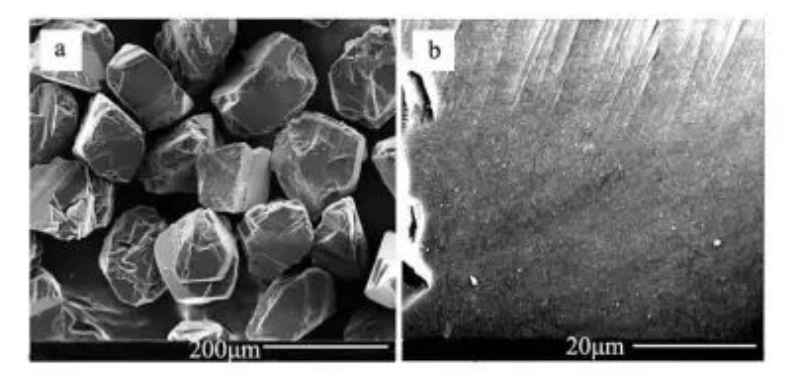
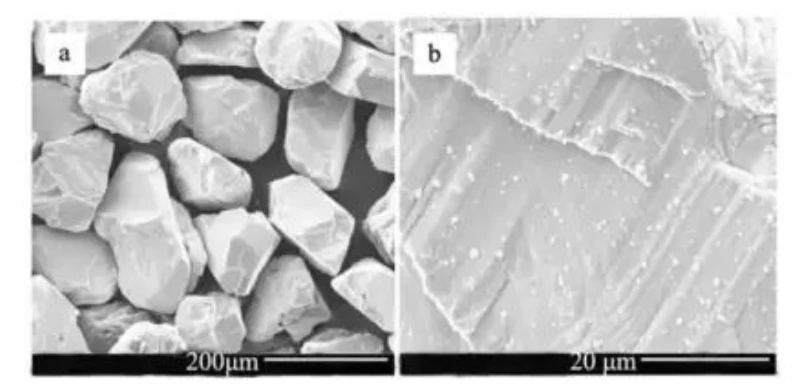
Nickel Electroplating
Electroless‑nickel coats hold phosphorus inside. Phosphorus makes these layers conduct electricity poorly. Poor conductivity creates trouble in later tool‑making, when workers fix diamond grains onto metal bases. Electroplating adds phosphorus‑free nickel coats to solve this problem.
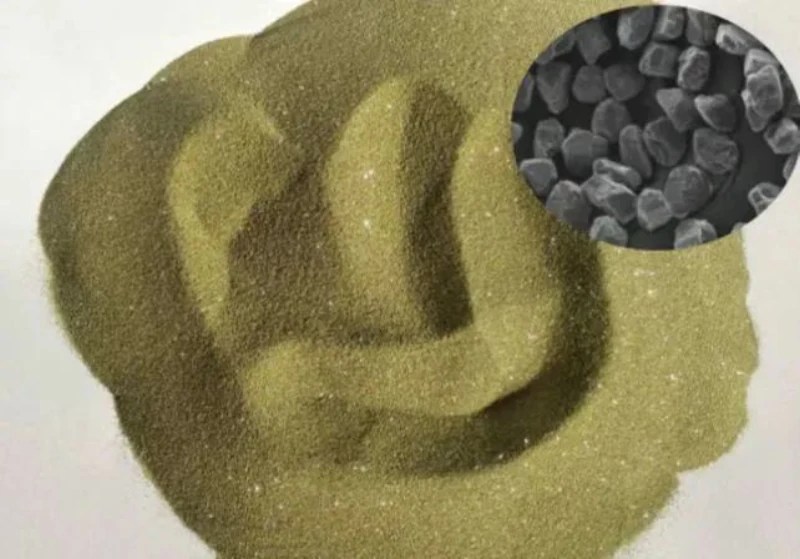
Workers place diamond dust into liquid with nickel ions. Diamond grains touch the negative power pole and act as cathodes. Solid nickel blocks sit in the same liquid and connect to the positive power pole as anodes. Electric current triggers electrolysis. Nickel ions turn into nickel atoms on diamond surfaces and build up metal coats.
-Components of Electroplating Solution
Just like electroless liquid, electroplating liquid supplies metal ions and controls nickel‑growing conditions for target metal coats. Its main parts include main metal salts, anode activators, buffer agents and functional additives.
- Main metal salts: Nickel sulfate and nickel sulfamate are common choices. Higher salt concentration speeds ion movement, lifts electric‑current efficiency and makes nickel deposit faster. But too high concentration creates large crystal grains and weakens even coating spread. Too‑low salt levels reduce liquid conductivity. Temperatures rise quickly and become hard to control.
- Anode activators: Nickel anodes easily lose activity and stop conducting evenly. Workers add nickel chloride or sodium chloride. These chemicals keep anodes active and raise the current point where passivation starts.
- Buffer agents: They keep pH values stable for liquid and cathode surfaces within working limits. Boric acid, acetic acid and sodium bicarbonate are typical buffer materials.
- Other additives: According to coating requirements, users add brighteners, leveling agents, wetting agents and impurity‑removing substances. These materials improve final coating performance.
-Nickel Electroplating Process for Diamond Dust
Raw diamond does not conduct electricity. Workers first put a thin metal layer over diamond, usually through electroless plating, before thickening coats with electroplating. The quality of pre‑made electroless coats influences later electroplating results.
Phosphorus content inside electroless nickel‑phosphorus layers changes material performance. High‑phosphorus layers resist acid corrosion well, but carry many lump‑shaped bumps, have rough surfaces and show no magnetism. Medium‑phosphorus layers balance corrosion resistance and wear resistance. Low‑phosphorus layers conduct electricity better.
Smaller diamond‑powder grains have larger total surface area. They easily float in plating liquid. Floating causes missing coats, peeling layers and loose metal films. Before electroplating, workers adjust phosphorus share and layer quality in pre‑plated nickel‑phosphorus coats. This controls diamond conductivity and weight, and reduces floating problems.
Roll‑plating is widely used for diamond‑powder electroplating. Workers pour electroplating liquid and diamond dust into a rotating bottle. Rolling motion keeps diamond grains moving inside liquid. Nickel blocks connect to positive poles, and diamond grains link to negative poles. Under electric force, nickel ions turn into solid nickel metal on diamond surfaces. However, roll‑plating works slowly and creates uneven coats. The rotating‑cathode method solves these weaknesses.
In the rotating‑cathode method, the cathode spins during electroplating. Spinning increases contact chances between electrodes and diamond grains. More grains get even electric connection. This reduces uneven coating and lifts production efficiency for nickel‑coated diamond dust.
Conclusion
In short, metal coating technologies, mainly electroless plating and electroplating, effectively fix the defects of original diamond powder, such as weak adhesion and easy oxidation. With adjustable formulas and standardized pretreatment and plating processes, these mature methods greatly improve the durability, conductivity and practical performance of diamond materials, providing reliable and high‑quality raw materials for modern high‑precision diamond tool manufacturing.