

-
Blake.Chu sales consultant
-
Email: 113217160@qq.com
-
Phone/WeChat +86 19129108136
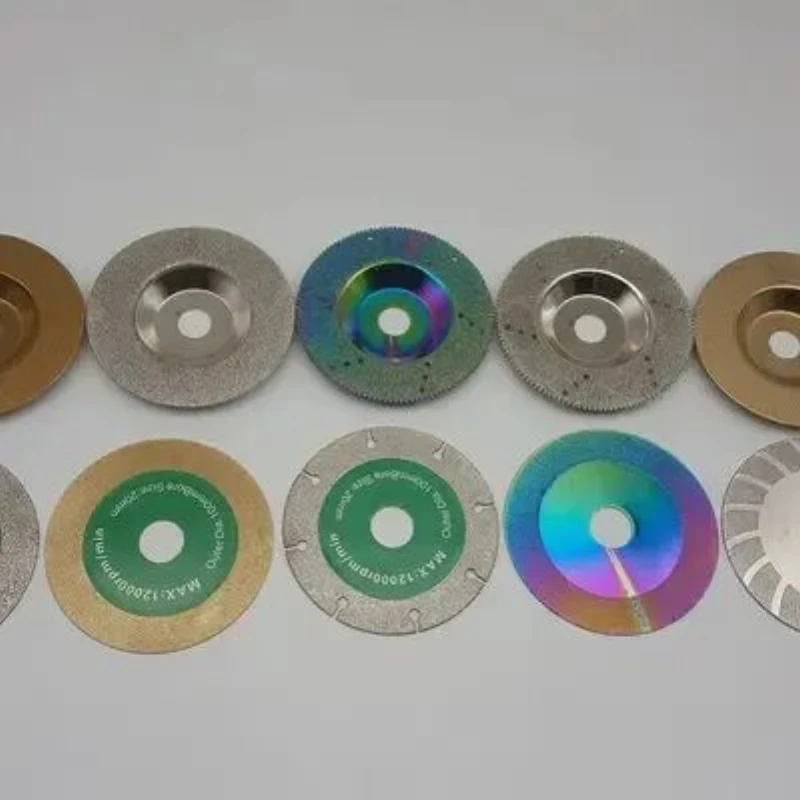
Is a diamond saw blade made from hardened steel
Is a Diamond Saw Blade Made from Hardened Steel
We talk to many people about how hard it is to machine hardened steel and share our best advice for working with this special material. In this article, I collect common‑asked questions and give useful information about using the Diamond Saw Blade to help you.
What is Hardened Steel?
Hardened steel is a kind of carbon steel with better wear resistance and longer service life. Special heat treatment gives it higher hardness and strength compared with soft steel.
Workers make it by heating carbon steel to a high temperature and then cooling it quickly. People call this process quenching. Quenching makes steel very hard, yet it also becomes brittle. To reduce brittleness without losing hardness, people heat the material again and let it cool slowly in the air. This step is tempering. After quenching and tempering, hardened steel stays machinable and will not crack easily.
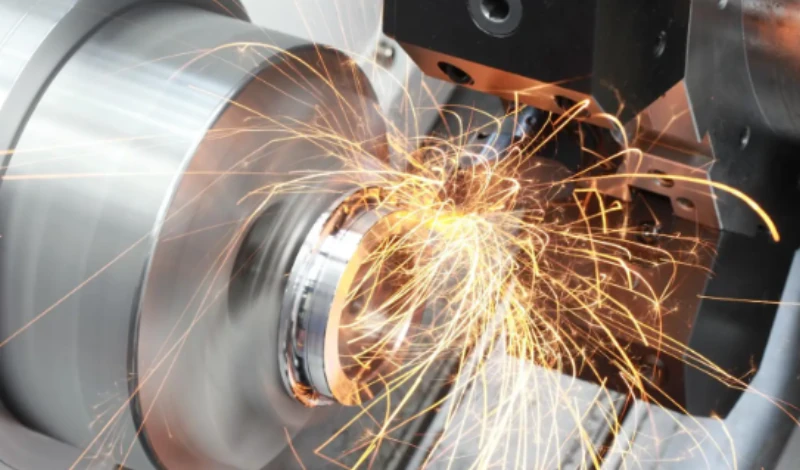
What Are the Advantages and Disadvantages of Hardened Steel?
Hardened steel resists heavy wear very well. This is its key benefit. Manufacturers use it to build parts that need to stand frequent use or heavy loads without breaking or getting damaged. It also fights rust and corrosion better than ordinary steel, and a high‑quality Diamond Saw Blade is required for cutting and processing this tough material.
Even though hardened steel has many good points, you need to notice its weaknesses. Its high hardness cannot resist sharp impacts. Besides, quenching‑and‑tempering treatment may lower its melting point. Keep this in mind when you place the material under high‑temperature conditions.
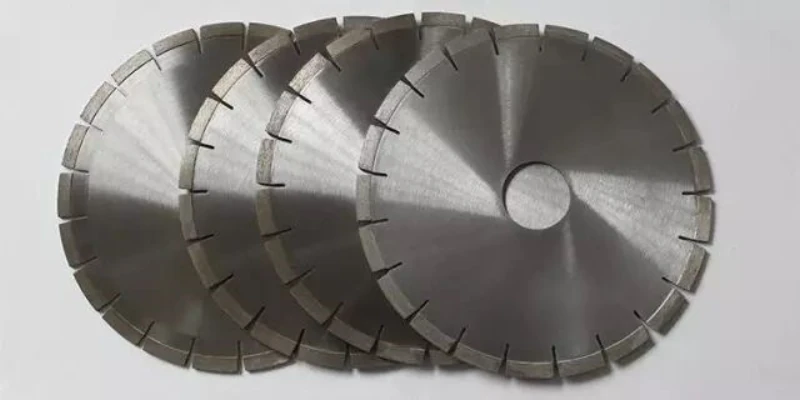
What Is the Rockwell Hardness of Hardened Steel?
Normal hardened steel reaches 40 HRC to 70 HRC on the Rockwell hardness scale. Materials between 55 HRC and 70 HRC belong to high‑hardness hardened steel, and you can select a suitable Diamond Saw Blade for processing such tough workpieces.
How to Machine Hardened Steel and Improve Working Processes
First, do not use high‑speed‑steel tools or standard carbide cutters when you mill hardened steel, especially material harder than 50 HRC. We strongly suggest high‑grade carbide tools with ultra‑fine or nano‑grains. These tool bases have higher density. They bring great heat resistance and much better wear performance.
After you pick the right tool, you need to set proper cutting data, including cutting speed and feed rate. Whenever you can, follow the data offered by your tool supplier or manufacturer. If you feel confused about speed or feed settings for hardened‑steel machining, reach out to their technical team for further guidance.
Machining hardened steel used to be slow and time‑consuming. Workers ran low cutting speed and low feed rate. Deep cutting depths, especially during rough machining, often left deep tool marks on workpieces. People also used EDM (Electrical Discharge Machining) for hardened steel, but this method costs plenty of time and money.
Today, new tool technology supports high‑speed machining for hardened steel. You can run small cutting depths together with high feed rates. More shops choose this modern way instead of old slow processing methods.
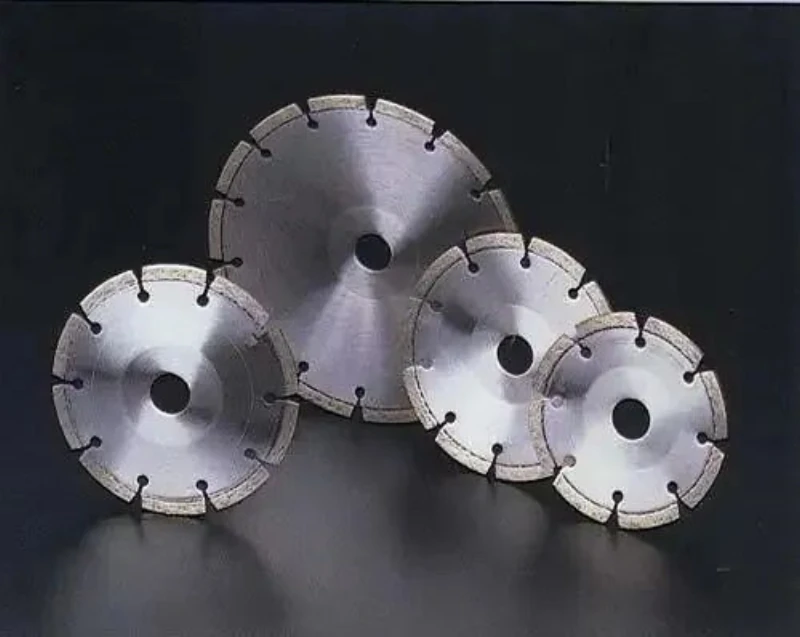
Several key points will affect your machining results. Please pay attention to them:
Keep Stable Chip Load
Stable chip load on cutting edges protects tool life and keeps good machining quality. For milling work, chip load equals feed rate divided by spindle speed, multiplied by the number of tool flutes.
Chip load has a reasonable working range. Too low or too high chip load makes tools wear fast, produce chipped edges or even break. High spindle speed plus small cutting depth gives you the best output quality.
Reduce Tool Run‑out
Tool run‑out creates serious problems while you machine hardened steel. Tool life drops sharply once run‑out goes over 0.01 mm. Small‑diameter tools suffer most. Too much run‑out may double your real chip load. Choose high‑precision tool holders. They greatly remove bad influences from tool run‑out.
Protect Tool Service Life
Tool‑life management always matters. Machining hardened steel creates high cutting heat and weakens your tool performance. We recommend small cutting depths. Short cutting contact lets tool edges cool down between cuts and extends total tool life.
Hard materials may cause thermal shock. You may use air cooling, oil mist or other cooling solutions. Jet cooling works best. It protects cutting edges from quick, violent temperature changes caused by thermal shock.
Select Suitable Tools
Here are practical rules for you when you pick tools for hardened‑steel machining.
Cutting hardened steel produces large amounts of heat. You need tools with thermal‑barrier coatings. Higher cobalt content improves heat resistance and mechanical strength. Tools with negative rake angles also help. They shield cutting edges from the great hardness of work‑piece material.
CBN (Cubic Boron Nitride) ranks as the second‑hardest known material, next only to diamond. Shops widely use CBN cutting tools for hardened‑steel jobs. They show excellent wear resistance and good toughness.
Summary
When discussing whether a Diamond Saw Blade adopts hardened‑steel substrates, you should also master hardened steel’s properties, hardness data and practical machining skills to get reliable processing outcomes in real production.