-
Blake.Chu sales consultant
-
Email: 113217160@qq.com
-
Phone/WeChat +86 19129108136
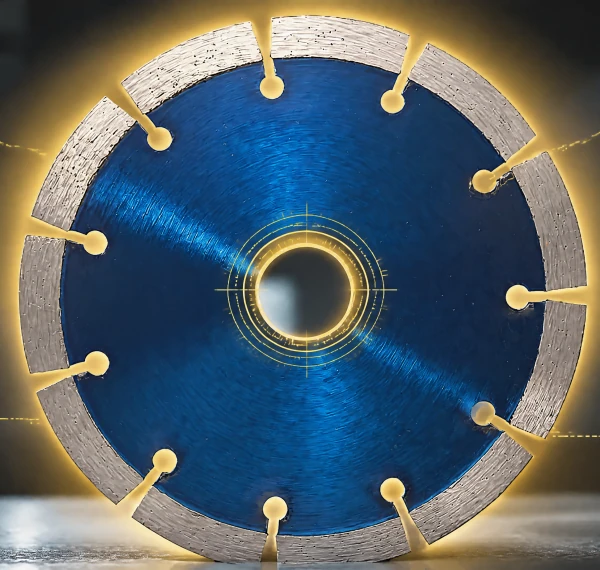
Can You Put a Diamond Blade in a Circular Saw? The Truth Revealed
Deadlines loom, blades burn out, and someone finally asks, can you put a diamond blade in a circular saw without wrecking the job or the tool?
Short answer: yes, but only when specs line up, or you trade speed for heat, wobble, and costly downtime.
Recent reports from Grand View Research and Freedonia Group link diamond blades to productivity and fewer changeouts.
Quick Answers: Can You Put a Diamond Blade in a Circular Saw?
➔ Arbor & Diameter Match: Confirm blade arbor size and overall diameter align with your saw to avoid wobble, vibration, and safety risks.
➔ Kerf Width vs. Load: Choose a kerf that balances cutting speed and power draw; thinner kerfs lower load but may wear faster on concrete.
➔ Segment Type & RPM: Pair blade bond hardness and segment design with your saw’s RPM for optimal heat control and lifespan across materials.
➔ Performance Gains: Properly spec’d diamond blades boost cutting speed, reduce blade changes, and deliver smoother, more consistent cuts on masonry and reinforced concrete.
Can You Put a Diamond Blade in a Circular Saw?
A lot of people ask, can you put a diamond blade in a circular saw without wrecking the tool? Short answer: yes—if specs line up. The details matter though, from arbor fit to saw RPM, especially when running a JZC blade.
Arbor Size & Diameter: Ensuring a Perfect Circular Saw Fit
Getting the blade fit right starts with the mounting hole and diameter. If those don’t match your circular saw, things get shaky fast.
- Core checks
- arbor size (commonly 5/8″, 7/8″)
- blade diameter vs saw rating
- proper flange tightening
- Why it matters
- Poor compatibility → vibration
- Wrong size → uneven cuts
- Loose mount → safety risk
So, can you put a diamond blade in a circular saw safely? Yes, but only if the size aligns perfectly. A JZC blade built to spec will sit tight and spin true, giving smoother control.
Kerf Width and Circular Saw Performance Explained
When people ask can you use a diamond blade on a circular saw for concrete or brick, the kerf plays a huge role.
| kerf width (mm) | saw power needed (W) | cut quality |
|---|---|---|
| 1.8 | 900 | fine |
| 2.0 | 1100 | balanced |
| 2.2 | 1300 | stable |
| 2.5 | 1500 | durable |
| 3.0 | 1800 | heavy-duty |
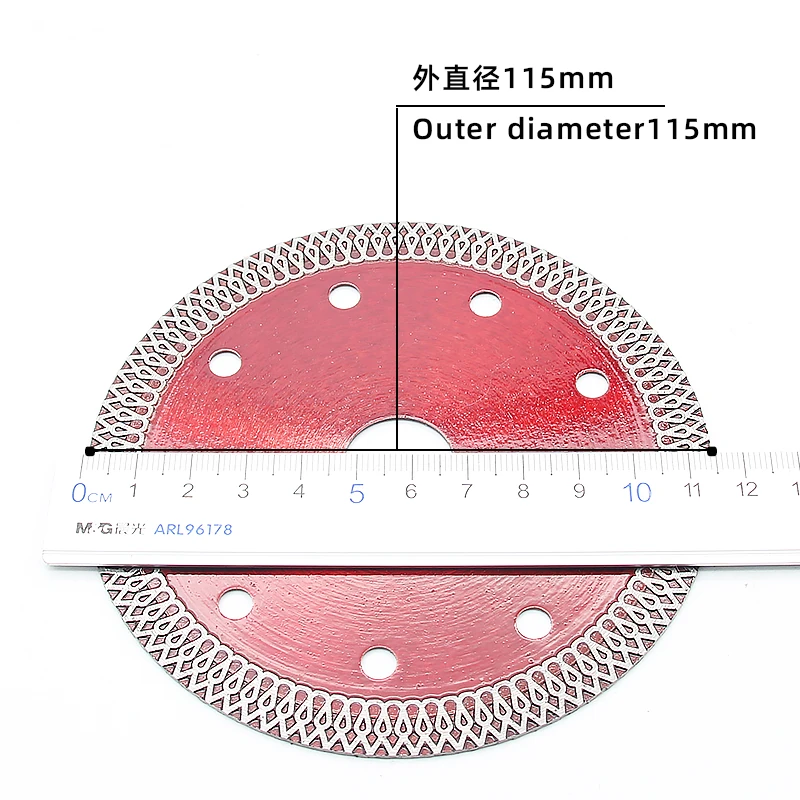
Thin blade thickness cuts faster but strains less powerful saws. Thicker options improve durability in reinforced concrete. So when asking can you put a diamond blade in a circular saw, match saw power to material removal needs.
Choosing the Right Segment Type for Your Saw RPM
Matching segment type to rotational speed keeps your cut clean and your blade alive.
- Identify your saw’s RPM
- Low RPM → softer bond blade segments
- High RPM → harder bond
- Match to cutting material
- Asphalt → wide segments
- Granite → tight, dense segments
- Final check before install
- Confirm application range
- Ensure cooling (dry vs wet)
A common mistake when asking can you put a diamond blade in a circular saw is ignoring saw RPM. That mismatch burns edges fast. JZC blades are tuned for stable performance across varied speeds, so they’re a safer pick when dialing things in.
5 Pain Points with Standard Circular Saw Blades
Quick reality check: if you’ve ever asked, “can you put a diamond blade in a circular saw,” the answer isn’t just yes or no—it depends on how these blades actually behave on tough materials.
High Wear Rate on Concrete and Masonry
- Core issue: fast wear under heavy abrasion
- Material interaction
- Concrete with sharp aggregate eats into segments
- Masonry dust accelerates edge loss
- Blade design gaps
- Low segment height → reduced durability
- Soft bond → shorter blade life
- Material interaction
- Result: even if you can put a diamond blade on a circular saw, poor specs mean it burns out fast
- Practical note: “diamond blade in circular saw” setups need the right bond or they fade quickly
Excessive Vibration Levels During Cuts
Trying to run a diamond blade in a circular saw without matching specs? You’ll feel it instantly. Vibration spikes, stability drops, and precision goes out the window.
- Causes include mismatched kerf and diameter
- Effects stack up:
- weaker saw control
- worse cutting performance
- rising operator fatigue
Even when people ask “can you use a diamond blade on a circular saw,” they often ignore balance and alignment.
Overheating Issues and Poor Heat Dissipation
Step flow during cutting:
- Friction builds → rising blade temperature
- Poor segment spacing traps heat → weak heat dissipation
- Continued cutting → thermal stress and overheating
- Outcome → material degradation, warping
If you put a diamond blade in a circular saw without cooling breaks, failure isn’t far off.
Inconsistent Cut Quality in Reinforced Concrete
Cuts look rough. Then worse.
Cut quality drops when hitting reinforced concrete.
Steel rebar interrupts rhythm.
Edges lose smoothness.
More chipping, less consistency.
“Improper blade selection remains a top cause of uneven concrete cutting outcomes,” notes a 2025 construction tools report from Freedonia Group.
So yeah, can you put a diamond blade in a circular saw? Sure—but not every blade handles rebar well.
Frequent Blade Changes Affecting Jobsite Efficiency
- Downtime chain reaction:
- Frequent blade changes
- disrupt jobsite efficiency
- increase setup time
- Cost impact
- higher labor cost
- constant maintenance checks
- Output loss
- reduced productivity
- Frequent blade changes
- Bottom line: using the wrong “diamond blade circular saw” combo means stopping more than cutting
If you keep wondering “can you put a diamond blade in a circular saw,” the better question is: can your setup survive the workload?
Concrete Cutting: Diamond Blade Benefits
Quick heads-up before you grab your tool: people often ask, “can you put a diamond blade in a circular saw?” Short answer—yes, but only if the saw supports it and you match specs. Done right, it seriously boosts cutting efficiency and finish quality.
Accelerated Cutting Speed on Reinforced Concrete
Getting through reinforced concrete without burning time (or blades) comes down to setup and pairing:
- Core setup
- Tool pairing
- A diamond blade fitted to a compatible circular saw
- Correct RPM rating to maintain safe cutting speed
- Material factors
- Rebar density affects material removal
- Aggregate hardness shifts cutting efficiency
- Tool pairing
- Practical flow
- Check if can you put a diamond blade in a circular saw applies to your model
- Align blade type to concrete grade
- Maintain steady feed for fast cutting
People also search variations like “diamond blade on circular saw” or “use diamond blade circular saw,” and the idea stays the same—match the blade to the load. When dialed in, you’ll feel the difference almost instantly: less drag, smoother entry, faster progress.
Extended Blade Lifespan with Optimal Segment Height
Blade life isn’t luck; it’s design plus use habits.
- Key durability drivers
- Segment height → deeper segments = longer usable life
- Bond composition → balances wear resistance and exposure of fresh diamonds
- Cooling → dry vs wet affects blade longevity
Here’s a quick comparison:
| Segment Height (mm) | Expected Wear Rate | Typical Lifespan (cuts) |
|---|---|---|
| 7 | High | 120–180 |
| 10 | Moderate | 180–260 |
| 12 | Low | 250–340 |
| 15 | Very Low | 300–420 |
| 18 | Minimal | 380–500 |
Ask again: can you put a diamond blade in a circular saw safely for long use? Yes—if cooling, alignment, and load are controlled. That’s where real blade durability shows up.
Superior Cut Quality for Construction Site Applications
Clean work matters, especially on visible edges.
- Finish control stack
- Blade design
- Thin kerf → better precision cutting
- Balanced segments → reduced vibration
- Site handling
- Stable feed improves cut quality
- Proper depth control ensures clean cuts
- Blade design
Short takeaways:
- smoother entry, less chipping
- tighter tolerances across application areas
- consistent professional results
So when someone asks, “can you put a diamond blade in a circular saw and expect a smooth finish?”—yeah, you can. Just don’t wing it. Match specs, control motion, and let the blade do its job.