-
Blake.Chu sales consultant
-
Email: 113217160@qq.com
-
Phone/WeChat +86 19129108136
Is Your Cut Slow? How to Tell If a Diamond Saw Blade Is Dull
If you’re asking how to tell if a diamond saw blade is dull, something’s already off—cuts drag, machines groan, and jobs creep past deadlines while costs quietly climb.
A worn blade doesn’t slow progress; it chews up labor, heats equipment, and chips away at consistency. Spot the signs early, fix the issue fast, and keep cut clean, quick, and profitable without burning through replacements.
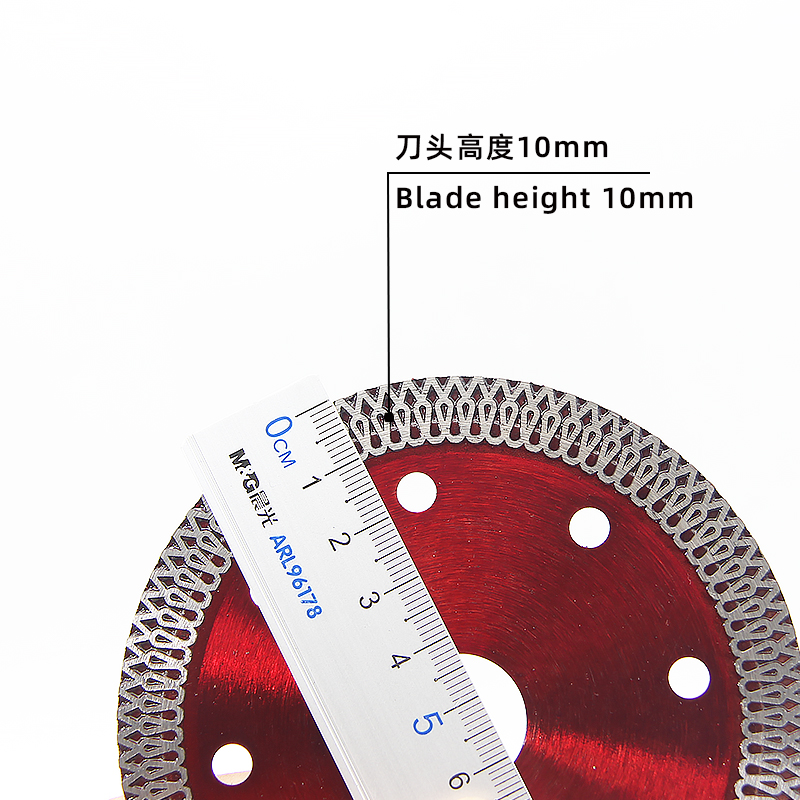
Quick Answers: How to Tell If a Diamond Saw Blade Is Dull
➔ Cutting Speed Drop: Noticeably longer cut times on identical material signal glazed or worn diamond segments.
➔ Heat & Odor: Excessive warmth, burning smell, or poor coolant flow point to bond wear and friction buildup.
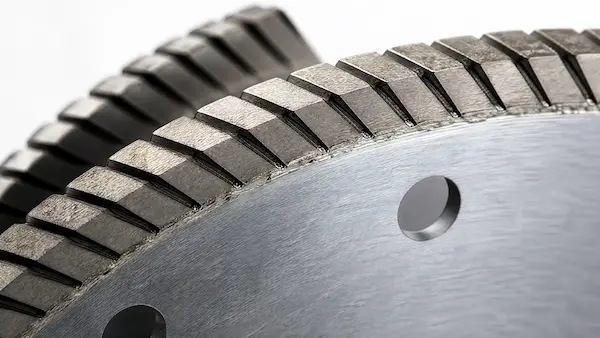
➔ Visual Wear: Shiny, smooth segments, missing diamond particles, undercuts, or core cracks reveal structural fatigue.
➔ Noise & Vibration: High-pitched screeches, grinding sounds, or uneven vibration indicate segment wear and imbalance.
5 Warning Signs Your Diamond Blade Is Dull
You don’t need fancy tools to figure out how to tell if a diamond saw blade is dull. A few real-world signals—speed, heat, sound—say a lot. This quick guide breaks down how to tell if a diamond saw blade is dull in a way that actually helps on the job, not just in theory.
Slow cutting speed dragging your productivity down
- cutting speed drops while processing time stretches
- material removal feels sluggish; cutting efficiency dips
- blade performance stalls even with steady feed
1) Check feed rate vs material hardness
2) Inspect dull blade surface for glazing
3) Compare baseline vs current productivity
If you’re wondering how to tell if a diamond saw blade is dull, this is usually the first red flag. A JZC blade, when sharp, keeps pace; when not, it drags.
Excessive heat generation and that telltale burning smell
- Rising blade temperature and overheating
- Noticeable burning smell from friction
- Weak coolant system flow
| Condition | Temp (°C) | Friction Level | Risk |
|---|---|---|---|
| Normal wet cut | 40–60 | Low | Safe |
| Poor coolant | 70–90 | Medium | Wear |
| Dry cutting | 90–120 | High | Damage |
| Severe glazing | 120+ | Extreme | Failure |
Heat spikes are a classic way to tell if your diamond blade is dull.
Rough, chipped edges revealing workpiece damage
- rough edges, chipped edges, poor cut quality
- cutting precision drops; material finish worsens
Short checks: feel the edge, inspect corners, compare passes. A dull setup tears instead of slicing.
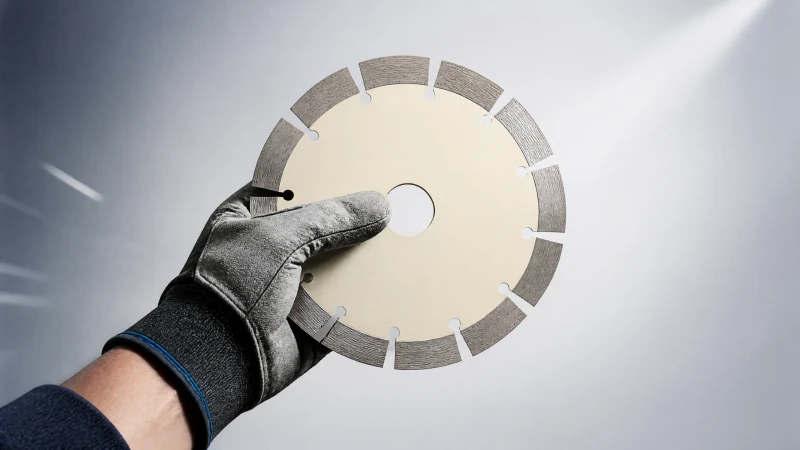
Unusual grinding noise or high-pitched screech
→ abnormal sound rises
→ blade vibration increases
→ machine stress builds
Sequence:
- Verify RPM
- Listen for high-pitched screech
- Pause and inspect alignment
That harsh noise? Another clue in how to tell if a diamond saw blade is dull.
Glazed or worn diamond segments missing particles
- Outer layer looks smooth: glazed segments
- Missing grit: fewer diamond particles
- Reduced diamond exposure
Nested checks:
- Visual
- Shine on blade segments
- Uneven segment wear
- Performance
- Lower cut rate
- Higher force needed
If this shows up, it’s a textbook answer to how to tell if a diamond saw blade is dull. JZC users often fix it by matching bond material to the job, restoring bite fast.
3 Tests To Detect Blade Dullness
A quick, real-world way to figure out how to tell if a diamond saw blade is dull is to watch how it behaves, not just how it looks. Small shifts in cutting feel, time, and sound add up fast. Use these three tests to judge blade performance and keep your material work clean and efficient.
Time-trial cut: measuring increased cutting time
- Compare the same material twice:
- Fresh edge baseline → note time and speed
- Current blade run → track measurement and efficiency
- If the second pass drags, you’re seeing how to tell if a diamond saw blade is dull in plain sight.
Deep check with a nested flow:
- Setup
- Match material density
- Keep feed rate steady
- Run
- Record cutting time
- Observe sparks and drag
- Evaluate
- ↑ time = ↓ performance
- Likely glazing or worn segments
Short cues: slower entry, hotter edge, rough finish. Brands like JZC keep consistency, so changes stand out.
Close-up visual inspection for segment undercut and core cracks
- Clean the blade
- Inspect segment edges for undercut
- Scan the core for cracks and damage
Nested look:
- Edge zone
- Even wear? good
- Uneven wear? risk
- Body
- Hairline cracks → stop use
- Missing segment → replace
If you’re asking how to tell if a diamond saw blade is dull, visible wear is your blunt answer.
Vibration and noise analysis under load
• Smooth operation should feel steady
• Extra vibration or sharp noise = imbalance
• Dust spikes hint at poor performance
Sequence under load:
- Start
- Correct RPM
- Monitor
- Rising sound pitch
- Hand feel of vibration
- Decide
- Stable = okay
- Harsh = dullness or mismatch
“In field tests, increased vibration and cutting time were the earliest indicators of abrasive tool degradation.” — 2025 construction equipment performance brief
Put simply, how to tell if a diamond saw blade is dull comes down to feel, sound, and time. If all three slip, swap it—JZC users often catch it early and avoid bad cuts.
4 Steps To Restore Cutting Speed
You can usually feel it before you measure it—the drag, the heat, the rough finish. If you’re wondering how to tell if a diamond saw blade is dull, the fix often sits in setup and segment care, not instant replacement. Let’s get it cutting clean again.
Diamond segment dressing and re-conditioning techniques
A quick reset for tired diamond segments often beats buying new steel. If you’re trying to tell if a diamond saw blade is dull, look for glazing and slow feed response, then act:
- Run the blade through an abrasive material like a concrete block
- Repeat short passes to boost segment exposure
- Watch for sharper cutting edges and less chatter
If the dull blade wakes up, you’ve nailed blade dressing. For stubborn cases, light re-conditioning cycles restore bite without overheating.
Tuning feed rate, cutting depth, and machine RPM
Bad cutting parameters can fake the symptoms of wear. If you’re asking how to tell if a diamond saw blade is dull, check settings before blaming the blade:
- Match feed rate to material hardness
- Reduce cutting depth to lower load
- Align machine RPM with target blade speed
Dialed-in operational settings often bring performance back, especially on JZC setups tuned for consistent performance tuning.
Ensuring optimal coolant flow for wet cutting
Poor coolant flow makes any blade act worn. Signs you’re trying to tell if a diamond saw blade is dull may actually be heat:
- Strong water supply → better heat dissipation
- Steady stream → improved lubrication
- Clean exit → effective slurry removal
Stable wet cutting conditions protect blade life and keep cuts smooth.
Selecting higher diamond concentration or bond-hardness segments
If issues persist, your segment type may not match the job. When you tell if a diamond saw blade is dull across multiple materials, consider:
- Higher diamond concentration for faster, cleaner cuts
- Adjust bond hardness to suit abrasive material
- Align blade matrix with the cutting application and material type
JZC offers options that balance durability and speed, so the blade stays sharp longer instead of feeling dull too soon.