-
Blake.Chu sales consultant
-
Email: 113217160@qq.com
-
Phone/WeChat +86 19129108136
Do saw blades have diamond tips?
Do Ordinary Saw Blades Come With Diamond Segments?
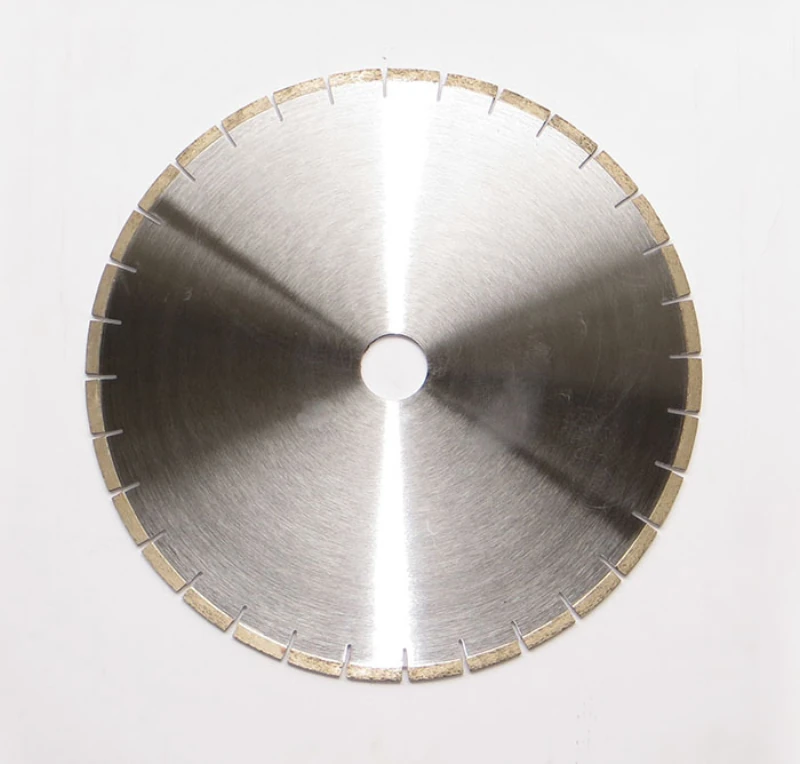
A saw blade is a cutting tool. It cuts materials with its moving cutting teeth. The shape and arrangement of saw‑blade teeth depend on the material you cut. Some special saw blades are fitted with diamond tips for hard‑material cutting. For example, wood‑cutting saw blades have wavy teeth, while metal‑cutting saw blades have small, sharp teeth.
Uses of Saw Blades
Saw blades are common cutting tools. People widely use them at home, in building construction and in manufacturing. You can pick different saw blades for different fields and materials to get the best cutting result. Some saw blades come with diamond tips for hard‑material cutting tasks. For door, window and curtain‑wall work, two main kinds of saw blades are popular: alloy saw blades and diamond saw blades.
Differences Between Alloy Saw Blades and Diamond Saw Blades
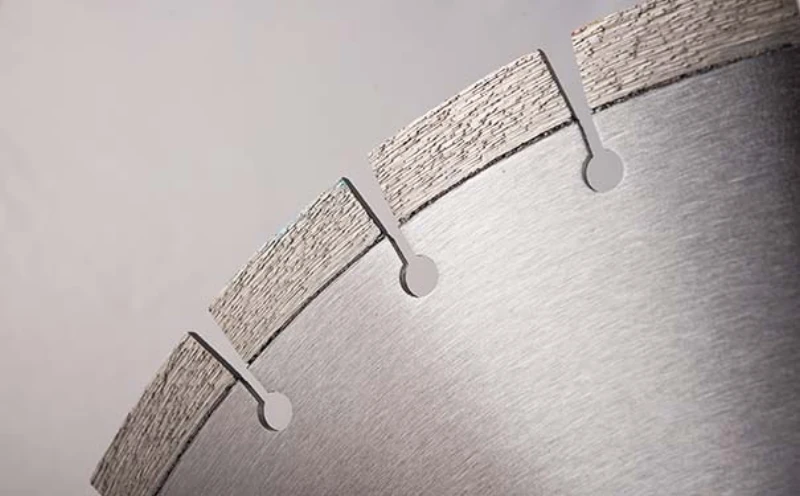
You can tell diamond saw blades apart from alloy saw blades by their material and look, cutting performance, working situations and product prices.
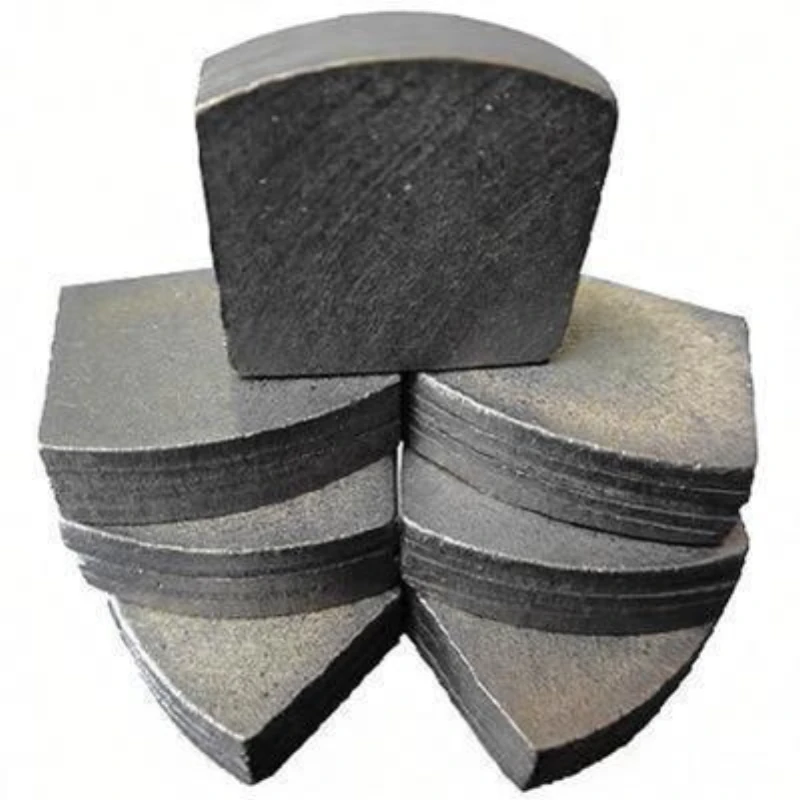
- Material and Appearance
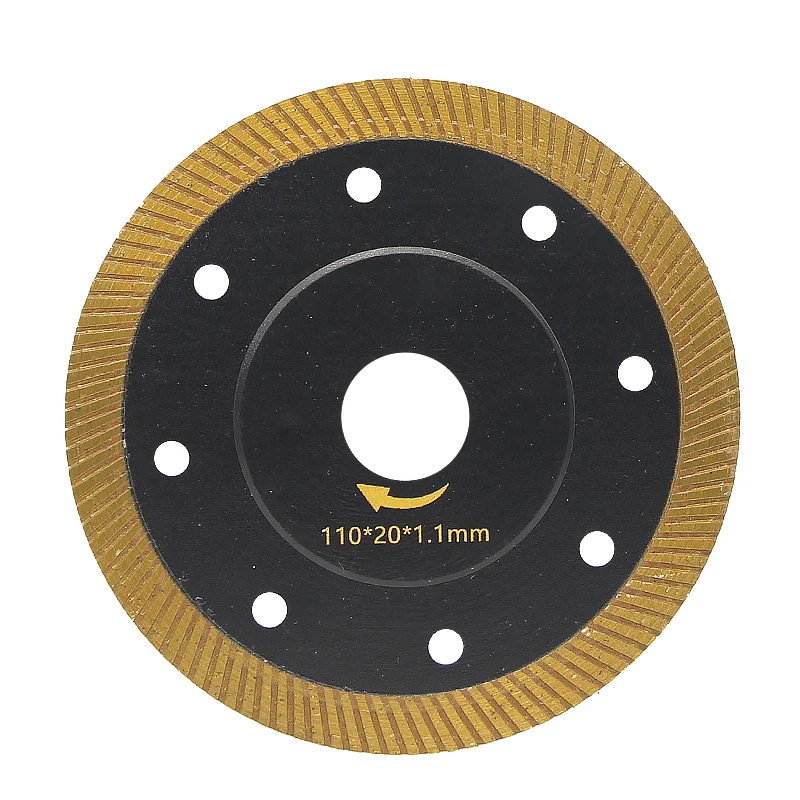
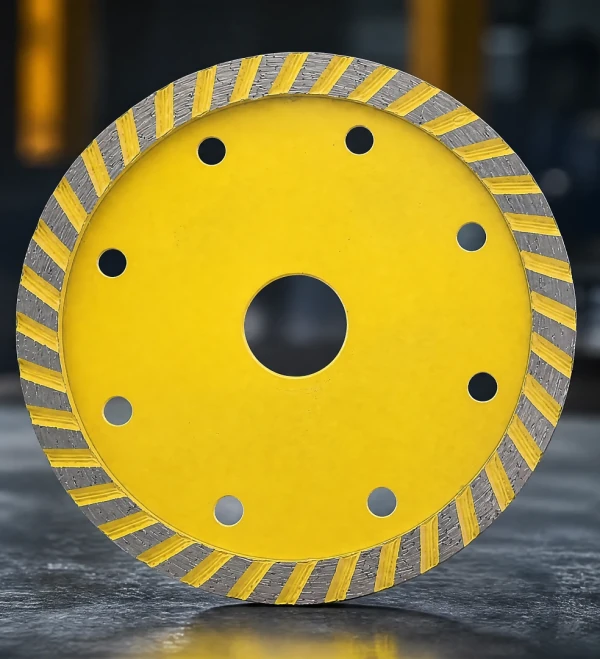
Diamond segments form the cutting tips of diamond saw blades. Alloy saw blades use tungsten‑steel tips. Diamond tips look dark black. Alloy tips keep the natural metallic color and are not black. These diamond tips deliver strong cutting ability when processing hard stone and ceramic workpieces.
- Cutting Performance
Alloy saw blades produce rougher cuts. After long‑time use, cuts may get burrs or cracks. Diamond saw blades make smooth and flat cuts. They last much longer on the same material. You will seldom see burrs or cracks on their cutting surfaces.
- Application Scenarios
Alloy saw blades work for soft materials such as aluminum alloy, copper and iron. They fit small‑scale projects. Diamond saw blades handle harder materials like marble, granite and ceramics. They serve large‑scale projects in construction and stone processing. Both blades can process materials for doors, windows and curtain walls. Still, diamond saw blades show more advantages in most comparisons.
- Product Price
Diamond saw blades have great hardness and wear resistance. They are far more durable than alloy saw blades. So diamond saw blades usually cost much more, often two times higher or above.
How to Choose the Right Saw Blade
Many workers who process doors and windows often use saw blades. Yet not many people truly understand these tools, and some cannot decide which type they need. You can make your choice from these points.
- Hardness of Cutting Materials
Choose diamond saw blades for hard materials. Hard materials demand long tool life, and diamond saw blades serve far longer than alloy ones. Pick carbide alloy saw blades for relatively soft materials.
- Machine Performance
Diamond saw blades require machines with good overall accuracy. Do not use diamond saw blades if your machine works poorly. Carbide alloy saw blades have stronger compatibility and wider uses.
- Cost Budget
Diamond saw blades are expensive because of their high hardness, wear resistance and long service life. If you have a tight budget, choose cheaper alloy saw blades. If budget allows, go for long‑lasting diamond saw blades.
Saw Blade Maintenance
- Check your saw blade for damage before every use. Replace heavily worn saw blades in time, or you will get poor cutting results.
- Control cutting pressure during work. Too much pressure bends the saw blade, lowers cutting quality and may even break the blade.
- Keep the saw blade from hitting hard objects while you work, so you will not damage it.
- Clean dirt and waste off the saw blade right after you finish cutting. These leftovers will affect your next use.
Summary
Alloy saw blades and diamond saw blades fit different materials, machines and budgets. Pick proper blades for your work and follow simple care rules, and you will get good cutting results and extend tool life.