-
Blake.Chu sales consultant
-
Email: 113217160@qq.com
-
Phone/WeChat +86 19129108136
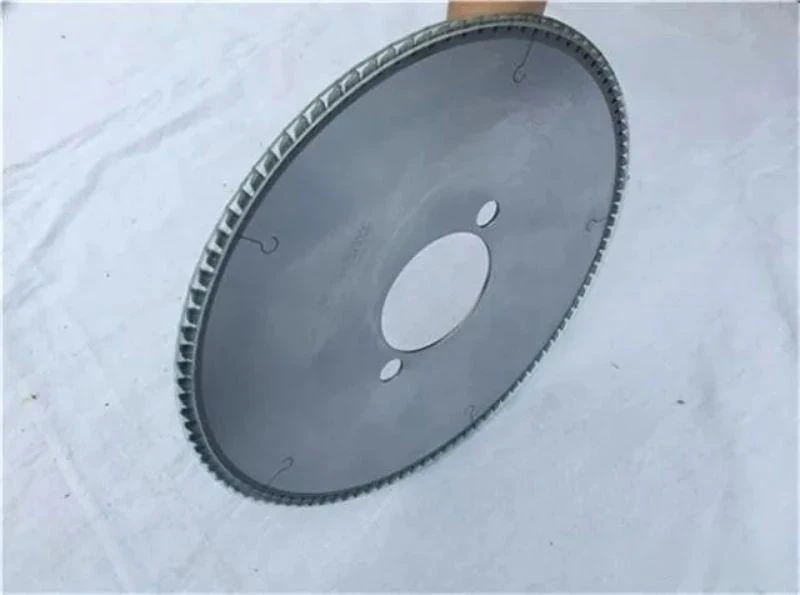
Do Diamond Tile Saw Blades Wear Out?
Introduction: Diamond Tile Saw Blades in Material Processing
Thousands of known materials exist on the Earth. Humans create many multi‑edge cutting tools to make full use of these natural materials.
Among hundreds of multi‑edge tools, you can find many high‑performance products. The diamond tile saw blade stands out in material processing with its excellent cutting ability.
A Brief History of Diamond Tile Saw Blades
Compared with ordinary alloy saw blades, diamond tile saw blades have a short history. A French inventor created the earliest diamond saw blades. He fixed diamond segments to the saw‑blade base using manual tooth‑setting technology.
When diamond saw blades first came out, they cost a huge amount of money. Backward manufacturing skills limited their performance. They even had a shorter service life than common saw blades.
Later, powder metallurgy and laser welding technology brought great changes. These technologies greatly improved the performance and service life of diamond tile saw blades.
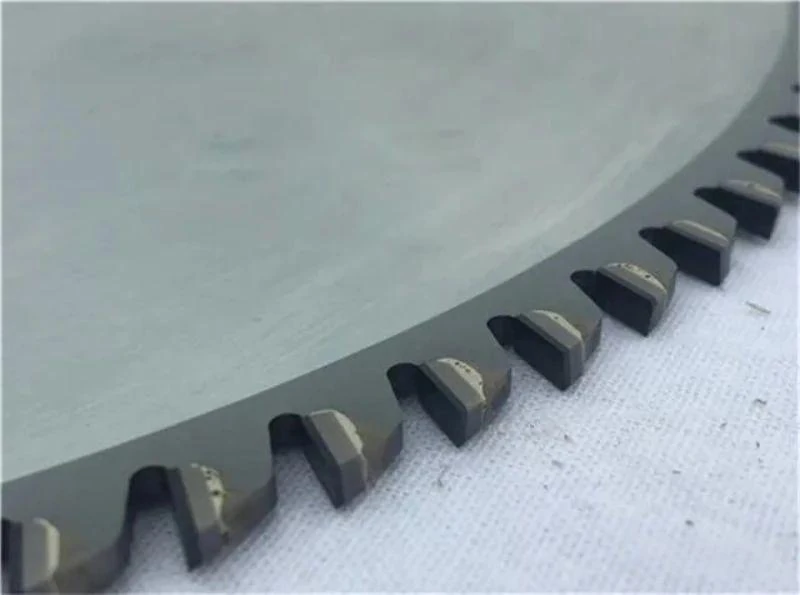
Common Trouble: Fast Blade Wear Increases Production Costs
Today, many workers in material‑processing industries know that diamond tile saw blades deliver strong cutting power yet carry high purchase costs.
However, complex working conditions often make factory diamond saw blades wear out too fast. If you cannot solve this short‑service‑life problem, your spending on new saw blades will rise sharply.
So you must pay close attention when your diamond saw blades wear much faster than usual. High blade consumption will greatly raise a company’s production costs.
Two main factors cause fast blade wear: poor original blade quality and delayed treatment after wear occurs.
- Choose a Reliable Saw‑blade Supplier
You can take practical solutions after you learn these causes. Great blade quality is the key to reduce serious wear.
For companies that use diamond saw blades, picking a trustworthy supplier is very important in the mixed‑quality market.
Do not cooperate with suppliers who cannot offer original factory quality guarantees or do not own their own production workshops.
- Reuse Worn‑out Blades through Sharpening
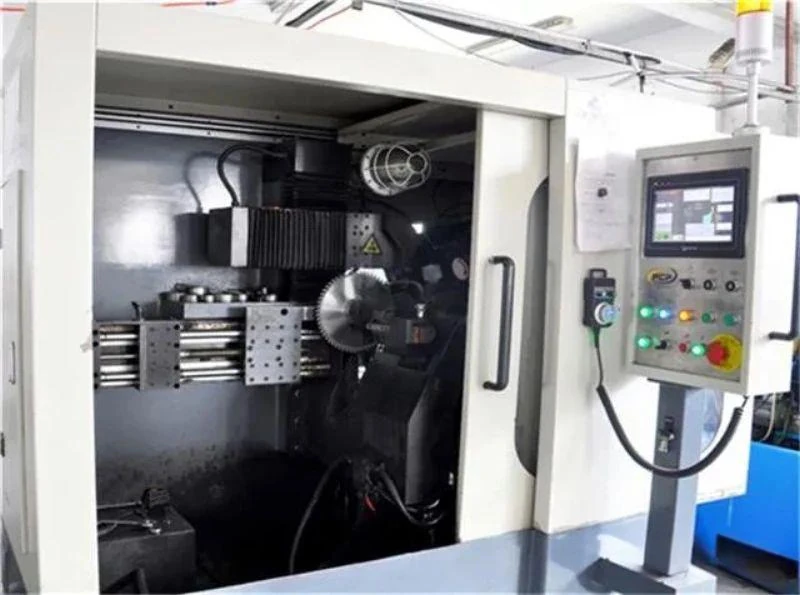
Besides picking a good supplier, sharpening works very well when diamond saw blades become worn. Sharpening lets you put worn blades back into service.
You waste their remaining value if you throw blades away right after they wear. Sharpening helps you make full use of every diamond saw blade.
Proper sharpening can restore over 80% of a blade’s cutting performance and greatly improve the reusability of diamond tile saw blades.
Sharpening provides better support for factories that do heavy cutting work with diamond saw blades. They can send worn blades back to manufacturers for sharpening service.
- Complete Cooling and Lubrication during Operation
Apart from buying high‑quality blades and doing regular sharpening, you must cool and lubricate diamond tile saw blades in daily cutting work. High‑speed friction and continuous mechanical operation will generate huge heat during tile cutting, which easily damages the diamond segments and blade base without proper maintenance.
Without effective cooling, strong mechanical impact will make blades wear out frequently. This frequent abrasion will reduce cutting efficiency, affect cutting flatness and greatly shorten the service life of diamond tile saw blades. Many companies adopt the minimum‑quantity lubrication method to fix this problem. This simple and practical method cools the blade surface in real time, reduces friction loss, stabilizes the cutting state, and further lowers the overall wear degree of the saw blade during long‑term processing.
Summary
All in all, diamond tile saw blades are cutting tools by nature. You cannot avoid wear once you put them into use. The above methods can effectively lower the total consumption of saw blades. You will extend blade service life, cut your production expenses and get stable cutting results if you follow these practical suggestions in your daily processing work.