-
Blake.Chu sales consultant
-
Email: 113217160@qq.com
-
Phone/WeChat +86 19129108136
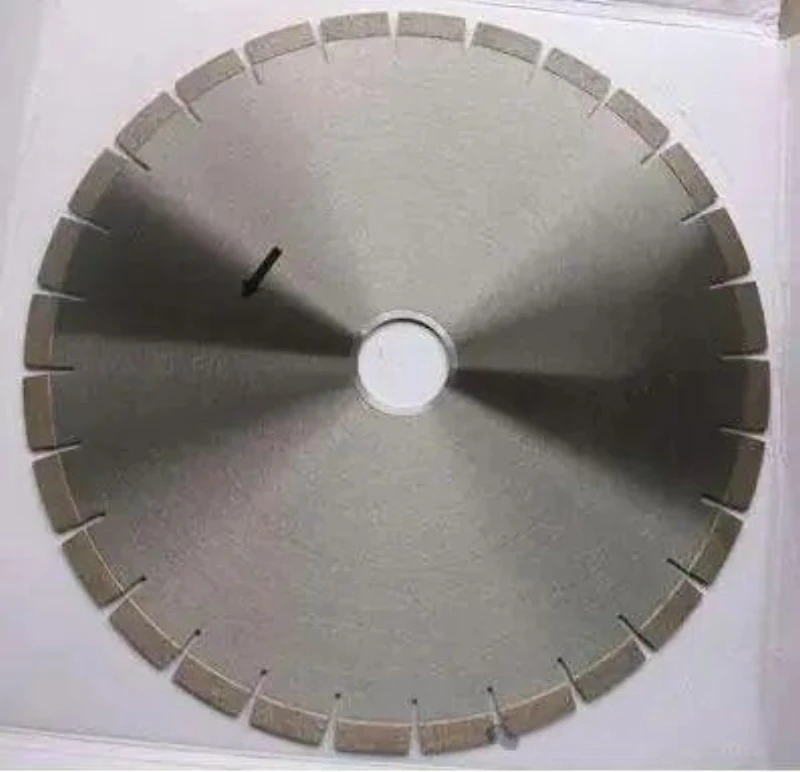
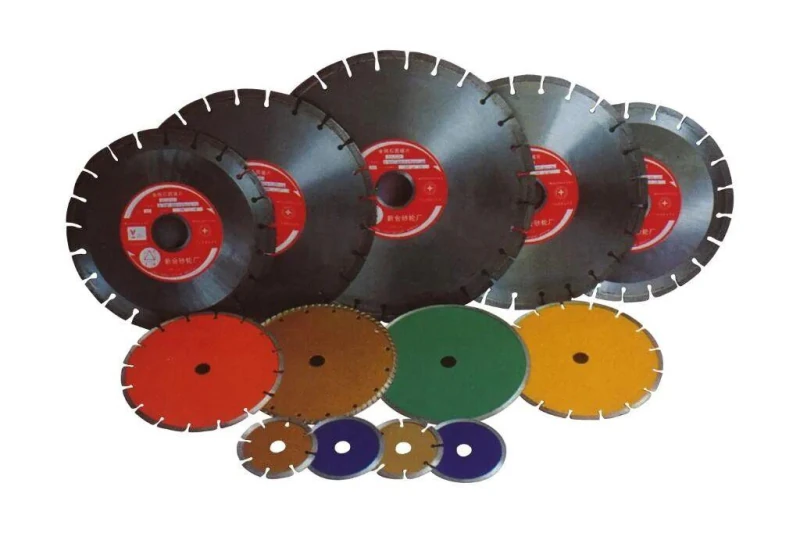
Circular Diamond Saw Blade
Usage and Features
We weld diamond segments onto the outer teeth of the saw‑blade base, and we get a circular diamond saw blade. You mainly use it to cut hard and brittle non‑metal materials such as stone, cement products, glass and fire bricks. You can mount it on single‑blade cutting machines or combined cutting machines.
We design and make this saw‑blade base based on local saw‑machine and stone‑processing conditions in our country. We also learn good features from similar foreign products. It has high manufacturing accuracy, good stiffness and toughness, low deformation risk, good thermal stability, long service life and allows repeated re‑welding. It is a great choice for diamond‑saw‑blade processors and stone factories.
Working Principle
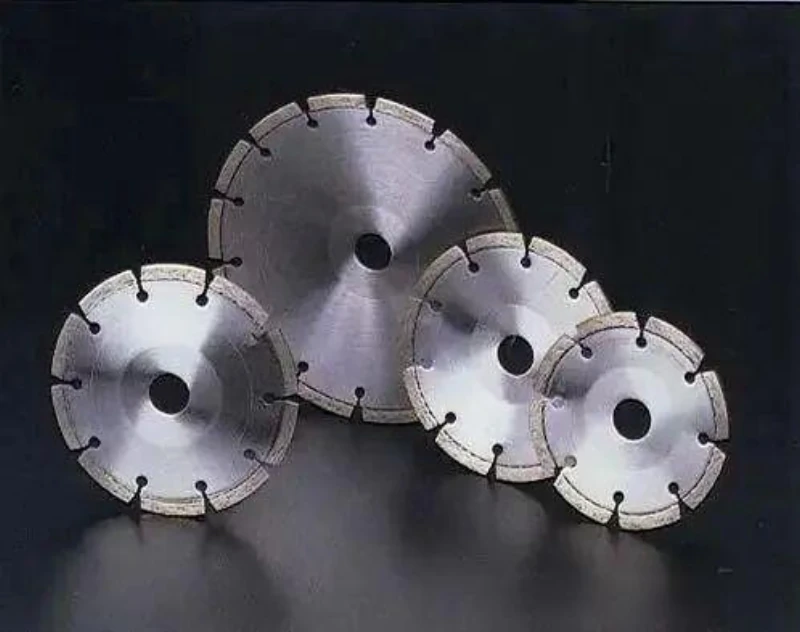
You fix the finished circular diamond saw blade on the cutting machine. The blade spins at high speed. It makes horizontal and vertical back‑and‑forth moves. Diamond cutting parts spread evenly around the blade. They cut granite and marble into stone slabs.
Transportation and Storage
YYou must handle the Circular Diamond Saw Blade base gently. For transport, you use two common ways: horizontal placement or vertical hanging.
When you transport it horizontally, lay the base on wooden pallets or flat rubber pads. Fasten it with bolts through its process holes. Never place the base directly on the truck floor.
When you transport it vertically, lock the base through its process holes. Stop different bases from hitting each other during transit. For small‑diameter bases, group 5‑10 pieces together. Pack them with paper or wooden cases before shipment.
Before storage, you coat the base with anti‑rust oil. Lay it on a flat surface or hang it in dry and well‑ventilated places. Keep it away from shock, strong sunlight and heat sources. Do not lean it against walls. Long‑time leaning will cause deformation or rust.
Brazing Processing for Circular Diamond Saw Blade
Check the Circular Diamond Saw Blade base against manual requirements and make sure it qualifies. Then pick matching diamond segments for brazing. Rule: the segment width must be at least 1.27 times the base thickness. Clean the base before brazing. Follow these key points during brazing:
- Choose segments that fit your cutting materials. Weld segments flat onto the base teeth. Good‑quality segments decide cutting efficiency and base service life.
- Your brazing tool should adjust segments in radial and circular directions. It guarantees accurate symmetry on end face and circumference.
- You can use high‑frequency induction power for brazing. Select proper silver brazing sheets with silver content no less than 35 %. Tightly control temperature and time. Keep brazing temperature between 600 ℃ and 800 ℃. Do not heat single teeth too long or at too‑high temperature. Over‑heating connects induction zones and causes bad blade deformation, which makes the whole blade useless.
- To reduce base deformation in normal brazing and extend service life, use skip‑tooth brazing or diagonal brazing methods.
- Leave the blade on the brazing frame for over 2 hours for natural cooling. Then hang the blade vertically for air cooling. Never use fast‑cooling methods. For example, do not blow compressed air or pour water on welded teeth. Fast cooling makes segments fall off and ruins the blade. For best working performance, hang and cool the blade for more than 10 hours before use.
- Before you use this base, check flatness and axial run‑out. They must meet the original base requirements before brazing. Blade tension also needs to satisfy working demands.
If you need repairs after brazing inspection for this Circular Diamond Saw Blade, ask professional workers or contact our after‑sales team. Remember to mark the blade rotation direction. If you use unrepaired blades and meet quality failures, our company takes no legal responsibility for such accidents.
Operation Notes
- Circular Diamond Saw Blade Installation
Blade‑installation accuracy of the Circular Diamond Saw Blade strongly affects cutting efficiency, cutting quality and service life. To make the blade run smoothly without shaking, follow these rules:
- Use 400# diamond abrasive cloth to clean the spindle mounting hole and flange surface. Remove all burrs and dirt.
- Tighten flange bolts. Manually check axial run‑out and radial run‑out of the circular blade.
- Never mount the blade directly on spindle screws. If you cannot avoid this situation, use combined‑type flanges instead.
- For safe work, make flange diameter at least one quarter of the blade diameter. Do not use too‑small flanges.
- Blade Sharpening for New Blades
Before you use a new blade, cut highly‑abrasive materials such as fire bricks. Expose most diamond grains on segment surfaces. Then you can start cutting work.
- General Notes
- When you install the blade, match its rotation direction with the arrow on the machine guard. Keep the same rotation direction for the whole service time. If you reverse direction, diamond grains easily fall off and shorten blade life.
- Place stone materials firmly. Do not suddenly increase feed speed. Sudden force may bend or crack the blade.
- Start cutting with slow feeding. Do not push the machine hard, or you will damage the blade.
- Never cut without cooling‑water supply. If water flow or water pressure drops, stop the machine right away for inspection. Your cooling system must satisfy all these conditions:
- Use U‑shaped cooling system to cool both sides of the blade.
- Lead cooling pipes to the blade center. Coolant flows along the tangent direction onto the blade surface.
- Locate pipe holes correctly. Coolant hits the blade center at 45°‑60° angles.
- Choose proper hole numbers. Coolant flows through the whole pipe and sprays toward blade center under 0.2 MPa pressure.
- Keep good installation accuracy for better cutting quality, higher efficiency and lower blade loss. Fix stone workpieces tightly. If you notice machine shaking or unstable blade movement, stop work. Check the machine, diamond segments and base.
- After long‑time use, higher main‑motor current means segments turn dull. Stop the machine and check segments. Replace segments if diamonds break or fall off early. If segments stay intact, sharpen them with fire bricks. Sharpening method: Place fire bricks at cutting gaps. The running machine sharpens the blade automatically. Lower traverse speed. High electric current will break the base and machine.
Common Problems and Solutions (For Reference Only)
| Problem | Possible Causes | Solutions |
|---|---|---|
| Uneven thickness of cut stone slabs | 1. Improper blade tension2. Loose screws on carriage lead‑screw bearing base3. Poor level accuracy of guide rails4. Large gap between lead screw and nut; operators do not clear gaps during work5. Loose nut clamping; parts shake6. Misaligned guide rollers7. Too large axial run‑out of blade8. Asymmetric welding between segments and base9. Raw stone block smaller than 0.05 m³10. Loose transmission chain | 1. Re‑adjust blade tension2. Tighten adjustment bolts3. Check straightness with pull‑wire method. Keep error within 0.5 mm. Level error shall be less than 1 mm4. Clear gaps in one fixed direction in operation5. Tighten clamping nuts6. Loose nuts and re‑align guide rollers7. Level the blade and pass inspection8. Re‑weld segments or replace the whole blade9. Use raw stone blocks larger than 0.5 m³10. Adjust chain tightness |
| Heavy shaking during machine running | 1. Too big clearance of spindle bearing2. Broken spindle bearing causes unstable blade movement3. Too large radial run‑out of blade | 1. Open spindle‑box cover and adjust nuts2. Take apart spindle‑box, inspect and replace spindle bearings3. Check blade radial run‑out and change blades |
| Uneven segment height after usage | 1. Too big clearance of spindle bearing2. Large radial run‑out; poor center‑hole precision | 1. Open spindle‑box cover and adjust nuts2. Inspect and replace the blade |
Summary
This Circular Diamond Saw Blade base features high precision and great toughness. When you weld diamond segments on it, you get a long‑life cutting tool for stone‑material processing. You must follow correct transport, storage, brazing and operation steps to avoid faults and get stable cutting performance.