-
Blake.Chu sales consultant
-
Email: 113217160@qq.com
-
Phone/WeChat +86 19129108136
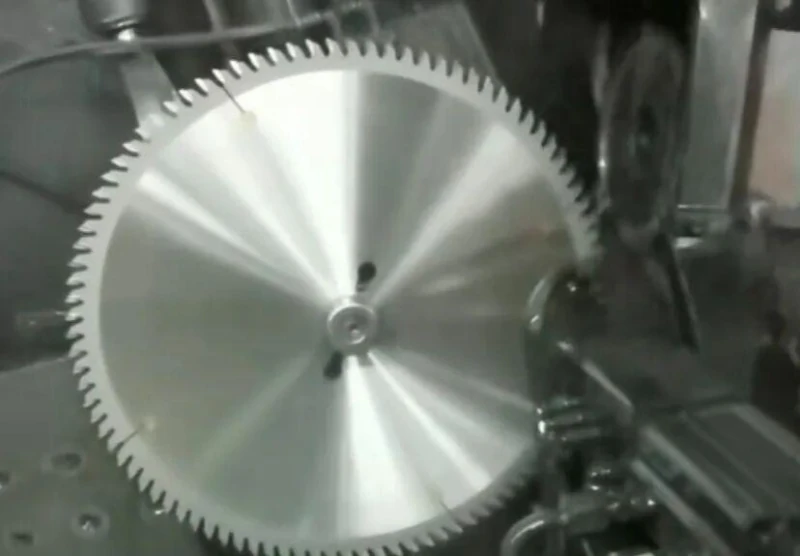
How to sharpen a diamond saw blade
Saw blades gradually wear out after long-term cutting work. Worn blades cause poor cutting quality, rough material surfaces and higher machine power consumption. Professional and standard regrinding can restore blade sharpness, extend service life and help factories save replacement costs. This article introduces the correct sharpening methods, complete grinding processes and key safety notes for both carbide saw blades and diamond saw blade products used in industrial cutting work.
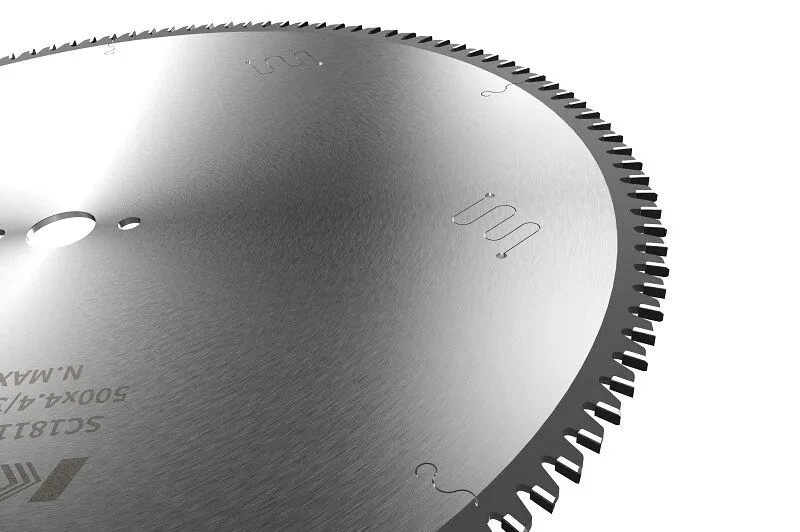
How to Get the Best Results When Sharpening Saw Blades
We have two common types of saw blades: carbide saw blades and diamond saw blades. You must send them to professional sharpening workshops or return them to the original factory for regrinding. Never try to sharpen the teeth by hand. Improper manual grinding will damage the blades and make them unusable, especially for high-precision diamond saw blade cutting tools.
Professional saw blade sharpening machines are necessary for tooth grinding. These machines have strict requirements for grinding wheels, motors and worktables. You also need suitable grinding fluid (cutting fluid). The fluid cools the blade segments, makes cutting surfaces smoother and improves the overall grinding effect.
The clearance angle of saw teeth needs grinding just like the rake angle. If the clearance angle is too blunt, the cutting performance of the saw blade will drop sharply.
Saw Blade Regrinding Process
Brief introduction to the grinding workflow
Here we introduce the grinding steps, inspection standards and related technical requirements.
- After we receive the saw blades waiting for grinding, we first build special files for each customer’s products. We soak all saw blades in warm water at 50°C for 30 minutes, then clean them to remove rust and sticky waste materials. We carry out a basic visual inspection. If some blades have obvious damage and cannot be reground, we mark them with the customer’s number after cleaning and place them in the return area. We will send these defective blades back together after finishing all grinding work.
- Next, we use measuring instruments to check all angles, including the tooth rake angle, clearance angle and side angle. We check for cracks and missing tooth tips. Then we place the blades under a projector and magnify them 50 to 100 times. In this way, we confirm the original tooth angles and the wear condition of the saw blades. If only small parts of teeth are missing, we can increase the grinding amount properly to lower our customers’ production costs.
- If some saw teeth need replacing, we use an imported fully automatic tooth brazing machine for tooth replacement work.
- Then we perform stress correction on the saw blade. This is a very important step during grinding and only experienced technicians can finish it well. When a saw blade runs at high speed, external force changes its internal stress. This leads to wider cutting paths and rough cutting surfaces. We carry out stress adjustment at least twice. If we can adjust the blade stress within the standard range, we move on to the next process. If not, we actively contact customers and ask for their opinions. If the customer still wants grinding service, we carry out precise regrinding.
After finishing regrinding, we put detailed data of blade deviation inside the package together with the saw blade.
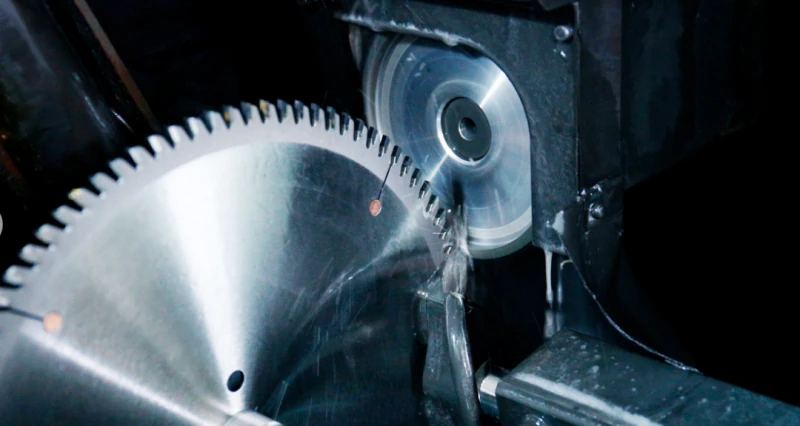
Important Notes During Saw Blade Regrinding
-1. When you use a saw blade for a long time, you may get poor cutting results such as material chipping and rough burrs. The cutting machine also consumes much more power. At this time, you need to arrange regrinding immediately.
-2. Use precise, stable and vibration-free fully automatic CNC tooth grinding machines for saw blade regrinding. Prepare suitable diamond grinding wheels. You must follow standard operating steps. Do not use simple manual grinding equipment.
-3. Before regrinding, we use professional equipment to wash away resin scraps and other dirt stuck on the saw blades.
-4. During sharpening, strictly follow the original geometric design angles. We suggest grinding both rake angles and clearance angles. This method helps the saw blade achieve the longest service life.
Conclusion
Professional saw blade regrinding is essential for stable cutting performance and long blade life. Standard cleaning, angle detection, stress correction and strict operating rules prevent blade damage and ensure ideal cutting results. Proper regular regrinding effectively reduces factory costs and maximizes the use value of carbide saw blades and professional diamond saw blade products.