-
Blake.Chu sales consultant
-
Email: 113217160@qq.com
-
Phone/WeChat +86 19129108136
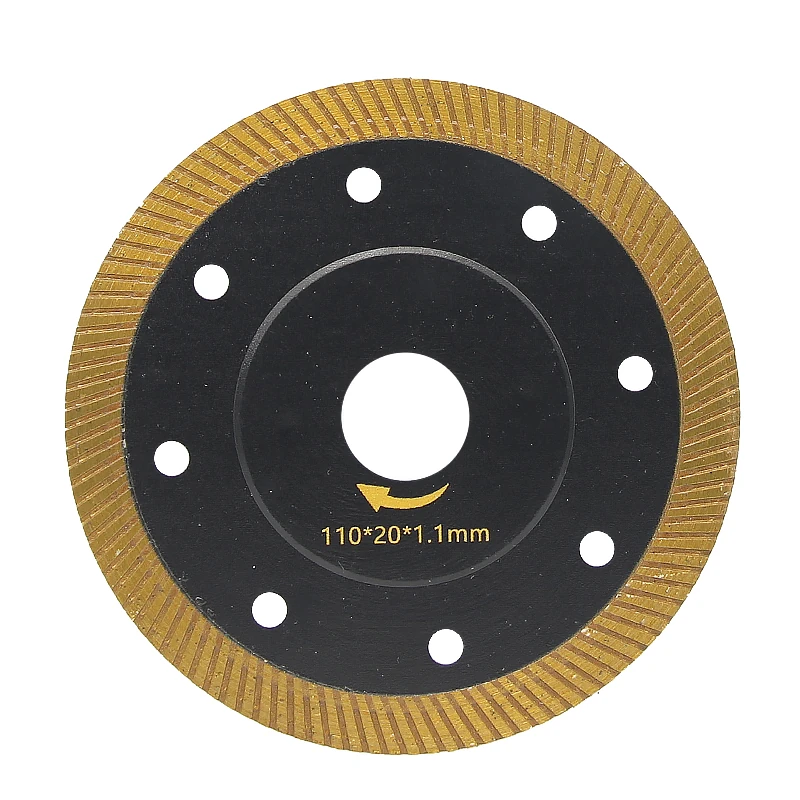
Hybrid Diamond Saw Blade Stone Cutting
1. What is a composite stone diamond saw blade?
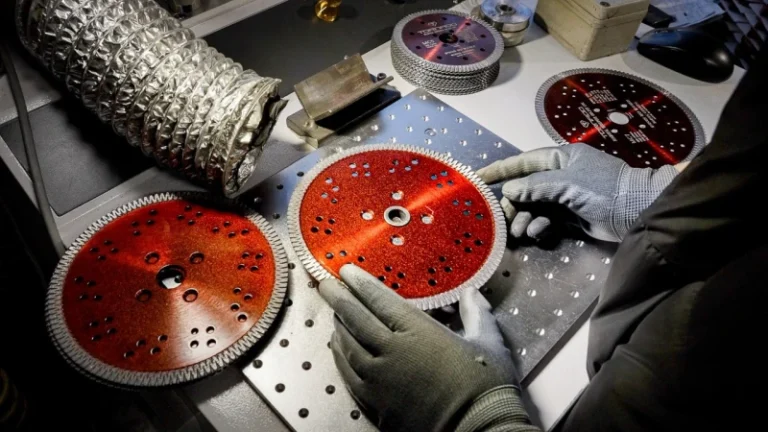
A composite stone diamond saw blade is a professional diamond cutting tool customized for artificial stone and composite stone processing, consisting of a high-strength steel matrix and diamond segments. The segments adopt optimized mixed metal bond paired with graded synthetic diamond abrasive particles, which perfectly adapts to composite stone materials with mixed hardness and internal resin adhesive layers. In contrast, ordinary stone saw blades feature single matrix formula, which easily causes common processing defects including glazing, edge collapse, resin melting and edge pasting during composite plate cutting.
This professional saw blade optimizes core parameters including diamond concentration and matrix hardness, with factory-precise dressing finished in advance to support stable wet cutting operations. It is compatible with mainstream materials such as quartz stone and composite marble, balancing efficient cutting performance and flat cut surface. For reliable multi-type composite stone processing, users can choose professional stone diamond saw blades to meet diversified processing demands. This tool is widely applied in professional stone processing factories and on-site decoration construction scenarios.
2. The core reason why diamond saw blade becomes the first choice for stone cutting
Stone belongs to high-hardness brittle nonmetallic materials with compact internal crystal structure, leading to rapid tooth collapse and severe wear of traditional cemented carbide saw blades and ordinary grinding blades during processing. Differently, diamond saw blades consolidate artificial diamond abrasive particles inside metal bond, realizing material removal through abrasive grinding instead of traditional shearing cutting, which is highly compatible with stone processing characteristics.
Diamond features ultra-high Mohs hardness and endows the saw blade with excellent self-sharpening performance. The matrix wears gradually during operation to continuously expose fresh diamond abrasive particles, effectively inhibiting tool glazing and passivation and maintaining consistent cutting stability.
Reasonable blade selection can reduce cutting vibration, minimize edge collapse defects and simplify subsequent trimming procedures. Although the one-time procurement cost is relatively high, a single diamond saw blade delivers large cutting capacity and reduces frequent tool replacement. Cooperated with professional wet cooling technology, it controls cutting heat effectively and prevents plate thermal burn and resin layer melting, making it the preferred processing tool for natural and composite stone.
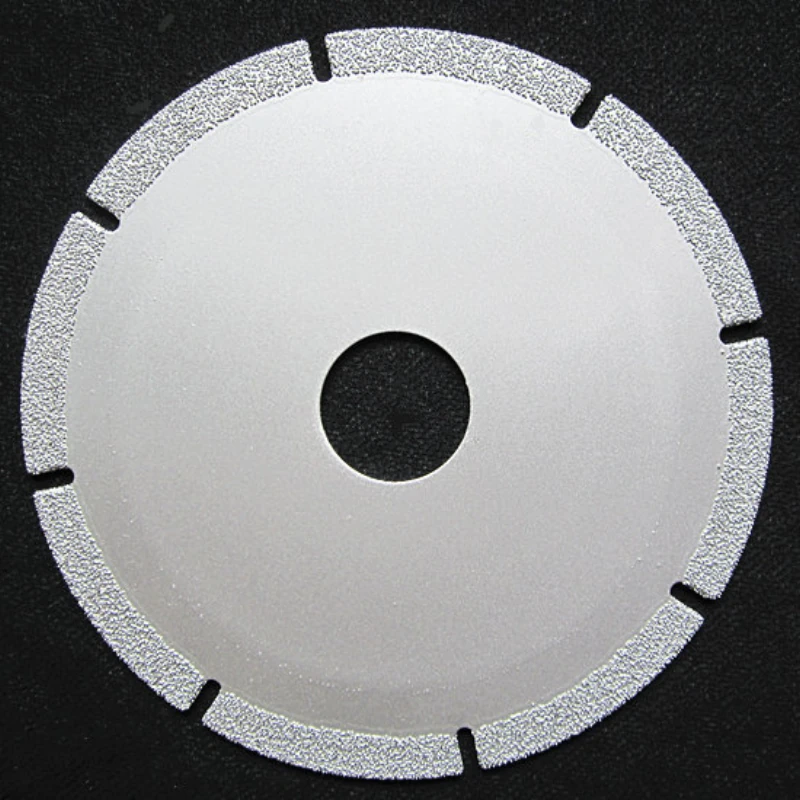
3. Introduction of mainstream types of stone diamond saw blades
Classified by cutting edge structure, mainstream stone diamond saw blades are divided into four categories: segmented, turbine edge, continuous edge and electroplated diamond saw blades, and each structure matches exclusive stone processing working conditions.
3.1 Segmented saw blade
The cutting edge is designed with spaced chip removal grooves, enabling fast matrix wear and strong self-sharpening performance. It is applicable for dry and wet rough cutting of hard materials such as granite, limestone and concrete. This blade boasts outstanding chip removal and heat dissipation performance and high cutting efficiency, while retaining relatively higher cut surface roughness.
3.2 Turbine Edge Saw Blade
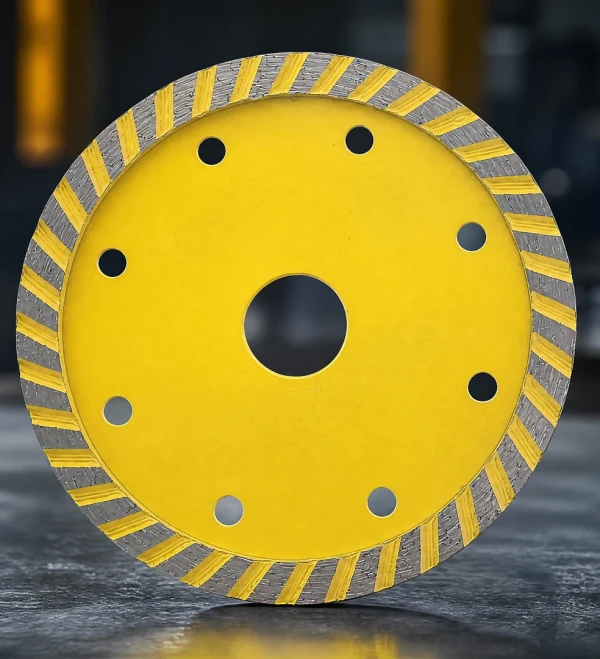
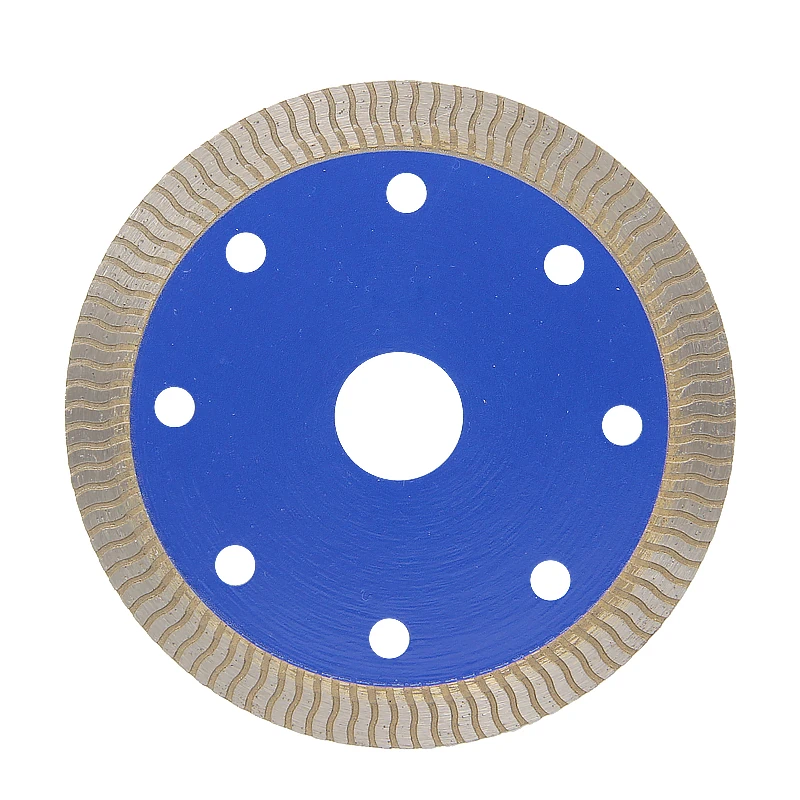
Adopting a serrated turbine edge structure, this blade balances heat dissipation effect and cutting surface quality. It is suitable for processing quartz stone, composite stone and marble, and is widely used for precision stone trimming and grooving operations.
3.3 Continuous edge saw blade
With an integrated notch-free cutting edge, this blade only supports wet cutting. It delivers ultra-smooth cut surfaces and is ideal for fine cutting of porcelain bricks, marble and thin composite stone, which significantly lowers the edge collapse probability of fragile stone materials.
3.4 Electroplated diamond saw blade
Diamond particles are stably electroplated and attached to the substrate surface with low diamond concentration. It is mainly used for precision finishing of thin stone plates and small-sized stone workpieces, adapting to small-batch stone finishing and special-shaped modeling cutting tasks.
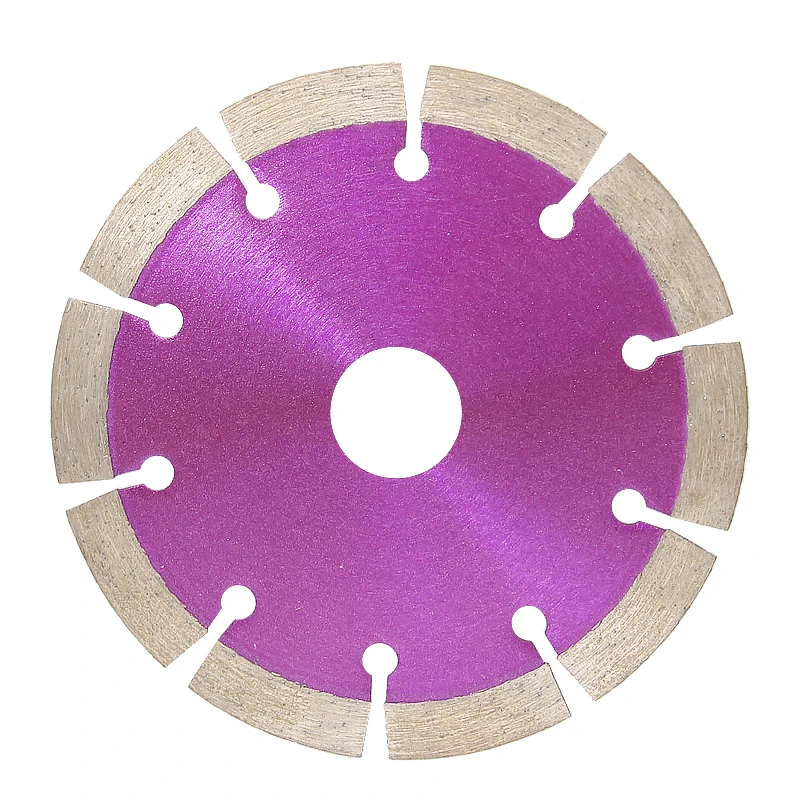
4. Types and characteristics of diamond saw blade bond
The metal bond (matrix) serves as the core carrier for fixing diamond abrasive particles, directly determining the saw blade’s self-sharpening performance, wear resistance and glazing tendency. Commercially available stone diamond saw blades are mainly divided into three types according to matrix hardness: soft matrix, medium matrix and hard matrix.
4.1 Soft matrix bond
The soft matrix features fast wear and rapid peeling speed, which continuously exposes new diamond abrasive particles and provides excellent self-sharpening performance. It is specially designed for high-hardness stones such as granite and quartz stone to effectively avoid blade glazing and passivation. Its main disadvantage is fast matrix consumption, resulting in relatively short overall blade service life.
4.2 Medium matrix bond
This matrix type achieves a balanced wear rate, taking both wear resistance and self-sharpening performance into account with the strongest versatility. It adapts to medium-hardness and uneven composite plates including marble, limestone and engineered stone, supporting both rough cutting and fine cutting. It is the most widely used bond type in professional stone processing plants.
4.3 Hard matrix bond
The hard matrix possesses superior wear resistance and slow loss rate, greatly extending the overall service life of saw blades. It is suitable for soft and strongly abrasive stones to prevent premature falling off of diamond abrasive particles. However, it has weak self-sharpening ability and is prone to glazing, requiring regular professional blade dressing maintenance.
5. Common stone types that diamond saw blades can process
Diamond saw blades complete cutting operations through the grinding effect of diamond abrasive particles consolidated by metal bond, covering two major processing categories: natural stone and artificial composite stone. Different stone materials require matched saw blades with targeted matrix formulas to guarantee processing quality.
5.1 Natural stone materials
Granite features high hardness and strong abrasiveness, requiring soft matrix diamond saw blades to prevent edge glazing. Marble is soft and brittle, and medium matrix saw blades with wet cutting mode can effectively reduce edge collapse. Limestone has loose texture, so hard matrix saw blades are adopted to avoid premature falling off of diamond abrasive particles. Travertine and slate are porous stones, and turbine edge saw blades are preferred to optimize chip removal and heat dissipation.
5.2 Artificial/Composite Stone
Quartz stone and engineered stone have high quartz content and high overall hardness, which require exclusive composite stone diamond saw blades for processing. Artificial marble and resin composite stone contain internal adhesive layers, so cutting heat must be strictly controlled during processing to prevent resin melting and edge pasting.
Selection Note: A single saw blade has limited material compatibility. Frequent switching cutting between hard and soft stones will accelerate blade wear and damage the flatness of the cut surface.
6. Five core advantages of composite stone diamond saw blade
6.1 Adapt to composite materials to inhibit glazing and passivation
Composite stone has mixed soft and hard textures and contains resin adhesive layers, making ordinary saw blades prone to glazing failure. This composite stone saw blade adopts optimized compound metal bond to control matrix wear rate stably. Fresh diamond abrasive particles can be continuously exposed during operation, maintaining stable cutting performance and reducing edge polishing and passivation phenomena.
6.2 Reduce edge collapse, and the quality of cut surface is excellent
The optimized segment structure and graded diamond particle size ratio reduce cutting vibration significantly. It effectively avoids edge collapse and corner missing of stone plates, controls cutting heat in real time, prevents internal resin melting and pasting of composite stone, and simplifies subsequent polishing processes.
6.3 Extensive material compatibility
A single composite stone diamond saw blade is compatible with multiple composite materials including engineered stone, quartz stone and artificial marble, eliminating frequent tool replacement. It supports alternating processing of multi-type plates in stone factories and effectively improves overall working efficiency.
6.4 Long service life and low comprehensive processing cost
The formula-optimized mixed matrix provides stronger diamond holding power and prevents premature falling off of abrasive particles. Compared with ordinary stone saw blades, it delivers longer cutting mileage under the same working conditions, reducing tool procurement cost and downtime loss caused by frequent blade replacement.
6.5 Strong adaptability for wet and dry cutting
This blade supports standard wet cooling cutting and partial dry cutting operations. Its excellent heat dissipation performance lowers the risk of high-temperature plate damage, adapting to diversified processing scenarios including factory assembly line production and on-site construction.
7. General application scenario of stone diamond saw blade
With stable grinding and cutting performance, strong material compatibility and high processing accuracy, stone diamond saw blades are widely used in stone processing factories, home improvement projects, prefabricated building material processing and municipal construction fields, serving as core universal tools in the modern stone processing industry.
| Application Scenario | Specific Processing Content |
|---|---|
| Stone Batch Processing Factory | Cutting, slicing, trimming and chamfering of natural marble, granite, limestone, artificial quartz stone and composite granite; applicable to large-scale cutting machines, bridge cutters and table saws for standardized mass production |
| Home & Tooling Decoration | Custom cutting of tabletop and wall tiles, special-shaped grooving and edge finishing; avoids edge sticking, collapse and burning of composite stone and artificial stone to ensure decoration finish quality |
| Municipal & Landscape Engineering | Processing and cutting of stone floor tiles, curtain wall stones and special-shaped stone components; adapts to batch processing and on-site fine cutting requirements |
8. Precision selection skills of stone diamond saw blade
The core selection principle of stone diamond saw blades is to match the saw blade matrix, cutting edge structure and diamond parameters according to processing materials, equipment conditions and technical requirements. Improper selection will easily cause blade glazing, edge collapse and premature scrapping. Users can master professional selection methods viadiamond saw blade selection guidelines to improve processing accuracy and blade service life.
First, confirm the processing stone type. High-hardness materials such as granite and quartz stone are matched with soft matrix saw blades to expose fresh abrasive particles continuously and avoid glazing and passivation. Medium and hard matrix saw blades are suitable for low-hardness stones like marble and limestone to prevent premature diamond particle falling off. For composite stone and artificial marble processing, exclusive mixed bond saw blades are required to control cutting heat and avoid resin melting.
Secondly, select cutting edge structure based on processing technology. Segmented saw blades are suitable for rough cutting for efficient chip removal and heat dissipation. Continuous edge or turbine edge saw blades are used for fine cutting and trimming to reduce edge collapse risks. Meanwhile, check equipment parameters to match the spindle aperture and rated speed, ensuring equipment and blade compatibility.
Finally, distinguish cutting modes. Wet cutting is matched with continuous edge saw blades, while dry rough cutting adopts segmented saw blades. For mass production, high diamond concentration saw blades are selected to extend service life; for small-batch precision processing, fine-grained diamond formulas are used to guarantee cut surface smoothness.
9. Product Parameter Specification
| Parameter Item | Technical Specification |
|---|---|
| Product Name | Composite Stone Diamond Saw Blade |
| Core Structure | Steel matrix + mixed diamond segments |
| Bond Type | Soft / Medium / Hard mixed metal bond |
| Processing Mode | Wet cutting / Partial dry cutting |
| Applicable Materials | Granite, marble, limestone, quartz stone, engineered stone, resin composite stone |
| Core Advantage | Anti-glazing, anti-collapse, high compatibility, long service life |
| Applicable Equipment | Bridge cutter, table saw, handheld cutting machine |
10. FAQ
Q 1: What is the best type of saw blade for cutting stone?
Answer: The optimal saw blade depends on processing materials and technologies. Segmented blades apply to rough cutting, continuous edge blades for fine cutting, and exclusive diamond saw blades for composite stone processing.
Q 2: Can a diamond blade be used to cut stones?
Answer: Yes. It adopts diamond abrasive particles consolidated by metal bond for grinding cutting, and matched matrix formulas are required to prevent blade glazing.
Q 3: What is the best diamond blade for cutting limestone?
Answer: Hard matrix segmented saw blades are the best choice to reduce premature abrasive particle shedding.
Q 4: Can diamond blades cut all kinds of rocks?
Answer: Diamond blades can process most rock materials, and different rock types need matched professional matrix formulas.
Q 5: What is the main purpose of stone diamond saw blade?
Answer: It is mainly used for cutting, trimming, chamfering and grooving of natural stone and artificial composite stone.
Q 6: Can a diamond saw blade cut granite?
Answer: Yes. Soft matrix segmented saw blades with wet cutting operation are recommended to avoid glazing and passivation.
Q 7: What kind of diamond saw blade is suitable for cutting marble?
Answer: Medium matrix saw blades with turbine rim or continuous rim are ideal for marble cutting to reduce edge collapse.
Q 8: How long is the service life of stone diamond saw blade?
Answer: The service life is determined by stone hardness, cooling mode and cutting feed parameters.
Q 9: Why do stone processing plants generally choose diamond saw blades?
Answer: Diamond saw blades feature excellent self-sharpening performance, stable cutting effect and lower comprehensive processing cost.
Q 10: Can a single diamond saw blade cut a variety of stones?
Answer: It supports limited multi-stone compatibility. Frequent switching between hard and soft stones is not recommended to avoid matrix wear imbalance.