-
Blake.Chu sales consultant
-
Email: 113217160@qq.com
-
Phone/WeChat +86 19129108136
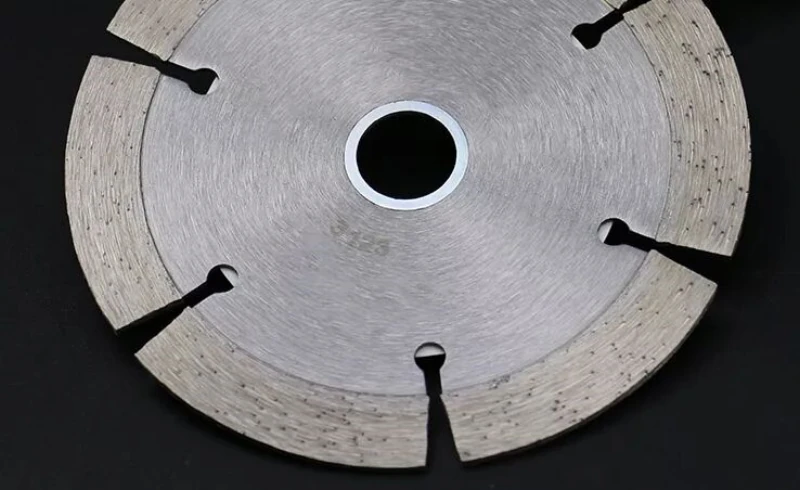
What Do Diamond Saw Blades Look Like
Segment Structure of Diamond Saw Blade
Segment structure includes the outer shape and inner composition of cutting segments on diamond saw blades. It belongs to industrial design and covers many aspects. Plenty of practical tests prove that structure greatly affects the real‑world performance of cutting segments. We improve segment structure to make full use of its potential performance, avoid bad working conditions, and balance grain size and service life.
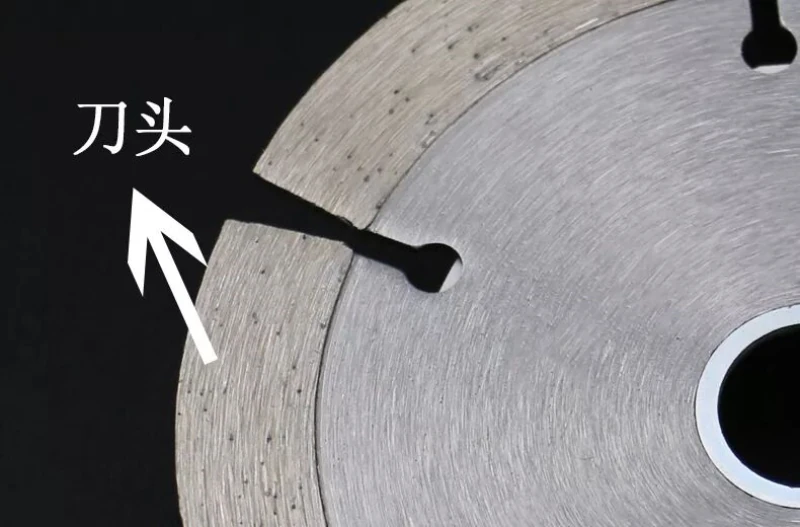
When optimizing segment structure, we consider matrix material, diamond grit, work materials, processing machines and cutting methods. The improvements mainly solve two key problems: boost system stability and create better cutting conditions.
To improve system stability, we let different parts of the segment wear at different speeds and form positioning grooves. These grooves reduce vibration, lower impact force on diamond grits, and extend segment service life.
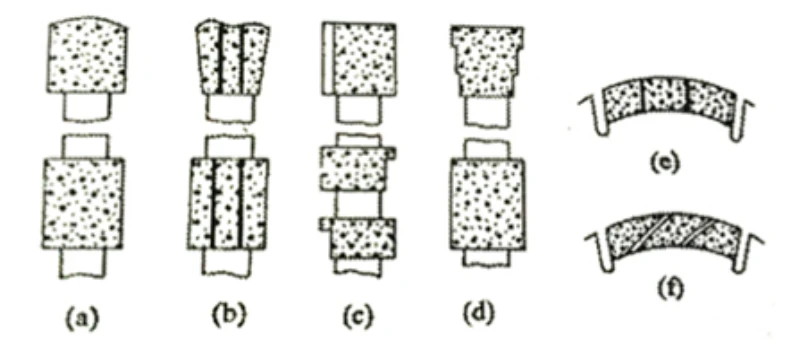
We often use these two methods:
- Change the outer shape to make a concave structure. Common types include H‑shaped segments, concave segments and hollow‑frame segments. This design reduces wear‑resistant contact area in the middle zone.
- Adjust matrix ingredients and diamond layout in different areas to build multi‑layer sandwich structures with different wear‑resistant strength. Practical experience shows that the depth, width and shape of positioning grooves change force load on diamond grits. We need to match these designs with work materials for best results.
Better cutting conditions mean the segment shape helps chip removal, cooling, lubrication and friction reduction during cutting. Typical examples are wave‑shaped segments for side chip removal, segments with pre‑set cooling holes, trapezoid segments for lower side friction, and segments with built‑in solid lubricant.
Why Do Segments Come in Different Shapes
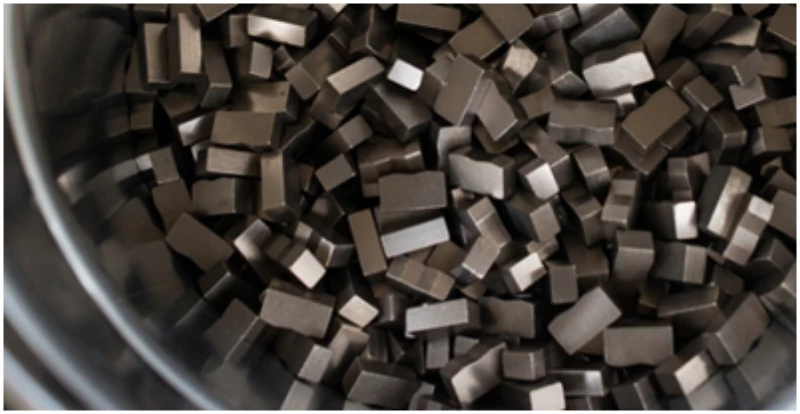
Different geometric shapes of diamond segments directly decide cutting performance of diamond saw blades. They play a vital role in longer service life and sharper cutting ability. Different segment shapes change cutting efficiency and the rate of unexpected diamond damage. Widely‑used shapes are normal convex segments, layered sandwich‑style concave segments, L‑shaped segments, step‑shaped segments, split segments and side‑slot segments.
Designers shape diamond segments to strengthen chip holding and removal, improve cooling and lubrication in cutting zones, lower friction between segments, stone and cutting debris, and enhance diamond cutting power. These changes cut energy consumption and lift overall saw‑blade performance.
Early circular diamond saw blades used simple uniform rectangular segments. After working for some time, the two sides wore heavily while the middle part stayed almost intact. The cross‑section turned convex. Larger contact area between segments and stone made diamond grits turn blunt easily. Higher cutting force also bent the saw‑blade base. Processed stone plates became uneven in thickness. The metal base could not be reused many times and wore out fast. To fix these problems, factories developed layered concave segments.
Layered concave segments have these features:
- The outer bonding layer contains higher diamond concentration than the middle layer.
- The outer bonding material offers better wear resistance than the middle layer.
- Diamond grits in the outer layer have higher grade than those in the middle layer.
- Structural design makes the middle layer shorter than the outer layer, such as hollow‑frame shape, H‑shape or other middle‑slot styles.
- Add non‑working layers inside multi‑layer structures and adjust the width ratio between working layers and non‑working layers.
Cutting conditions vary greatly in real work, so people adjust segment shapes and structures for different cutting tasks. Molds for sintering diamond segments are mostly custom‑designed by each manufacturer, with no universal standard. Besides, most choices for bonding agents, segment shapes and parameters come from practical experience instead of complete strict theoretical support.
Summary
Diamond saw blades look like various geometric styles with optimized segment structures to achieve stable cutting, low friction and long service life for diverse stone processing work.