-
Blake.Chu sales consultant
-
Email: 113217160@qq.com
-
Phone/WeChat +86 19129108136

What’s the Best Circular Saw Blade for Diamond Cutting
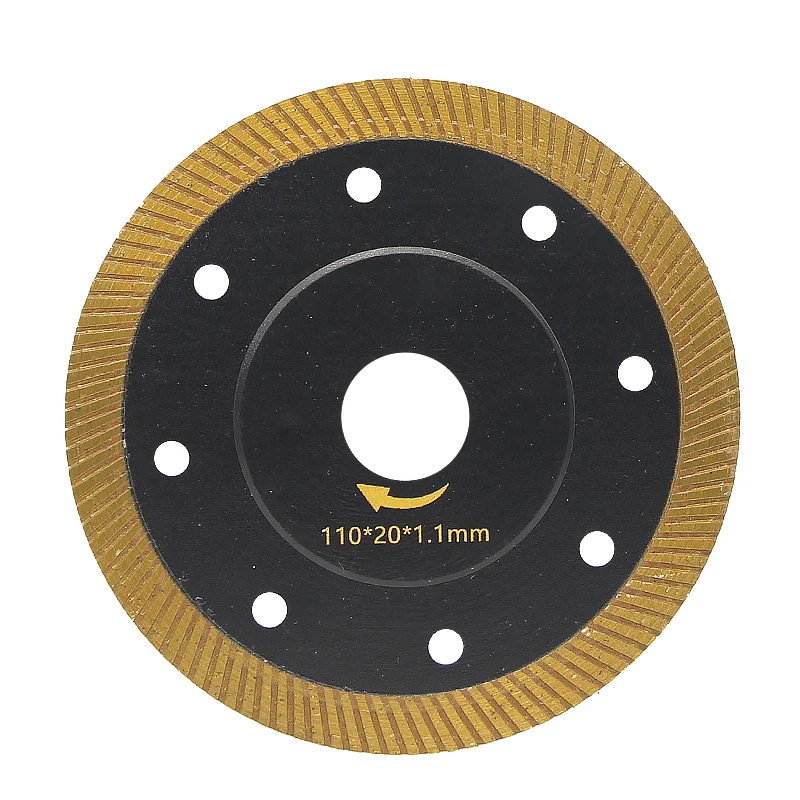
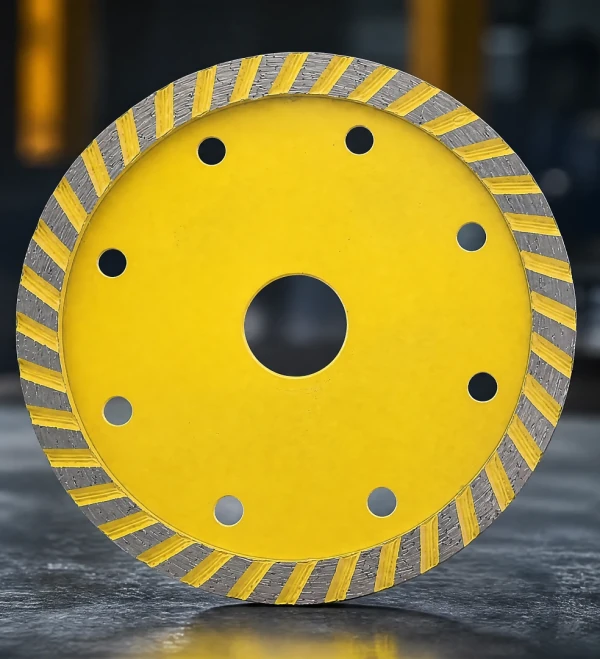
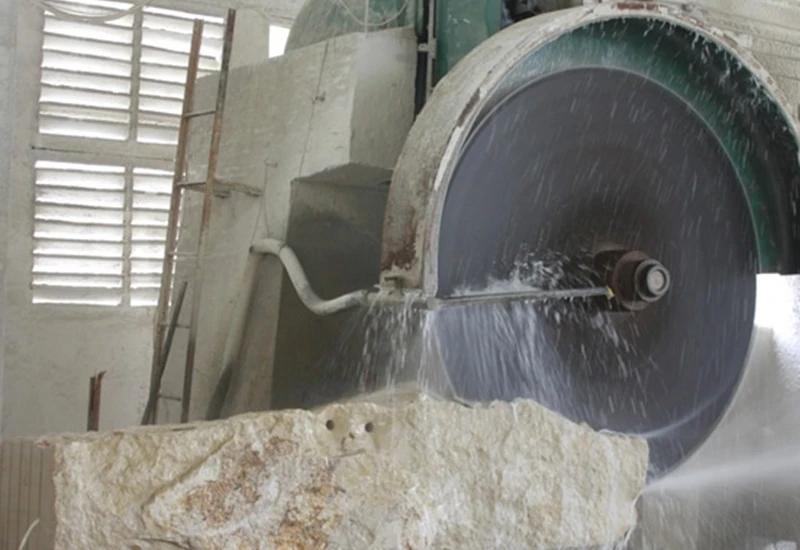
Thin‑body diamond circular saw blades play an important part in stone production with circular saw machines. They cut down costs and raise working efficiency. Below are practical suggestions on how to use thin‑body diamond circular saw blades.
Why Choose Thin‑body Diamond Circular Saw Blades
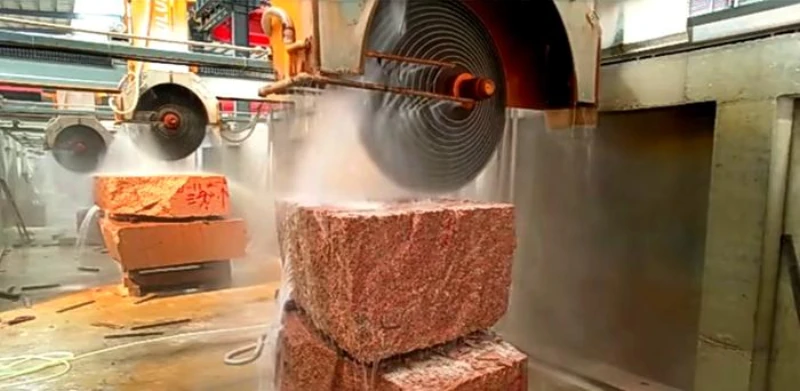
In stone production with circular saws, people always want to lower production costs and improve working efficiency. First of all, you need to think about the yield rate of raw stone blocks. This matters especially for costly imported stone blocks.
When you use thin‑body diamond circular saw blades, the yield rate of raw stone can rise by more than 5 %. It cuts your raw‑material cost. Thinner saw blades also mean thinner segments. You spend less on segment materials and save water and electricity costs at the same time.
Thin‑body diamond circular saw blades greatly reduce overall production costs. You can save 10‑40 yuan per square meter. For this reason, stone factories using circular saws have a growing demand for thin‑body diamond circular saw blades.
Sharpness of Diamond Segments Is the Top Priority
A thinner saw‑blade base brings lower mechanical rigidity. To keep the same cutting performance as standard‑thickness blades, you must meet certain standards for rigidity, hardness and end‑run‑out. Above all else, you need sharp diamond segments.
Five key points help you get sharp diamond segments:
- Use diamond grains with 1‑2 kg higher strength than grains for standard segments.
- Raise the share of coarse‑size diamond grains. Make 40/50# grains take up over 60 % of total diamond content.
- Keep diamond concentration below 25 %.
- Pick suitable bond formulas. Choose low‑temperature metal binders that open easily and do not drop grains too fast.
- Shorten segment length. Change standard 24 mm segments to 21 mm.
Lower Input Power
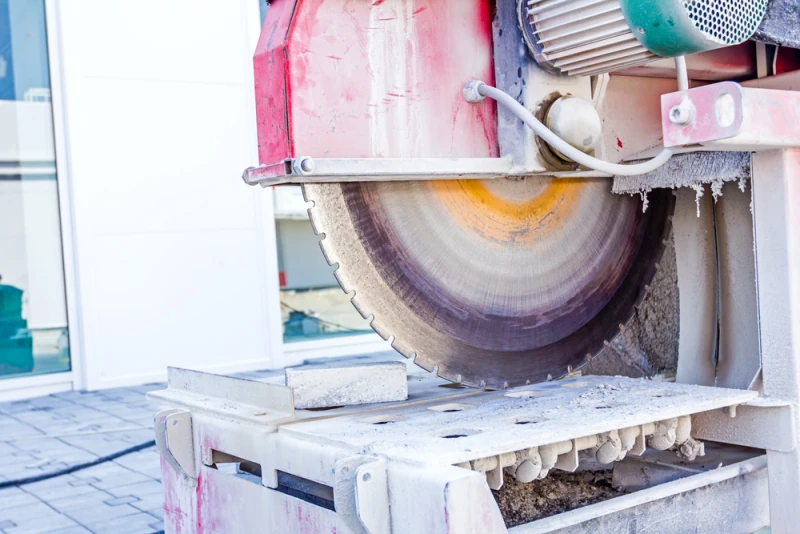
Thinner blade bases have weaker rigidity and bear smaller torque. Thinner and shorter cutting segments create less cutting resistance. Sharp segments further reduce cutting force and resistance.
Most original main motors run at 30 kW. You can switch to 22 kW motors and keep electric current around 35 A. You still get the same output as standard‑thickness blades.
Avoid Harm from Thermal Stress
When you weld segments onto thin‑body blades, use low‑temperature silver solder sheets. Heat only long enough to melt the solder sheet. This keeps the heat‑affected zone small.
Use skip‑welding methods. Skip one or two teeth each time and weld around the circle in turns.
Operation Methods
- Start slow, then speed up. Keep slow feed speed and shallow cutting depth at first. Cut a straight kerf about 30 mm deep. After that you can increase feed speed and cutting depth.
- Start with smaller depth, then go deeper. For 600 mm wide slabs, you can cut in one pass with a 1600 mm saw blade. For 800 mm or 900 mm wide slabs, first cut 600 mm deep with a 1600 mm blade. Then switch to a 2000 mm or 2200 mm blade and cut another 200‑300 mm deeper. Many operators line up the large new blade with the old kerf and cut right away. This often wears the blade edge, overheats the blade and ruins it. The correct way is: line up the blade, lower it down into the existing 600 mm kerf, adjust until gaps on both sides are even, and then carry out deep cutting.
- Set cutting depth and feed speed according to stone hardness. For hard stone, use shallow cutting depth and fast feed speed. Never cut too deep. For Indian Red granite, keep cutting depth near 8 mm and feed speed around 2.6 m/s.
- Cut with fixed rotation direction. Many factories do not mark rotation direction and run blades either way. Thin‑body blades may suffer fatigue damage. Our factory has used fixed‑direction cutting for four years and got great results.
Current‑Limiting Overload Protection
“Saw jamming” often happens during production. It does heavy harm to thin‑body blade bases. Jamming can bend the thin base seriously. Even after you flatten it again, the blade loses quality and service life.
Our company developed the LJA80 current‑limiting controller back in 1997. You can set its working current value. When motor current goes past your setting, the machine lifts the saw within 0.5 seconds. It stops lifting once current returns to your target value.
This device protects thin‑body diamond circular saw blades without unnecessary shutdowns. It prevents saw jamming and can double the service life of thin‑body blades.
Saw‑Blade Diameter Selection
Saw‑blade diameter relates to your saw machine and workpiece thickness. Small‑diameter blades deliver relatively low cutting speed. Large‑diameter blades demand stronger machines but give higher cutting efficiency. Match blade diameter to your circular‑saw model.
Common standard diameters include:
110 mm (4 inch), 150 mm (6 inch), 180 mm (7 inch), 200 mm (8 inch), 230 mm (9 inch), 250 mm (10 inch), 300 mm (12 inch), 350 mm (14 inch), 400 mm (16 inch), 450 mm (18 inch), 500 mm (20 inch).
Tooth Count Selection
More teeth give more cutting edges per unit time and improve cutting performance. But more teeth need more hard‑alloy material and raise blade cost. Too many teeth leave little space to remove cutting chips. The blade gets hot easily. If feed speed does not match, each tooth removes very little material. Friction increases and shortens blade life.
Keep tooth spacing between 15‑25 mm. Choose proper tooth counts for your cutting material.
Thickness Selection
In theory, thinner blades are better because the kerf means material loss. Blade base material and manufacturing processes decide blade thickness. Too‑thin blades shake during work and hurt cutting quality.
Choose blade thickness based on working stability and cutting material. Special‑use blades such as slotting blades and scoring blades need fixed thickness values. Always follow machine requirements.
Bore Diameter Selection
Bore diameter mainly follows machine requirements. For blades above 250 mm outer diameter, use machines with larger bores for better stability.
Common standard bore sizes for domestic blades:
- 20 mm bore for blades 120 mm or smaller
- 25.4 mm bore for blades from 120 mm to 230 mm
- 50 mm or 60 mm bore for blades over 250 mm Some imported machines use 15.875 mm or 68.75 mm bores. Multi‑blades saw machines often use key‑slot bores for stable running. You can modify bore sizes with lathes or wire‑cut machines. Fit reducer sleeves inside large bores on a lathe, or use wire‑cutting to enlarge holes to match your machine.
Summary
Thin‑body diamond circular saw blades raise stone yield and cut production costs, yet they need careful handling. You must focus on segment sharpness, lower working power, avoid thermal stress damage and follow correct operating steps. Using current‑limiting protection and picking proper diameter, tooth count, thickness and bore size will keep stable performance and greatly extend your saw blade’s service life.