-
Blake.Chu sales consultant
-
Email: 113217160@qq.com
-
Phone/WeChat +86 19129108136
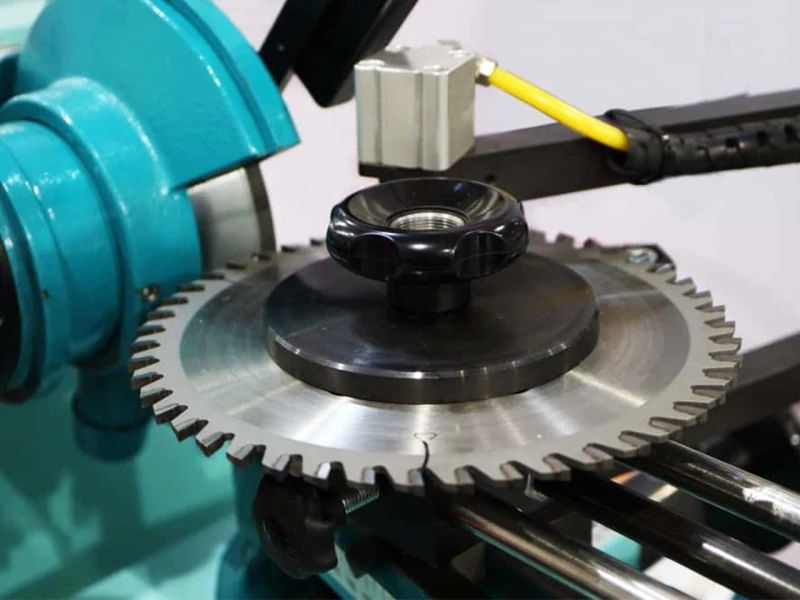
How to sharpen a circular saw blade with diamond wheel
Methods for Sharpening Ordinary Circular Saw Blades with Diamond Grinding Wheels
–Longitudinal‑Traverse Grinding Method
This method consumes relatively low power but delivers excellent grinding quality with low surface roughness. The diamond grinding wheel spins at high speed during work. The worktable carries out combined longitudinal movements. The grinding wheel receives feed compensation in every working cycle, and you grind away all extra material.
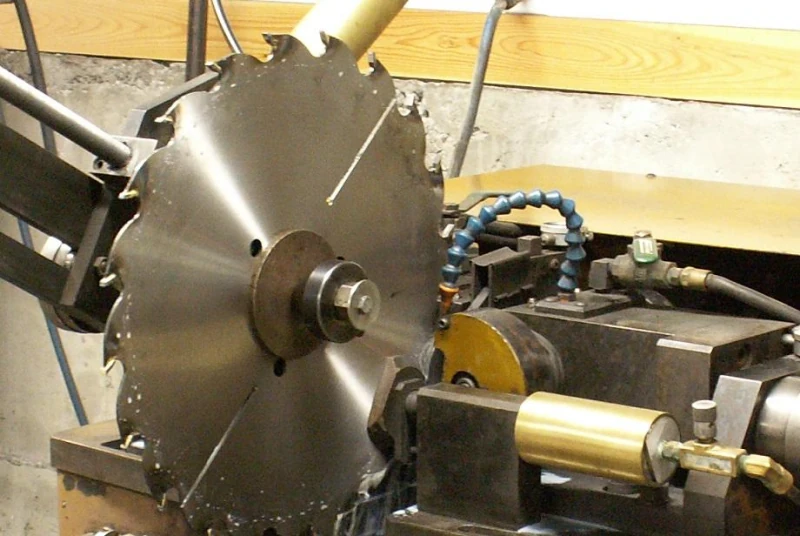
–Plunge‑Cut Grinding Method
People also call it cross‑feed grinding. It works much faster than longitudinal‑traverse grinding. Yet it has clear drawbacks. It creates large grinding force and high heat. You must supply enough coolant liquid while grinding. The diamond grinding wheel provides main rotating power. Movements of the workpiece and grinding wheel create continuous feeding. The worktable makes no longitudinal movement. The diamond grinding wheel has a wide contact surface. It keeps grinding until parts reach the required size.
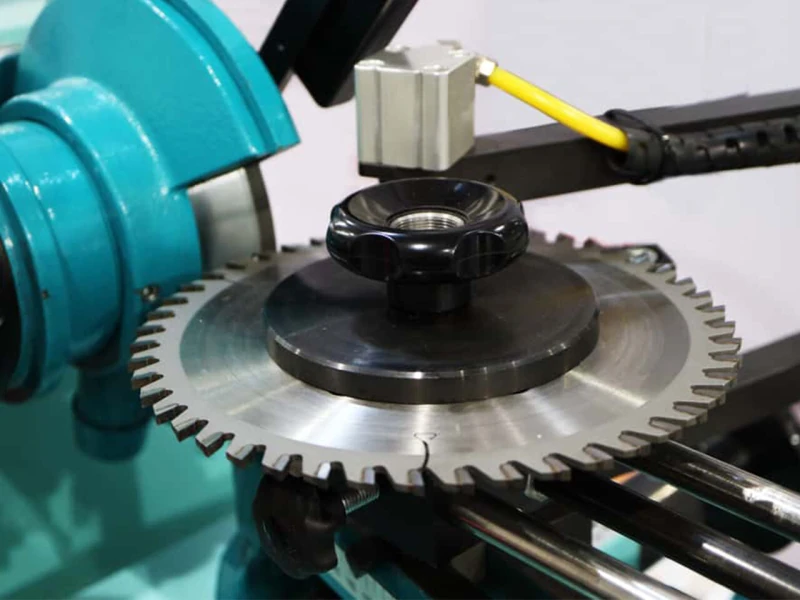
–Combined Compound Grinding Method
This method combines the two techniques mentioned above. Compound grinding brings high working efficiency and good grinding quality with many other advantages. When you grind workpieces, use segmented rough grinding for some sections and finish the rest with the grinding disc.
–Deep‑Cut Creep‑Feed Grinding Method
It achieves high production efficiency. However, wheel dressing is complicated. It sets strict requirements for workpiece structure. You need enough length for wheel entry and exit. The grinding wheel uses a full stepped profile during grinding. The workpiece moves at a very low speed. You use longitudinal‑traverse grinding to remove the remaining grinding allowance.
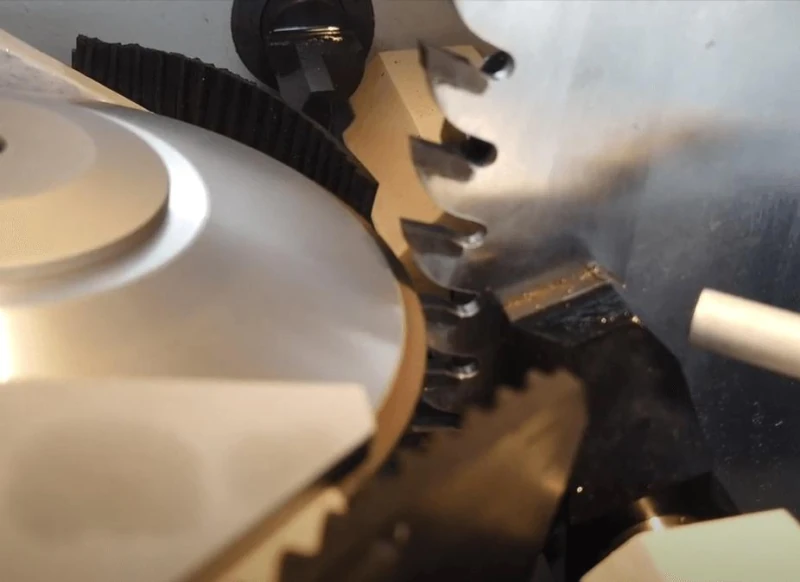
Important Notes for Grinding Diamond Circular Saw Blades
Watch these key factors when you grind Diamond Circular Saw Blades:
-Coolant Liquid
Grinding quality depends heavily on grinding coolant. Grinding produces large amounts of tungsten‑carbide dust and diamond wheel powder. If you do not clean tool surfaces and wheel pores in time, you cannot get smooth ground surfaces. Poor cooling will burn carbide cutting tips.
-Effects of Tooth‑Grinding Mechanism
The sharpening quality of carbide‑tipped circular saw blades relates closely to machine structure and assembly. Two main machine types exist on the market. The first type is German Vollmer‑style vertical grinding machines. They use fully‑controlled hydraulic stepless motion. All feed systems run on V‑shaped guide rails and ball screw rods. Grinding heads or big arms move slowly forward and retract quickly. Clamping cylinders adjust centering positions. Support arms work flexibly and reliably. Tooth‑picking units position teeth accurately. Saw blades sit firmly with automatic centering. Operators adjust grinding angles freely. Coolant flushing works properly with a human‑machine interface. It offers high‑precision grinding with professional design
The second type covers common horizontal machines from Taiwan and Japan. Gear transmission creates mechanical gaps. Dovetail slide blocks have low moving precision. Blade clamping stays unstable. Centering adjustment for support arms proves difficult. Tooth‑picking mechanisms work unreliably. Two side faces and left‑right back angles do not grind around one shared center. You get large position errors, hard‑to‑control angles and heavy mechanical wear. Stable grinding accuracy becomes hard to maintain.
-Welding Influences
Large position errors during carbide tip welding hurt grinding accuracy. One grinding head bears heavy pressure while the other carries light load. The same problem happens for back angles. Welding angle deviation and unavoidable human errors bring non‑ignorable influences on grinding work.
-Quality, Grit Size and Width of Grinding Wheels
Pay attention to wheel grit when you choose wheels for carbide‑tip grinding. Over‑coarse grit leaves scratch marks. Too‑fine grit clogs easily, removes little material and burns cutting tips. Select wheel diameter, width and thickness according to carbide tip size, tooth shape and each working face. You cannot use one fixed‑size wheel for all front‑angle or back‑angle work on different tooth profiles. Always pick wheels with suitable specifications for your task.
-Feed Speed of Grinding Head
Grinding results for carbide saw blades largely depend on grinding‑head feed speed. For standard carbide circular saw blades, keep feed speed between 0.5 mm/s and 6 mm/s. Do not go beyond this range. That means you should grind fewer than 20 teeth each minute. Faster feed speed causes heavy built‑up edges or burnt carbide. The grinding wheel surface turns uneven. Precision drops and you waste wheel material.
-Feed Depth of Grinding Head
Selected wheel grit greatly affects allowed feed depth. Generally choose 180#‑240# grit wheels. You may use 240#‑280# grit only in special cases. Avoid 280#‑320# grit. If you must use fine grit, lower your feed speed.
-Grinding Centering
Center all saw‑blade grinding work around the blade substrate instead of cutting edges. You cannot get correct centering for flat‑face grinding. You also cannot grind good front and back angles only by workpiece centering. Never ignore saw‑blade centering in all three grinding steps. Watch carbide‑tip thickness carefully when grinding side angles. Adjust grinding centers for different tip thickness values. No matter how thick carbide tips are, keep the wheel center line aligned with welding joints during face grinding. Misalignment creates angle errors and weak cutting performance.
-Tooth‑Picking Mechanism
No matter what structure your sharpener has, tooth‑picking pin accuracy directly affects sharpening quality. During machine setup, place tooth‑picking pins on proper tooth surfaces and avoid random rubbing. The tooth‑picking claw must move flexibly and reliably when it retracts.
-Clamping Mechanism
Stable and firm clamping parts are key to good sharpening. Zero looseness can appear during grinding. Loose clamping will cause huge, uncontrolled tooth‑grinding errors.
-Grinding Travel Distance
Grinding‑head travel matters for every ground part of the saw blade. In most cases, let the grinding wheel pass 1 mm beyond the workpiece or retract 1 mm away. Otherwise, you get double‑edged tooth faces.
-Program Selection
Most sharpening machines provide three modes: rough grinding, finish grinding and fine lapping. Choose modes according to your quality requirements. Use finish‑grinding mode when you grind front angles at the final step.
-Substrate Defects: Heavy Deformation, Uneven Thickness and Large Bore Tolerance
If the saw‑blade substrate has built‑in defects such as heavy bending, inconsistent thickness or large inner‑hole tolerance, grinding errors will appear no matter which machine you use. Heavy substrate deformation creates errors on two side angles. Uneven substrate thickness distorts both back angles and front rake angles. When accumulated tolerance grows too large, saw‑blade quality and precision suffer serious damage.
Summary
Four practical diamond‑wheel grinding methods meet different efficiency and quality demands for circular saw‑blade sharpening. Good sharpening results rely on proper coolant, matched grinding‑wheel specifications, reasonable feed parameters and accurate machine adjustment. Controlling these key points prevents blade burning, angle deviation and poor surface finish, and maintains stable cutting performance for Diamond Circular Saw Blades.