-
Blake.Chu sales consultant
-
Email: 113217160@qq.com
-
Phone/WeChat +86 19129108136
How to make knife from diamond circular saw blade
Study on Diamond Circular Saw Blade Segments Made by Combined Electroplating and Powder Metallurgy
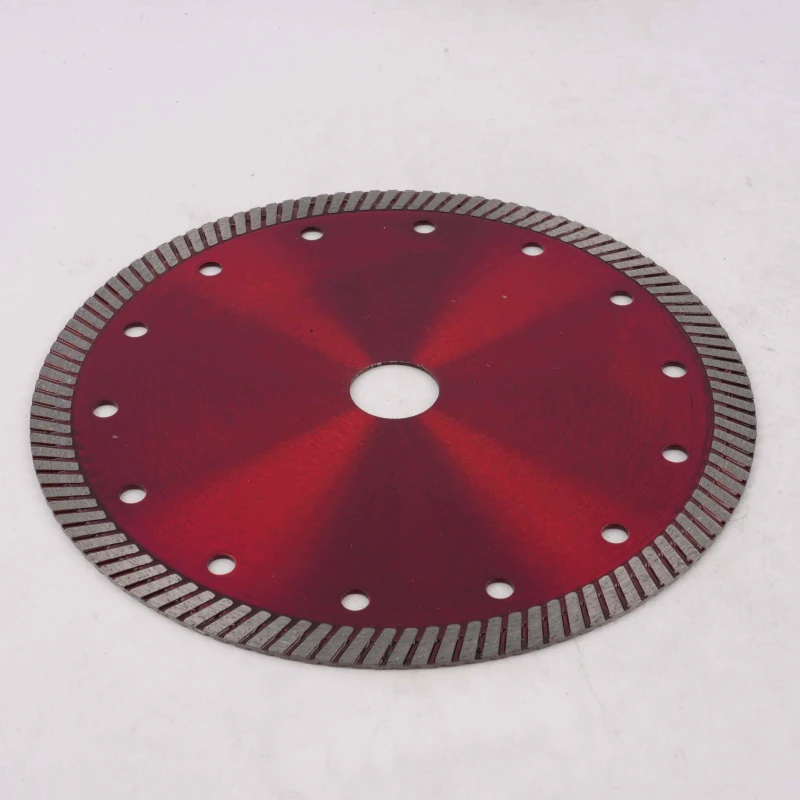
Most manufacturers abroad use powder‑metallurgy pressing processes to produce segments for diamond circular saw blades. This common manufacturing method has several obvious drawbacks.
First, this process requires high‑grade diamond raw materials for segments.
Second, powder‑metallurgy pressing sets strict requirements for metal matrix formulas and production steps. Without proper control, diamond grains easily fall out and cause serious material waste.
Third, high temperature during production creates thermal damage to diamond grains. Damaged diamonds show poor cutting performance for saw blades.
In recent years, researchers carry out many tests to improve segments for hard stone materials. Cutting performance gets some upgrades. However, two major problems remain unsolved. Diamond grains inside segments are not fully used, and production costs stay high. This paper introduces a new method to make diamond circular saw blade segments by combining electroplating and powder metallurgy. It also discusses related key technical points through basic experiments.
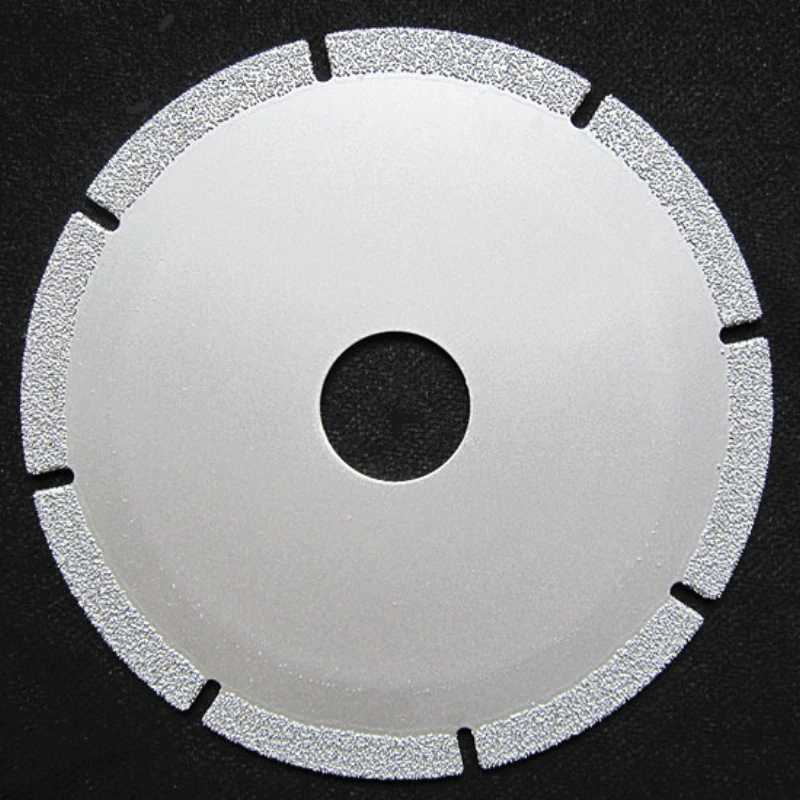
1. Prepare Electroplated Diamond Composite Sheets
Take 1 mm‑thick copper sheets as base substrates. Remove oil and dirt from these sheets and clamp them firmly with special fixtures. The fixtures divide each copper sheet into multiple 24 mm working zones.
Treat the copper sheet as the cathode. Turn on power to deposit nickel metal. Spread diamond grains evenly across the copper surface. Then raise current density to build thicker metal coatings. Stop the operation when most or all diamond grains sit inside the deposited metal layer. Take out the fixture and rinse the sheet with clean water. Peel the finished composite sheet off the copper base. Dry the sheet and set it aside for later assembly.
2. Select Metal Powder and Assemble Molds
Choose different types of metal powders. Take low‑melting‑point copper powder as the main raw material and add low‑cost auxiliary metal powder. Adjust powder types and mixing ratios for different stone workpieces.
The mold size measures 24 mm × 12 mm × 9 mm. Replace traditional abrasive layers with diamond composite sheets. Each composite sheet is 24 mm × 12 mm. Its thickness mainly depends on electroplating time and current density, and it matches the grain size of embedded diamond particles. You can change the stacking number of composite sheets. Use fewer stacked layers for stone with larger crystal grains.
3. Low‑Temperature Sintering and Diamond Thermal‑damage Control
We mainly adopt low‑melting‑point metal powder as bonding material. So you can finish sintering at much lower temperatures than standard powder metallurgy. Lower heat reduces thermal harm to diamond grains. Cold pressing and vacuum sintering are also available for this process.
The electroplating step produces composite sheets without heating diamond grains. Later hot‑press bonding with metal powder uses relatively low temperature. This further protects diamonds from thermal damage.
The electroplated structure holds diamond grains tightly inside segments. You do not need to worry much about diamond oxidation. Low sintering temperature also simplifies the whole production process. Good diamond holding strength comes from electroplating treatment.
4. Cost‑cutting Advantages and Composite Sheet Quality Control
You can use low‑grade Type Ⅱ and Type ⅡⅠ diamond grains for electroplated composite sheets. This greatly cuts production costs for diamond circular saw blade segments.
Electroplated composite sheets supply all working diamond grains for stone cutting. Composite sheet quality directly decides final segment performance. It depends on diamond quality and precise electroplating control.
Electroplating must form fine and dense metal coatings. These coatings lock diamond grains firmly. Good results rely on alloy selection, electric parameters and grain‑adding steps. The grain‑adding step controls diamond concentration inside each sheet. Electroplating supports high diamond concentration, which is one major advantage of this method. We complete cutting tests to set proper diamond concentration for composite sheets with different grain sizes and grades.
5. Interfacial Bonding Performance between Composite Sheets and Metal Binder
Metal powder sintering connects composite sheets with other metal parts. The bonding force between powder layers and composite sheets plays a critical role. It decides whether this new process works and influences actual cutting performance. Test results show that when electroplating buries diamond grains deep inside metal layers, bonding forms between electroplated metal and powder‑metallurgy metal. This joint carries heavy cutting loads reliably.
6. Conclusion
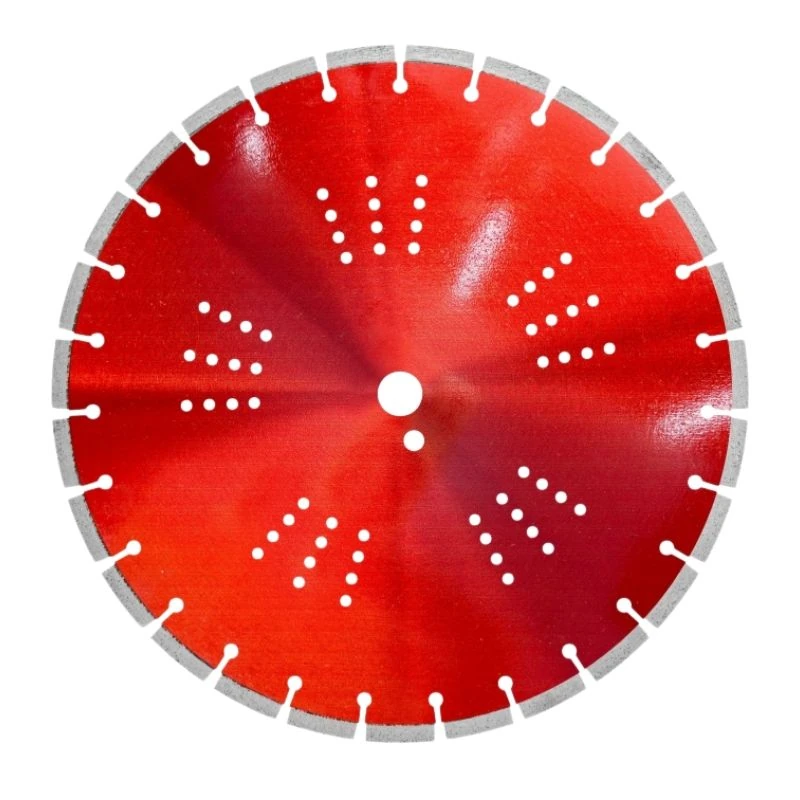
Segments made by this combined process feature low cost and high cutting efficiency. Large‑scale application will bring sound economic returns. Therefore, the combined electroplating and powder‑metallurgy method has good promotion value for manufacturing diamond circular saw blade segments.