-
Blake.Chu sales consultant
-
Email: 113217160@qq.com
-
Phone/WeChat +86 19129108136
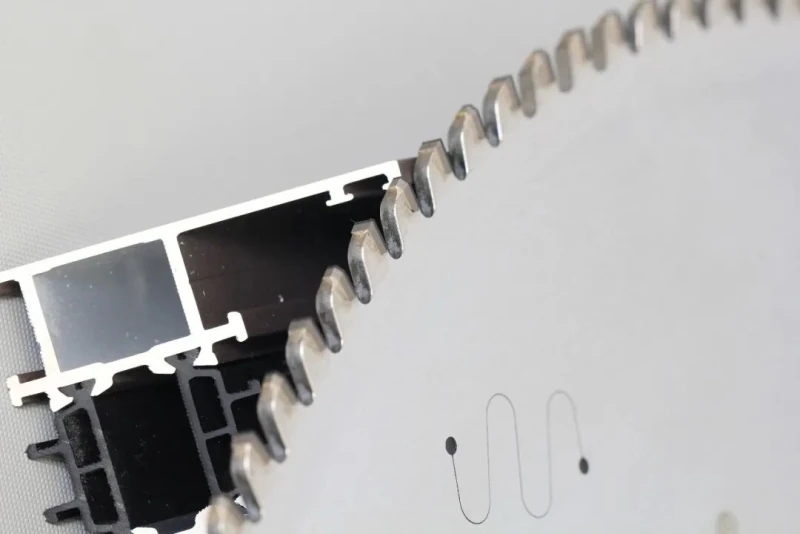
When to replace diamond tile saw blade?
Five Key Signs That Your Diamond Tile Saw Blade Needs Immediate Sharpening
Anyone who does cutting‑processing work knows that a diamond tile saw blade is your most important tool. Its sharpness directly decides cutting efficiency, finished‑product quality, and even operating safety.
However, many workers keep using worn‑out saw blades to meet tight deadlines and cut costs. They think this saves money, but it actually creates real safety risks. Minor problems include rough, burr‑covered cut surfaces that make materials useless. Worse results involve burnt material, chipped edges, or flying broken teeth. These issues damage your machine and put people in physical danger.
diamond tile saw blade, like other cutting tools, are wearing parts. Do not keep using them once you spot signs of wear. Timely sharpening extends service life and keeps good cutting quality as well as safe operation. Below are five clear signals that tell you to stop work and sharpen your saw blade right away. Stop using the saw blade when you notice any one of them.
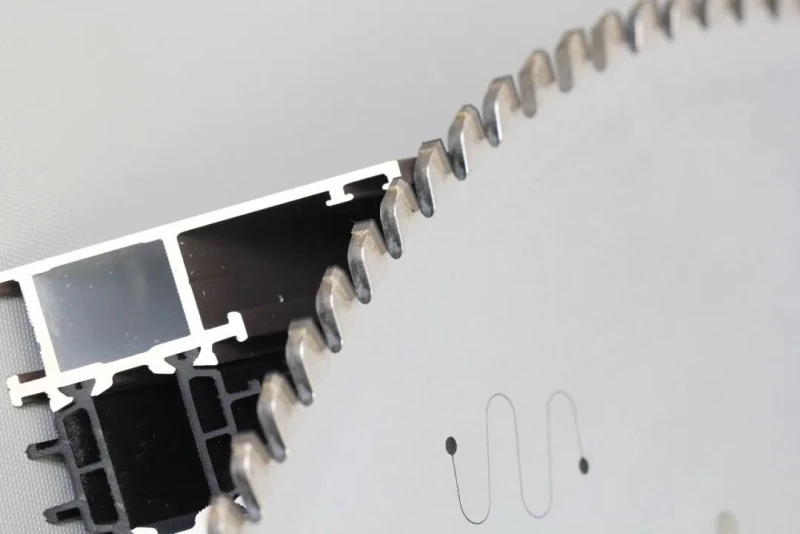
01 .Cut surfaces have heavy burrs and feel rough A sharp saw blade creates smooth, clean cut surfaces with almost no extra burrs.
If every cut leaves rough edges and lots of burrs that need extra polishing, your saw‑blade cutting edge has turned dull. You must sharpen it at once. Do not force the blade to cut with brute force. When the cutting edge loses its sharp state, it cannot slice through material cleanly. Instead, it tears and squeezes the workpiece surface, creating uneven edges and heavy burrs. These rough burrs require extra time‑consuming polishing work after cutting, which lowers your overall working efficiency. Forcing the dull blade to work with brute force will generate excessive friction and heat. This will further damage the saw‑blade edge, speed up wear, and even bring unexpected safety risks during operation.
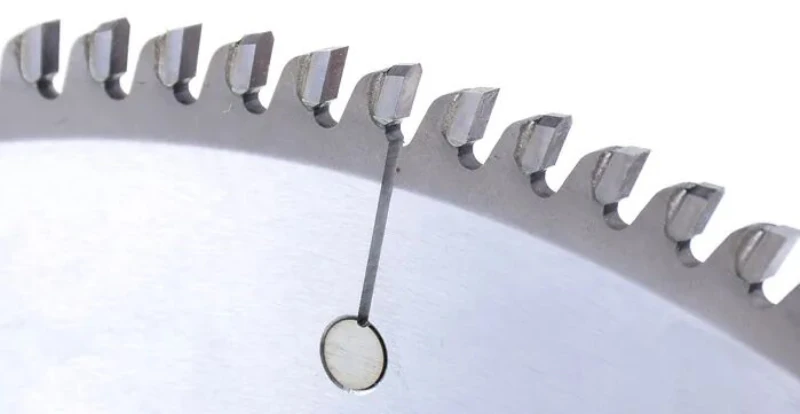
02 Alloy tip wear exceeds 0.2 mm (mandatory sharpening standard)
This is a strict professional rule for alloy saw blades. When alloy tips wear down by more than 0.2 mm, sharpen the blade even if cutting still seems normal. At this wear level, sharpness drops greatly. Continued use speeds up tip damage. Later sharpening becomes much harder, and the saw blade may go to waste completely.
03. Feeding material feels hard, and work pieces show burn marks Your hands tell you a lot during cutting.
If pushing material through suddenly takes much more strength, and you see dark burnt marks on cut areas, the dull blade creates huge friction and high heat. This burns your material. Forced operation ruins work pieces and harms the saw‑blade base, speeding up overall aging.
04 .Diamond Tile saw Blade Loud strange noises happen during cutting
A sharp saw blade running on good equipment makes steady, even sound. When you hear sharp squeals, shaking noise or irregular grinding sounds and you rule out machine failure, uneven blade‑edge wear or unbalanced blades usually cause these problems. Such noise acts as an early warning. Timely sharpening stops small troubles from turning into serious failures.
05 .Stuck, chipped or missing teeth — stop using immediately
This brings the highest safety risk. Never run the saw blade if you see stuck teeth, chipped segments or broken‑off teeth. The worn blade bears uneven force while spinning at high speed. Broken teeth can fly outward and cause severe personal injury. Remove the blade for sharpening or replacement at once. Do not take chances.
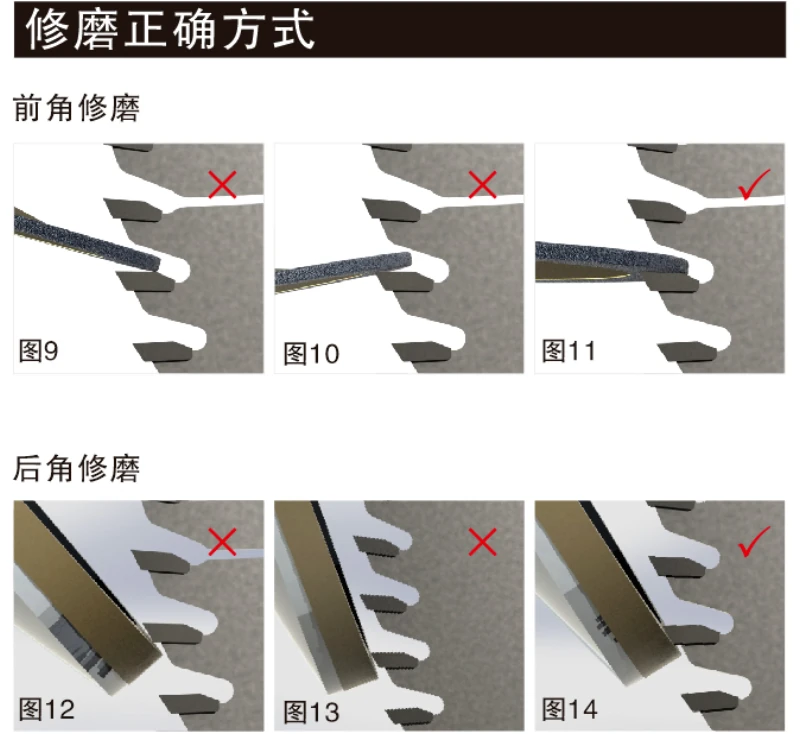
Tips: Ask professional factories to sharpen your saw blades. Standard sharpening restores sharpness and corrects blade balance. It saves you more money and trouble than careless continued use. Always apply proper lubrication and daily maintenance during cutting work. These steps reduce edge wear and lengthen your saw blade’s working life.
Summary
Watch out for these five warning signs of blade wear. Timely professional sharpening and routine maintenance can keep your diamond tile saw blade in good condition, ensure cutting quality, avoid potential safety hazards and maximize the service life of the saw blade.